


 New! Search Engine
 Sobre
Sobre
 Termos
 Privacidade
 Contact
 Invest
Whale Tail Behavior: Understanding the Science Behind the Iconic Dive and Its Emotional Cues
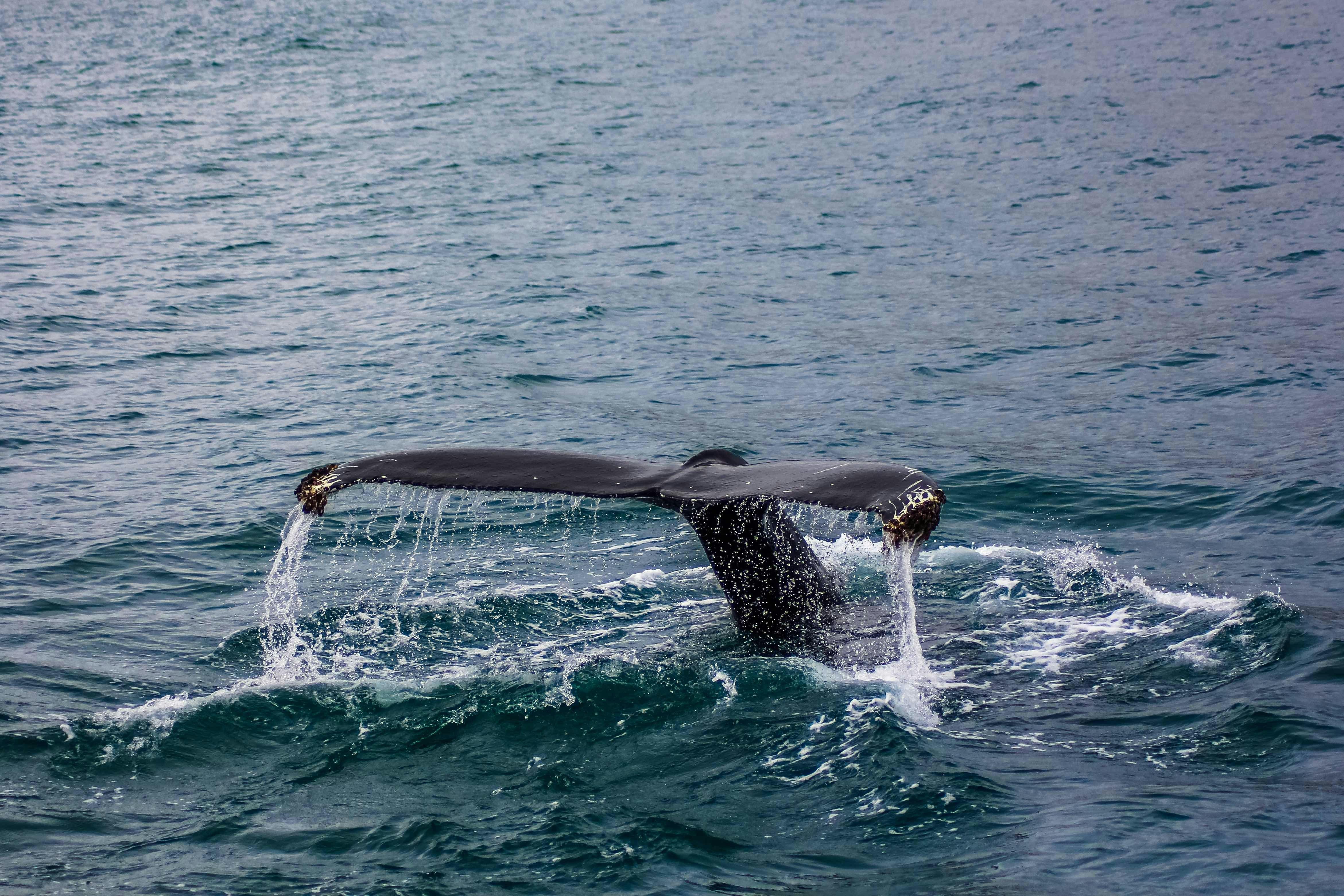
Whale Tail Behavior: Understanding the Science Behind the Iconic Dive and Its Emotional Cues
When a whale raises its tail to dive, it’s as if it’s giving a dramatic curtain call before disappearing into the depths. This graceful maneuver not only captures the imagination of onlookers but also serves as a rich behavior laden with meaning. Much like when we humans throw our arms up in frustration (or excitement), whales communicate a wealth of information through their body language. Studies suggest that approximately 80% of animal communication relies on non-verbal signals, and for whales, their tails are akin to a megaphone saying, "I’m off to deeper waters!"
The act of diving isn't just a spontaneous decision; it often reflects the whale's emotional state and intentions. A raised tail might indicate the animal is preparing for a lengthy descent, chasing prey, or perhaps giving a friend the proverbial “see you later!” Understanding these signals can provide insights into whale social structures and emotional intelligence. For instance, researchers have found intriguing correlations between tail slaps, breaches, and social interactions, indicating that these mammals possess complex emotional lives akin to those found in primates.
But what does this mean for those lucky enough to observe whales in their natural habitats? Here’s where practical guidance comes into play. If you’re planning a whale-watching excursion, being mindful of their behavior can enhance the experience significantly. When a whale begins to show signs of a potential dive, such as arching its back or lingering at the surface, it’s wise to quietly observe rather than rush to photograph. Respecting their space fosters a more trusting environment, which encourages natural behaviors to unfold.
Furthermore, being aware of whale behaviors can enrich our understanding of their welfare needs. For instance, many scientists advocate for the use of boats that minimize noise pollution. Such disruptions can stress the whales, leading to altered behaviors. According to recent studies, loud engine noises can interfere with whale foraging success by as much as 40%. Supporting eco-friendly whale watching initiatives not only benefits these spectacular creatures but can also lead to more fulfilling viewing experiences.
 Portuguese
 Thai
Thai
 English
 French
 Spanish
 Deutsch
 Turkish
 Dutch
Dutch
 Italiano
 Russian