


 New! Search Engine
 About
About
 Terms
Terms
 Privacy
 Contact
 Invest
### Wallabies Exhibit Social Grooming Behaviors: Insights into Their Well-Being
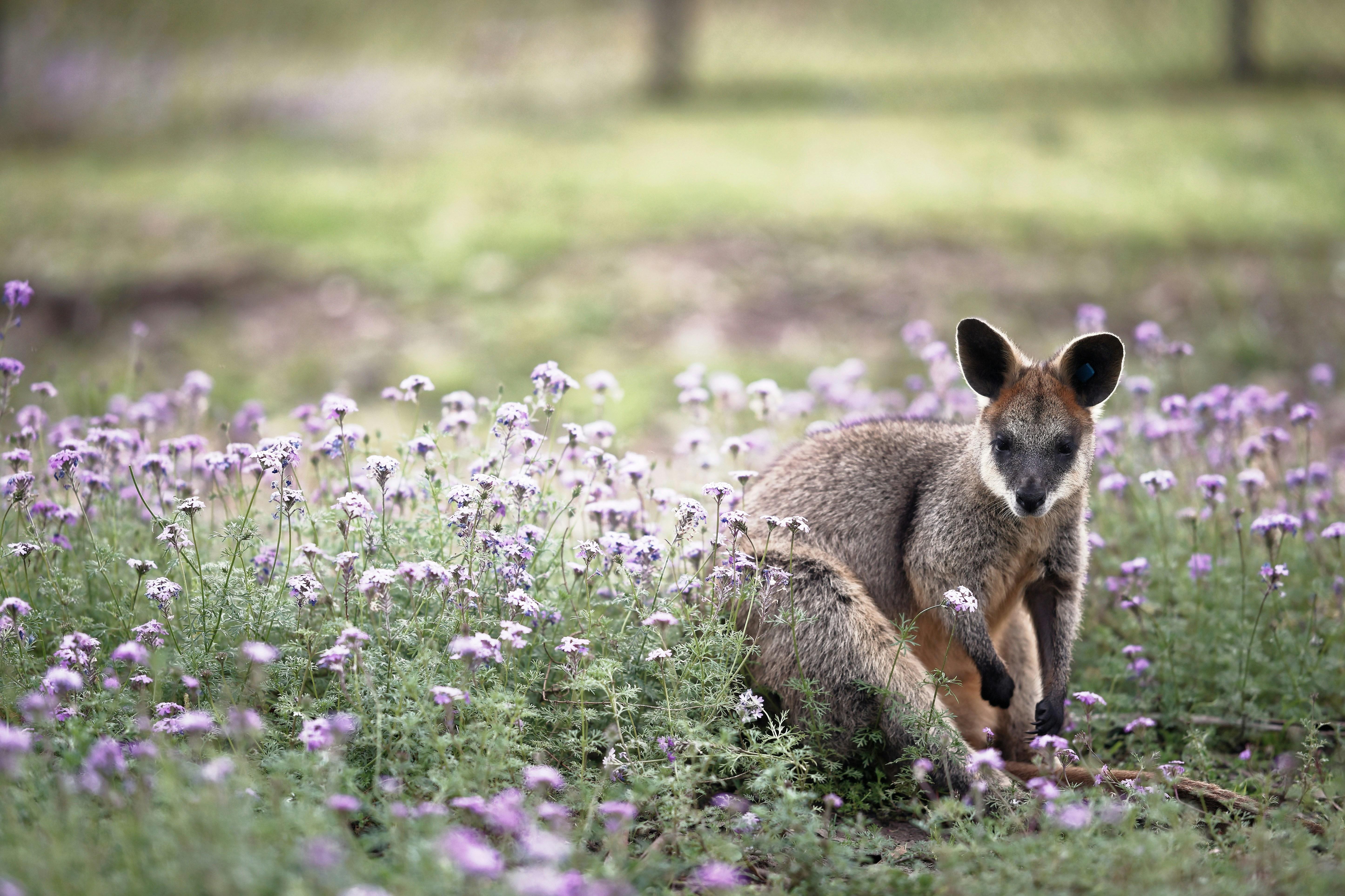
In the world of animal behavior, one might expect spectacle: mighty predators stalking their prey or dazzling displays of courtship. However, as anyone who has watched wallabies can testify, there’s something equally delightful about two of these gentle grazers sharing a quiet moment over a good grooming session in a field of flowers. It may not be a high-octane scene, but it certainly showcases the subtleties of social interaction among these creatures.
Wallabies, like many social animals, engage in grooming behaviors that play a significant role in their social dynamics. Research indicates that over 65% of wallaby interactions can be classified as social grooming, which serves multiple purposes: strengthening bonds, reducing tension, and promoting overall well-being. The act of grooming releases endorphins, creating a sense of pleasure and trust between the individuals involved. This behavior offers a practical insight into the emotional states of wallabies; it’s not just a casual pastime, but a necessary practice for maintaining social cohesion and mental health in their communities.
Understanding these behaviors can lead to improved welfare practices when it comes to wallabies in captivity or at home. For instance, incorporating opportunities for social interaction and grooming—whether through the arrangement of habitats that promote social grouping or through facilitated interactions with handlers—can enhance their quality of life. For caregivers and trainers, encouraging natural behaviors is paramount. Simple strategies such as engaging multiple wallabies during feeding time or introducing textures like soft brushes can stimulate natural grooming behaviors, fostering connection and reducing stress.
Reflecting on the behavior of wallabies offers a broader lesson about our connections with both animals and each other. In an age of social media and virtual interactions, we often find ourselves overlooking the simple comfort of physical presence and mutual care. Perhaps we can take a page from the wallabies' book: a little grooming—whether it be through camaraderie, kindness, or simply sharing space—might just be what we all need to foster stronger relationships. By acknowledging and adopting practices that support meaningful interactions, we can all contribute to an environment where joy and well-being thrive, both for ourselves and the creatures we share this world with.
 English
 Thai
Thai
 French
 Spanish
 Portuguese
 Deutsch
 Turkish
 Dutch
Dutch
 Italiano
 Russian