


 New! Search Engine
 Über
Über
 Bedingungen
 Datenschutz
 Contact
 Invest
### Polar Bear Swimming Efficiency Linked to Habitat Changes: A Behavioral Analysis
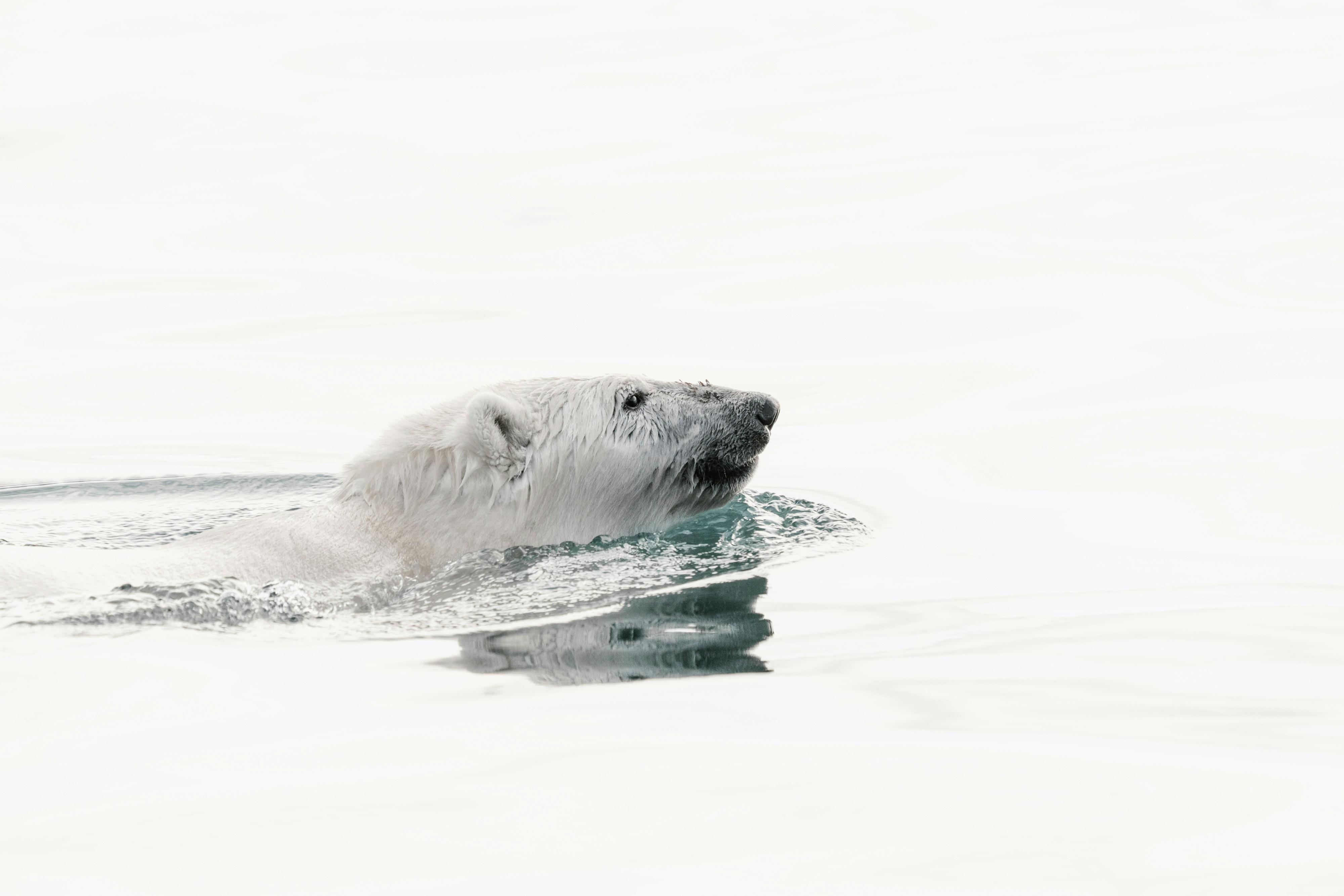
In the icy realms of the Arctic, polar bears are not just the fluffy icons of climate change; they're also surprisingly adept swimmers—just ask any otter who thought they were the only water-loving mammal in town. Recent studies indicate that polar bears can swim continuously for over 60 miles, all while keeping their furry heads high above the frigid waters. This impressive feat showcases not only their remarkable physical abilities but also their intricate behavior in navigating a rapidly changing environment.
Behavioral adaptations in polar bears are critical as their icy habitat faces deterioration. The need to swim longer distances stems from diminishing sea ice, which is essential for hunting seals, their primary prey. Bears must evolve their swimming strategies to maintain their calorie intake as traditional hunting grounds vanish. This increased distance can lead to a drop in successful hunts; studies suggest that around 50% of their swimming attempts may not result in a kill. This statistic highlights a delicate balance: the bears’ necessary adaptation could jeopardize their energy reserves, impacting their overall survival.
To improve the welfare of polar bears in captivity, it’s essential to incorporate behaviors similar to those of their wild counterparts. Enriching the environment where they live is crucial. Aquatic habitats should allow them both opportunities for swimming and engaging in natural hunting behaviors—think of incorporating varying depths and structures resembling ice. This kind of environment enables them to practice their swimming skills and offers mental stimulation, which is equally important for their emotional health.
Training methods that employ positive reinforcement can also enhance the bears’ interactions with their habitats. Encouraging natural behaviors through reward-based systems not only promotes physical activity but also contributes positively to their mental well-being. By acknowledging their remarkable swimming capabilities, caretakers can foster an environment that feels more like their natural territory.
As we reflect on the plight of polar bears, we're reminded of the stark connection between habitat stability and behavioral ecology. It’s essential for us, as observers and caretakers, to recognize the delicate dance of adaptation that these incredible mammals perform in an increasingly unstable world. Each swim, each attempt to find food, is a testament to their resilience and strength. If we can learn from their challenges, perhaps we can swim alongside them toward a more sustainable future. After all, understanding and fostering their natural behavior is not just favorable—it is essential for their survival.
 Deutsch
 Thai
Thai
 English
 French
 Spanish
 Portuguese
 Turkish
 Dutch
Dutch
 Italiano
 Russian