


 New! Search Engine
 About
About
 Termini e Condizioni
 Privacy
 Contact
 Invest
### Black Bears Demonstrate Selective Foraging: A Study in Behavioral Choice
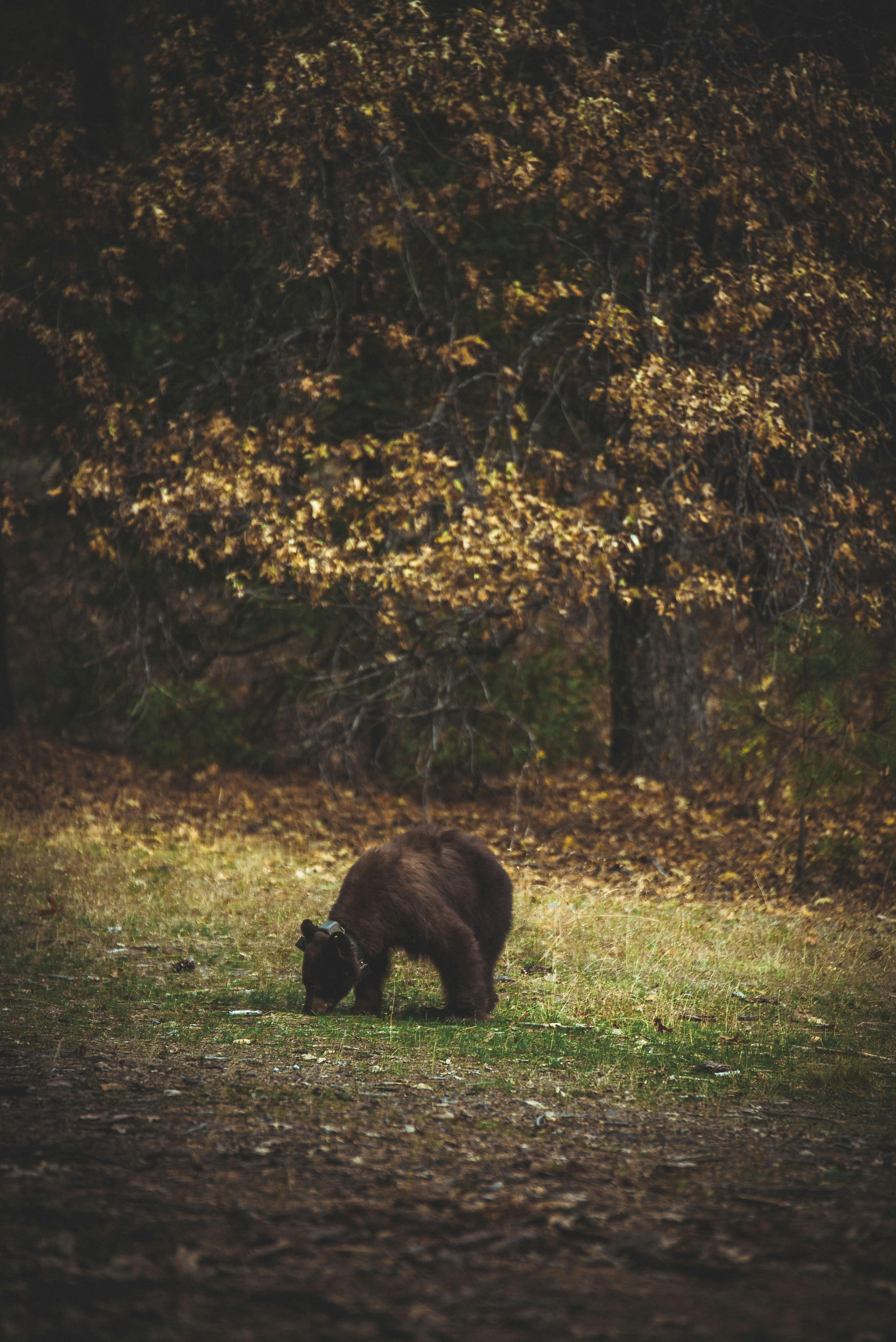
When observing black bears during foraging season, it's easy to imagine them engaging in a high-stakes game of hide-and-seek. While it may look like a leisurely stroll through the woods as they sniff and nuzzle their way through fallen leaves, the reality is that these animals are highly selective consumers.
Recent studies indicate that black bears spend about 35% of their waking hours foraging, meticulously weighing their options before settling down for a feast. This selective behavior minimizes calorie expenditure while maximizing caloric intake, an essential survival strategy in their natural habitat. Understanding this behavior not only illuminates the cunning nature of these mammals but also underscores the importance of their nutritional choices.
Black bears are renowned for their keen sense of smell, which is about seven times stronger than that of a bloodhound. This sensory prowess allows them to locate hidden food sources with impressive efficiency. For those interested in encouraging better foraging behaviors in domesticated animals, consider incorporating variety into their diets. Just as bears benefit from a diverse range of food—berries, roots, and insects—household pets can thrive on a balanced diet that includes both dry and wet food options, as well as the occasional treat to stimulate their senses and keep their appetites keen.
Moreover, the challenges posed by a lack of stimulation or repeated feeding patterns can lead to boredom and, ultimately, behavioral issues. Enrichment techniques, such as hiding treats or using puzzle feeders, mimic the bears' natural foraging process and foster mental engagement for pets. Such approaches can lead to a happier, more well-adjusted animal—mirroring the satisfaction a bear seems to derive from rummaging through fallen leaves.
Reflecting on the bear's foraging behavior provides us with a profound reminder of nature's intricate balance. In a world where convenience often overshadows variety, it’s worth considering how we might elevate the quality of life for our domesticated companions. By creating environments that challenge them and encourage instinctive behaviors, we not only enhance their well-being but also deepen our connection with the natural world. As we see in the black bear's clever selection, thoughtful choices—whether in the wild or at home—can make a world of difference.
 Italiano
 Thai
Thai
 English
 French
 Spanish
 Portuguese
 Deutsch
 Turkish
 Dutch
Dutch
 Russian