


 New! Search Engine
 Sobre
Sobre
 Termos
 Privacidade
 Contact
 Invest
### Macaw Communication: Understanding Body Language in Parrots Reveals 80% of Their Social Interactions
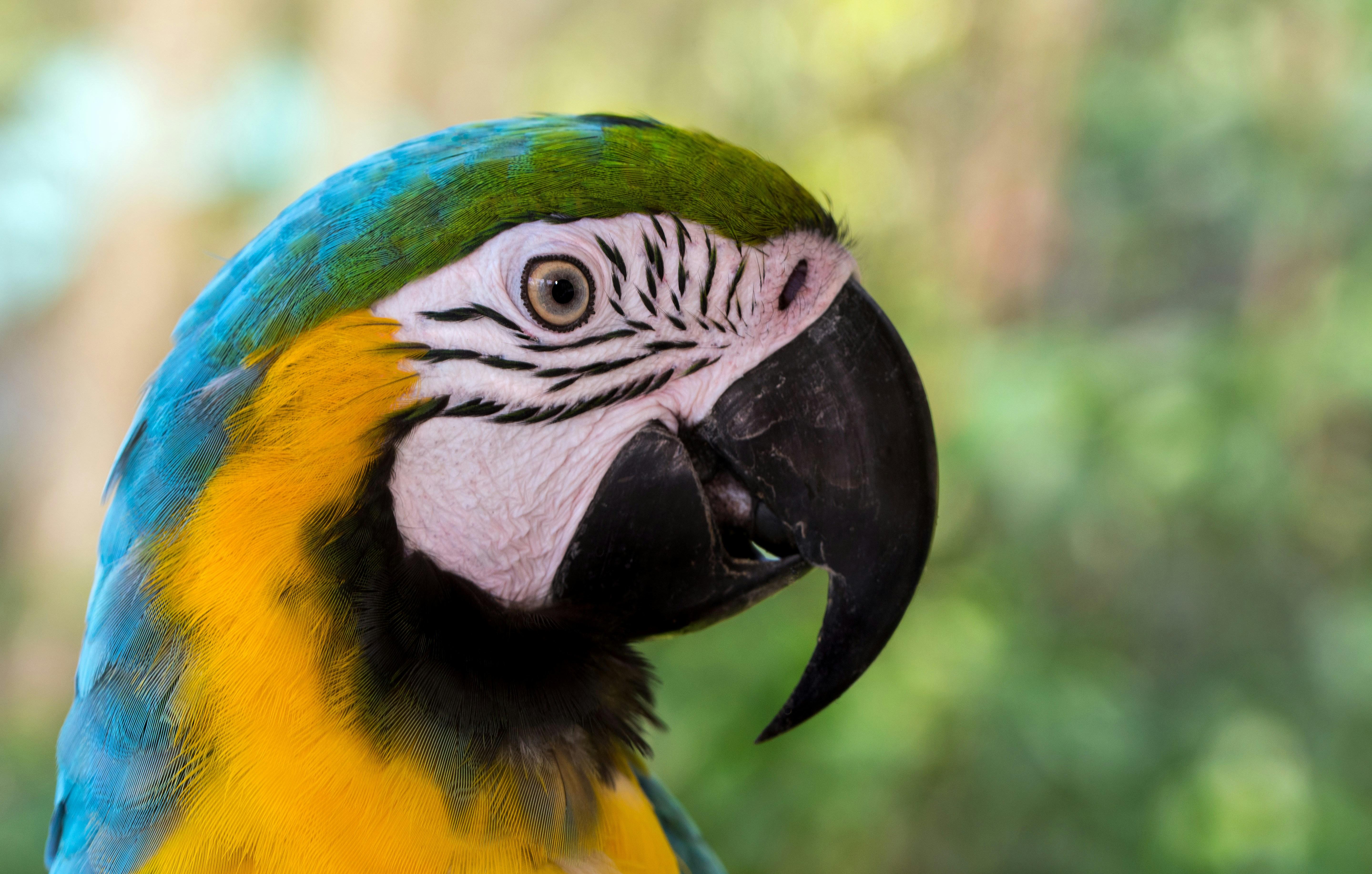
Parrots are well-known for their colorful feathers, impressive mimicking abilities, and an undeniable knack for making us chuckle. Who can resist a bird that can pick up a phrase or two, all while looking like a living rainbow? Yet, while we may focus on their vocal talents, the subtleties of their body language are often overlooked. Surprisingly, research indicates that around 80% of a parrot's social interactions are communicated through their non-verbal cues.
Behavioral interpretation in the avian world is crucial. For instance, a macaw's body position can signify a multitude of emotions, from joy to apathy. When a macaw stands tall with its head up and its feathers puffed out, it may convey confidence and excitement. In contrast, a bird that sits low with its feathers fluffed and its body turned away might be feeling threatened or anxious. Recognizing these signals can be vital for fostering a harmonious relationship between humans and their feathered companions.
To improve your interactions with a macaw or any parrot, consider engaging in training sessions that focus on positive reinforcement. Incorporating simple commands and rewards can help build trust and confidence, as these birds thrive on interaction and mental stimulation. Utilizing their natural behaviors—like foraging—during training can enhance their welfare. For example, hiding treats within toys encourages exploration and problem-solving, allowing your parrot to express its natural instincts in a healthy environment.
As we reflect on the intricacies of parrot behavior, it becomes evident that understanding non-verbal communication is essential in creating a meaningful bond. Each interaction reveals layers of personality and emotional complexity that deserve our attention. In recognizing these nuances, we not only enhance our relationship with our feathered friends but also deepen our appreciation for the richness of their lives. So, next time you chuckle at a macaw's mimicry, take a moment to observe the body language accompanying those sounds; you might just find a whole new dimension of communication waiting to be discovered.
 Portuguese
 Thai
Thai
 English
 French
 Spanish
 Deutsch
 Turkish
 Dutch
Dutch
 Italiano
 Russian