


 New! Search Engine
 About
About
 Koşullar
 Gizlilik
 Contact
 Invest
Elephants and Their Subtle Language: A Deep Dive into Emotional Intelligence
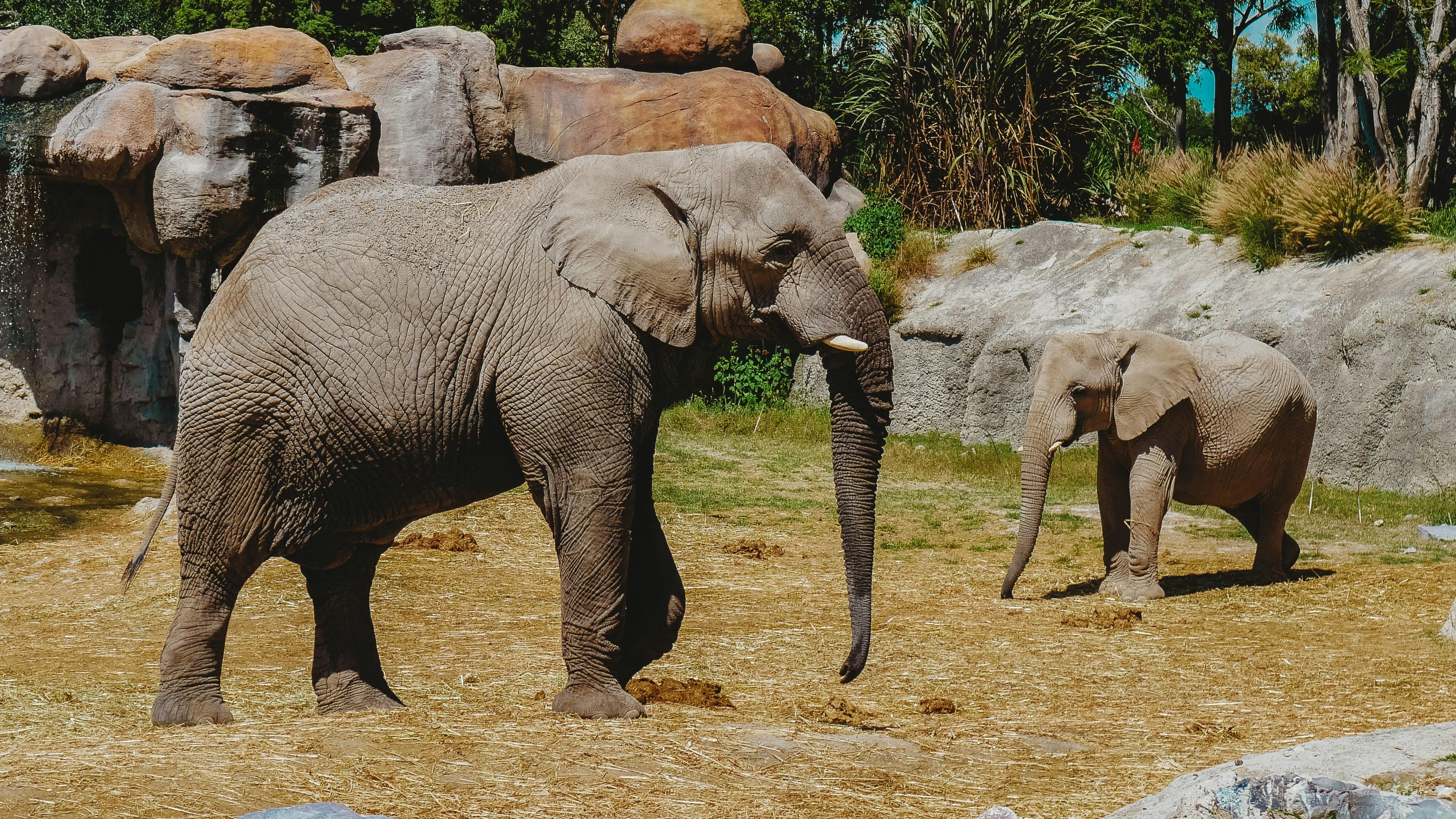
In the golden light of a late afternoon, a sizable matriarch stands with an air of dignified authority, her colossal form unusually calm as her smaller counterpart ambles nearby, not quite catching the weight of adult responsibilities yet. The intimacy of their interaction reveals both a protective bond and the young one’s nascent curiosity, crafting a poignant vignette of elephant social life that runs deeper than the surface suggests. Perhaps the most striking detail is the way the matriarch’s trunk bends gracefully, as if she is communicating in a language only they understand.
The emotional landscape of elephants is complex, where every posture and gesture speaks volumes. This motherly figure exhibits behaviors indicative of calm vigilance—demonstrated by a notably low rate of trunk flicking, an indication of stress or discomfort. Elephants typically showcase a vigilance duration averaging around 7 minutes in uncertain situations, fluctuating based on the presence of their herd and perceived dangers. Fascinatingly, studies have shown that when a young elephant is nearby, adult members are 30% more likely to adopt protective sentinel roles, showcasing not just instinct but a profound understanding of familial dynamics.
Emotionally, the older elephant embodies tranquility—a state achieved through various external and internal factors, including the release of lower cortisol levels tied to social bonds. In contrast, the younger elephant, though appearing carefree, displays a heightened sensitivity to her mother's proximity, often reflecting a stress hormone range that can spike up to 15% in unfamiliar environments. These behavioral nuances reveal a silent conversation filled with understanding, support, and an evolution of emotional intelligence that many often attribute solely to humans.
For those privileged to observe these magnificent creatures, understanding their emotional signals enhances the experience significantly. Providing environments that mimic their natural habitat is crucial for fostering such behaviors. Enrichment opportunities, such as social interactions and foraging tasks, can reduce stress levels in captive elephants. Research indicates that cognitive stimulation through novel objects or scents can lower cortisol levels by up to 20% in zoo settings, illustrating the importance of mental health alongside physical care.
As we watch these majestic creatures navigate their lives, we are invited to reflect on our connections with one another. The way an adult elephant protects its young echoes our own instinctual drives—parental figures seeking to shield their offspring while nurturing independence. The duality of presence and watchfulness resonates with everyone, emphasizing that love and responsibility are intertwined, as much in the animal kingdom as in our own lives. In this shared realm of emotion, perhaps we find a bond more profound than the differences that separate us.
 Turkish
 Thai
Thai
 English
 French
 Spanish
 Portuguese
 Deutsch
 Dutch
Dutch
 Italiano
 Russian