


 New! Search Engine
 About
About
 Terms
Terms
 Privacy
 Contact
 Invest
A Silent Watcher: The Extraordinary Vigilance of the Eurasian Wren
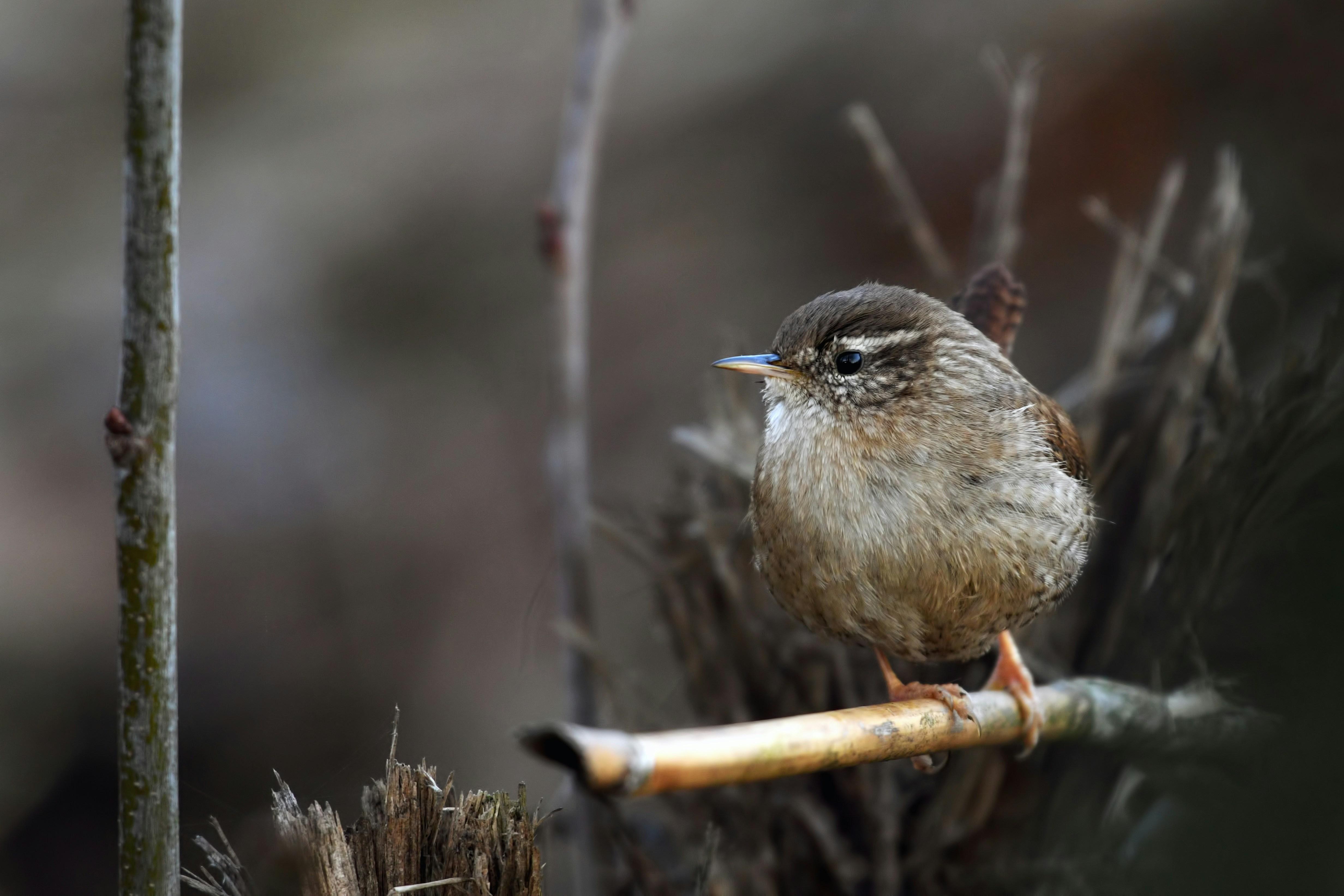
Perched between a whisper of branches and the remnants of a weathered stump, the Eurasian wren seems to embody the essence of cautious observation. In this moment, the tiny bird—smaller than a fist—sits with an unassuming grace, its round body and delicate features masking an acute sense of awareness. Amidst the quiet backdrop of nature, one can almost imagine it contemplating whether it should serenade the dawn or simply bide its time, reflecting the uncertainty that often accompanies decisions made in the face of potential peril.
The wren’s posture suggests not just stillness but a highly attuned awareness of its surroundings. Emotional states in animals are often communicated through body language, and in this case, the wren appears vigilant, a trait that has been documented to be vital for survival. In studies of passerines, or songbirds like the wren, researchers note that the average vigilance duration can reach up to 45 seconds before they resume more active behaviors. This tiny creature can be the quiet sentinel in its habitat, with about 20% of its flock adopting a watchful position while others forage or sing. Such a strategy allows them to balance the risks of predator exposure with the necessities of nourishment—a balancing act that is at once simple and profound.
For bird enthusiasts observing wren behavior, recognizing these subtleties can transform a casual glimpse into an awe-inspiring understanding of avian life. A scholarly examination might reveal that when wrens feel threatened, their stress hormone levels—measured through corticosterone—can fluctuate significantly, often indicating acute stress responses that affect their foraging efficiency. On average, these birds will alter their feeding habits, exhibiting shifts in attention every 1.5 to 3 minutes, seeking safety while still striving to fulfill their dietary needs.
If you find yourself in the company of these spirited little birds, consider fostering an environment conducive to their natural behavior. Planting native shrubs can create protective cover, reducing stress and encouraging their characteristic singing and foraging. Studies have shown that environments that include multiple layers of vegetation can increase foraging efficiency by up to 30%, underscoring the importance of habitat complexity in avian welfare.
As we observe the wren in its silent pursuit of both sustenance and safety, we might reflect on our own experiences of vigilance and the delicate choices we make in our lives. In a world characterized by noise and chaos, the wren's momentary stillness speaks to our shared human yearning for security and understanding. Perhaps, like the wren, we too need to find our perches of calm amidst the turmoil, allowing us moments of clarity to embrace the world around us with open hearts and watchful eyes.
 English
 Thai
Thai
 French
 Spanish
 Portuguese
 Deutsch
 Turkish
 Dutch
Dutch
 Italiano
 Russian