


 New! Search Engine
 Environ
 Conditions générale de vente
 Confidentialité
 Contact
 Invest
Title
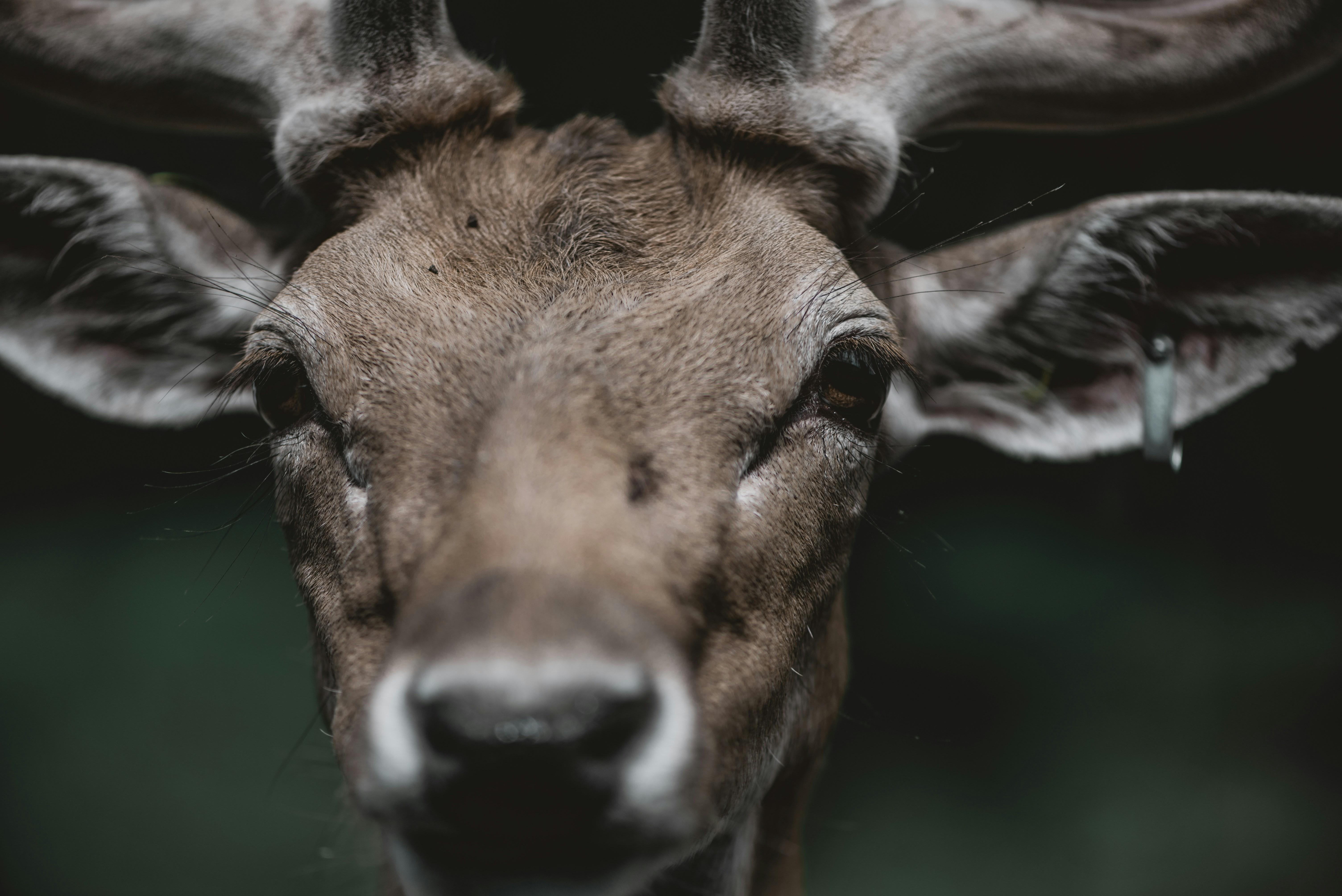
In the Eye of the Beholder: Insights into the Alertness of Deer Amidst the Wild
Article
In the soft light of dawn, a curious deer focuses intently, as if pondering the mysteries of existence or perhaps just deciding whether to nibble on that intriguing blade of grass. The way it remains perfectly still, the faint twitch of its ears indicating a heightened vigilance, brings a wry smile—who knew deer could out-pose a seasoned Instagram influencer? Yet, beneath the delicate beauty of this magnificent creature lies a complex world of instinct and survival.
The deer's seemingly tranquil gaze is a fascinating indicator of its emotional state. This animal is not just observing; it is on high alert, a necessary adaptation in the ever-perilous dance of life in the wild. Research shows that deer can exhibit an average vigilance duration of up to 60% during peak foraging times. While they munch on foliage, an impressive 40% of the herd often assumes sentinel roles, keeping watch for potential threats. This remarkable behavior allows them to maximize feeding time without sacrificing safety—a profound example of instinctual teamwork that balances pleasure and caution in their everyday lives.
Understanding this alertness can unlock new dimensions in wildlife management and conservation efforts. For instance, it is crucial to consider how human encroachment impacts their natural habits. When deer perceive humans as a threat, their stress hormone levels can rise, leading to fluctuations ranging between 25% to 50% above normal levels. With this insight, land managers can use fencing, natural barriers, or specially designed wildlife corridors to protect these noble creatures, allowing them to maintain their instinctual behaviors with less disruption.
So, what can we glean from this blend of awareness and vulnerability? For those fortunate enough to observe wildlife, respecting their space is not just a nicety but a vital practice for both animal welfare and ecosystem health. Maintaining a distance of at least 100 yards minimizes stress in many species. Research indicates that a calm deer is more likely to thrive, breeding more successfully and contributing to a stable population. Simple actions like this can create ripples of change in wildlife conservation, illustrating the profound impact of human behavior on natural relatives.
As we watch this deer, standing sentinel against the backdrop of uncertainty, we are reminded that its vigilance marries grace with an unyielding instinct for survival. In its watchful eye, we find a reflection of our own struggles with anxiety and awareness, tethered between the comfort of the known and the unpredictability of life. There is a poetic reminder that sometimes being still is the bravest stance of all, a poignant truth as we navigate the complexities of our existence.
 French
 Thai
Thai
 English
 Spanish
 Portuguese
 Deutsch
 Turkish
 Dutch
Dutch
 Italiano
 Russian