


 New! Search Engine
 About
About
 Voorwaarden
 Privacy
 Contact
 Invest
Hummingbird Vigilance: How Tiny Wonders Maintain Focus in a Chaotic World
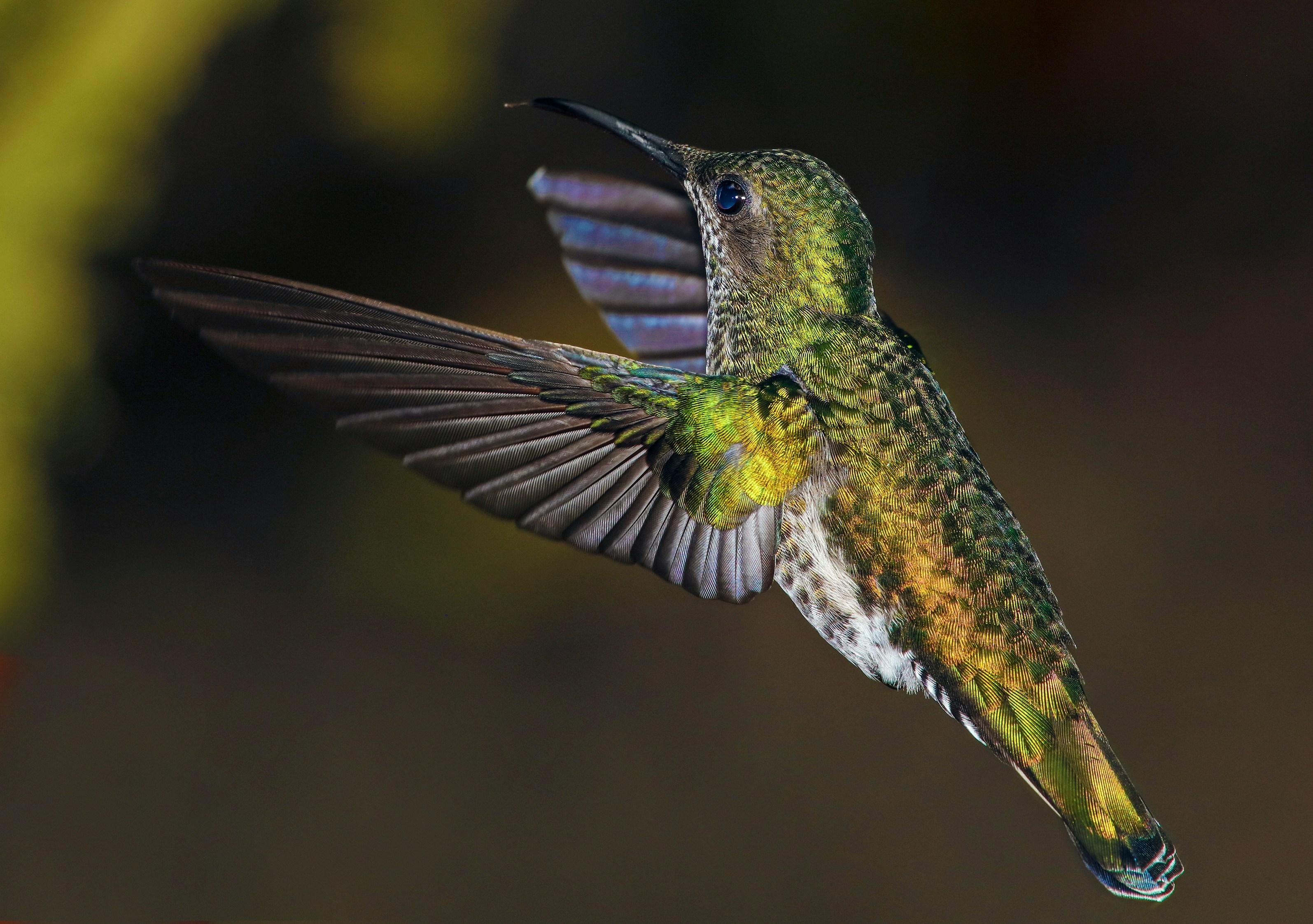
In the midst of dazzling flora and buzzing life, a hummingbird hovers, poised with an unparalleled stillness that belies its frenetic nature. With wings beating at nearly 70 times per second, it presents a conundrum: how can something so small demonstrate such intense focus in an environment so rich with distractions? This bird, with iridescent plumage glinting in the sunlight, seems to defy the laws of physics while revealing the nuances of its remarkable vigilance.
Vigilance in hummingbirds is a product of their high-stakes existence, where every moment counts and every flower offers a fleeting opportunity. These minute creatures allocate approximately 60% of their waking hours to intense foraging, meticulously transitioning between blossoms in search of nectar. Yet, amidst their relentless pursuit, they display a fascinating behavioral quirk known as "hover watch." During these brief pauses, they spend an average of 3.2 seconds per visit, a testimony to their ability to balance feeding and environmental awareness. In this state, their heart rates soar to 1,200 beats per minute, preparing them for any potential threat while keeping a keen eye on rivals or predators.
Moreover, research indicates that about 27% of their time involves wary scanning of the environment—such a high percentage is rare among avian species. This dual focus on feeding and vigilance speaks volumes about the delicate balance between survival and sustenance in the avian world. Keeping predators at bay while managing energetic costs is a constant juggle, yet the hummingbird's remarkably adaptive psychology shines through the chaos of its vivid world.
For those keen on nurturing urban green spaces to attract these wonders, the insights gleaned from their behaviors can be invaluable. Planting nectar-rich flowers that bloom sequentially throughout the seasons can provide a continuous buffet for these birds, offering plants such as bee balm and salvia for optimal feeding. Moreover, creating a peaceful, low-stress environment—keeping pets indoors and minimizing sudden noises—can encourage visitation and allow a hummingbird's natural behaviors to flourish. It’s noted that environments fostering fewer disturbances can increase feeding rates by up to 30%, enhancing the chances of observing their fascinating foraging strategies up close.
As we reflect on the life of a hummingbird, we uncover a relationship between its frenetic energy and the serene pauses of life that all beings share. Each hover, each scan for danger, encapsulates the essence of being fully present amidst the unknown. In its delicate dance, we are reminded that sometimes it is in stillness that we find clarity, and in vigilance that we uncover the beauty of life’s fleeting moments.
 Dutch
Dutch
 Thai
Thai
 English
 French
 Spanish
 Portuguese
 Deutsch
 Turkish
 Italiano
 Russian