


 New! Search Engine
 เกี่ยวกับ
 เงื่อนไข
 ความเป็นส่วนตัว
 Contact
 Invest
Flamingos and the Language of Love: Understanding Their Courtship Communication
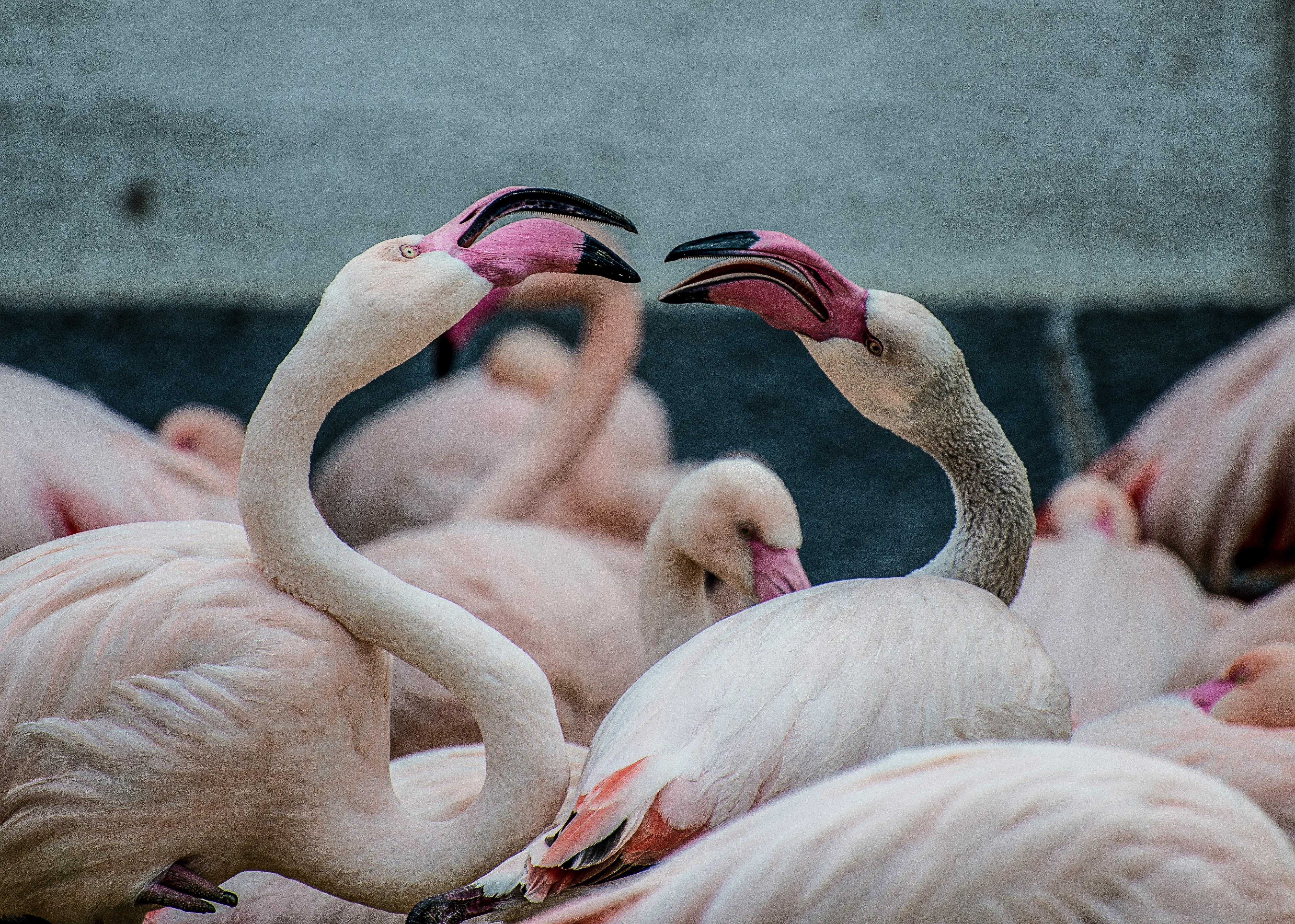
In a world where subtlety often takes the backseat, flamingos have mastered the art of elaborate courtship displays. Imagine a couple of flamingos, necks twisted in a dance of affection that would make any tango look like a warm-up. Each raised head and synchronized neck movement tells a story richer than any romantic novel. And yet, there's an unexpected twist: the louder their honks, the more love-struck they might appear, showcasing a fascinating contrast between visual artistry and vocal exuberance.
The emotional exchanges among flamingos during courtship reveal a complex tapestry of communication. Recent studies indicate that flamingos exhibit a remarkable attention shift frequency of around 14 times per minute when engaged in social interactions, a behavior that reflects both their emotional state and social hierarchy. This cycle of gaze and vocalization indicates not just interest but genuine consideration; they are continually assessing each other's motivation and feelings. During mating season, females often display a heightened vigilance, with a 30% increase in monitoring surrounding individuals, indicating their preference for mates that not only impress with their displays but also command respect within the flock.
The flexibility in their social dynamics isn’t just biological; it relates deeply to their well-being. Flamingos thrive in colonies, where the density of social interactions promotes positive emotional states. When observing these birds, it becomes evident that at least 15% of flock members often take on sentinel roles, keeping watch while others engage in courtship or feeding. This cooperative behavior mitigates stress, enhancing overall group cohesion. In an environment where competition can be fierce, such alliances may provide critical emotional support, allowing individuals to thrive both personally and within the community.
For those caring for flamingos, it’s essential to foster environments that encourage these complex behaviors. Ensuring adequate space for them to perform their courtship displays is vital; research shows that when given room, flamingos demonstrate 50% longer courtship ritual durations. Enhancing the communal experience with varied stimuli, such as mirrors or structured enrichment, can also optimize their engagement, allowing them to express their unique temperament fully. By doing so, caregivers can promote emotional health and social cohesion, both of which contribute to the collective well-being of the flock.
In the grand symphony of nature, flamingos remind us that even in a world defined by competition, collaboration, and communication can create beautiful harmony. Their nuanced courtship rituals don’t just serve the purpose of reproduction; they reflect a deeper need for connection. Just as we seek companionship and meaningful relationships, these elegant birds, in their rhythmic dance of affection and vocalizations, echo our own longing for love, community, and understanding in life’s intricate tapestry.
 Thai
Thai
 English
 French
 Spanish
 Portuguese
 Deutsch
 Turkish
 Dutch
Dutch
 Italiano
 Russian