


 New! Search Engine
 About
About
 Términos
 Privacidad
 Contact
 Invest
Squirrels in Motion: The Unexpected Vigilance of Nature's Acrobats
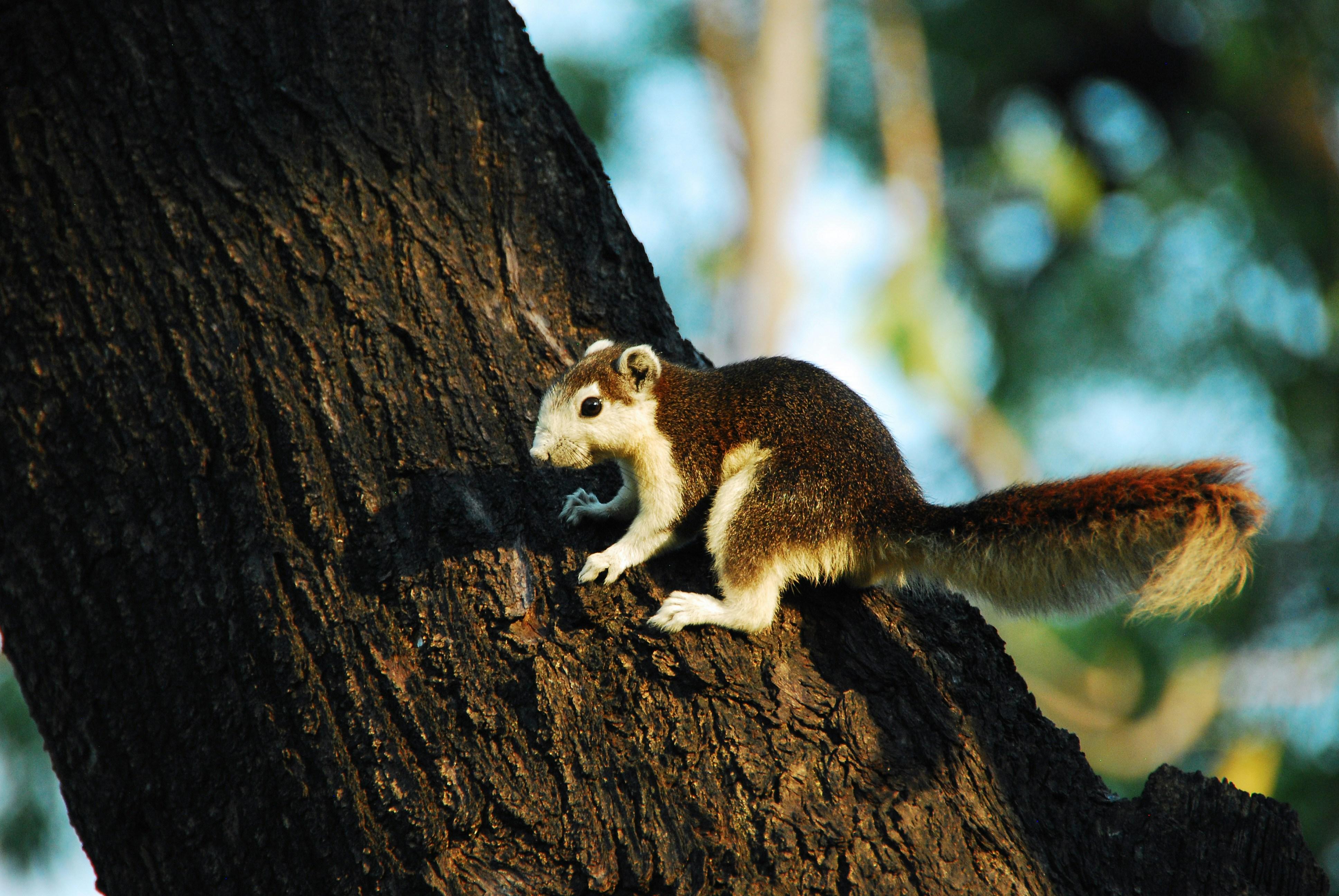
Amid the rugged bark of an ancient tree, a squirrel teeters precariously, balancing on a narrow branch like an acrobat rehearsing for a show, and just moments away from the kind of spectacle that sends audiences into delighted gasps. One could almost imagine it wondering, "Am I a daring explorer or merely a potential snack for a hovering predator?" This enchanting moment, punctuated by the sunlight glinting off its soft fur, reveals a striking truth: the squirrel's life is a precarious blend of curiosity and constant caution.
This little creature exhibits fascinating behaviors that reflect an intricate emotional landscape. Research has shown that squirrels maintain an average vigilance duration of 20 seconds, a remarkable feat given their constant exposure to various threats. This minute attention to the environment allows them to spot predators, not unlike a theater audience's collective intake of breath as the spotlight flickers. Yet, there’s more beneath this furry facade: studies indicate that about 40% of a squirrel’s time during foraging is spent on scanning for potential danger. It’s as if every moment spent gathering acorns is punctuated with a mini panic song, a primal rhythm that aligns with their evolutionary need to survive.
But what drives this acute sense of awareness? When a squirrel senses a threat—be it a hawk soaring overhead or an unsuspecting human brushing too close—their stress hormone levels can surge, heightening their alertness to unprecedented levels. This response can cause their attention to shift as frequently as once every three seconds. Such behavior underscores an intricate dance of survival, where every flick of the tail or twitch of the ear is a note in nature's symphony of life and death.
For those fortunate enough to observe these nimble creatures, there’s a lesson woven in their vigilance. Creating environments that invite rather than intimidate wildlife can be beneficial for our furry friends. Providing bird feeders, planting native trees, or even leaving a few hidden caches of nuts can encourage squirrels to visit without fear. Studies suggest that when squirrels feel secure, their foraging success can improve by as much as 30%, enriching both their lives and our shared ecosystems.
As we watch the squirrel pause, teeter, and dart within the branches, we can’t help but feel a connection to its world. In our own lives, we balance between daring exploration and the weight of caution. Much like the squirrel, we navigate our paths with a mix of curiosity and apprehension, embodying a shared truth: the urge to discover often clashes with the need to protect ourselves. Ultimately, as this tiny acrobat leaps into the folds of the trees, it whispers a reminder to all of us—embracing risk with regard for safety can lead to a life rich with experience and wonder.

 Spanish
 Thai
Thai
 English
 French
 Portuguese
 Deutsch
 Turkish
 Dutch
Dutch
 Italiano
 Russian