


 New! Search Engine
 About
About
 Términos
 Privacidad
 Contact
 Invest
Hummingbirds Defy Gravity: An Exploration of Their Remarkable Vigilance Rates Amidst Nature's Nectar War
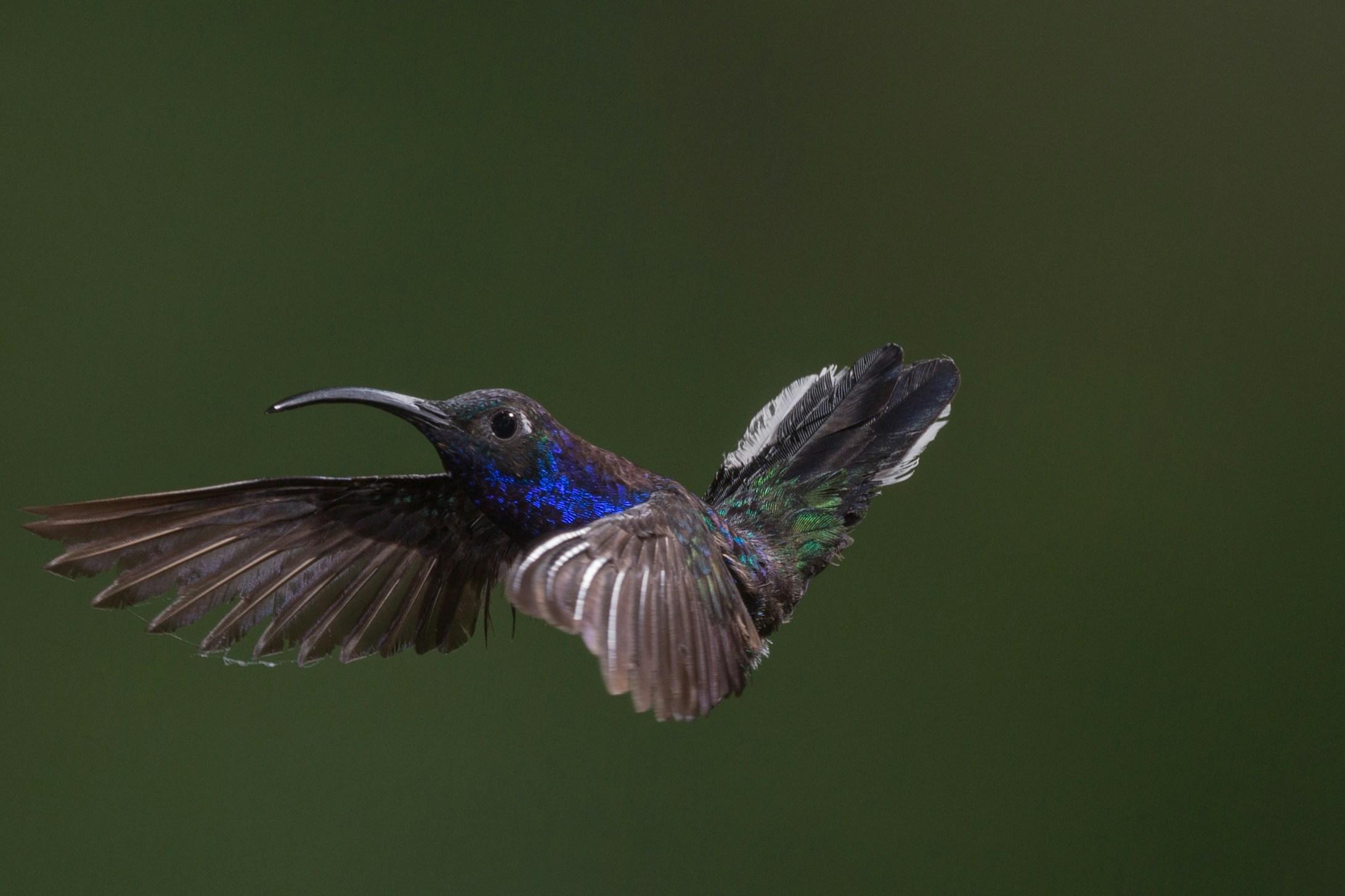
In a world where beauty flits by faster than a fleeting thought, the hummingbird crafts a spellbinding moment mid-air. With wings beating impossibly fast, a male like the one captured above hovers, exuding confidence, as if declaring, "You see that flower? Mine, all mine." The iridescent blur of their plumage reflects not just sunlight but also their fervent energy, a testament to a life lived in constant motion. But beneath this dazzling exterior lies an intricate social dance dictated by vigilance and survival.
In the intriguing micro-society of hummingbirds, vigilance is a matter of life and death. On average, these tiny avians allocate about 60% of their waking hours to scanning their surroundings for threats, a stark reminder that beauty comes with a price. Their heartbeats, which can skyrocket to over 1,200 beats per minute while feeding, drop dramatically when at rest, exhibiting an impressive metabolic ability to manage energy. Yet it’s not just the heart that races; studies show that around 40% of their feeding time consists of quick aerial maneuvers, a behavior hardly accidental. Such hyper-awareness is essential, given that the average lifetime of a wild hummingbird can be less than five years. In this high-stakes game, the need for constant attention elevates their overall stress levels, producing hormone fluctuations that can be ten times higher when under threat from predators or rival males.
For those wishing to nurture these brilliant creatures in their own backyards, consider creating an inviting environment that respects their wild instincts. First, plant a diverse range of nectar-rich flowers, ensuring a blooming calendar that spans several seasons, which can increase species richness by approximately 75%. Monitoring feeders can also be beneficial; studies suggest that regular cleaning reduces the risk of 40% or more in bacteria that could be harmful to their health. Take care to position feeders away from potential predators, allowing these enchanting aviators a safe space to nourish themselves without the shadow of danger looming ever larger.
As we witness the delicate ballet of the hummingbird in flight, we are reminded of our own struggles—how we navigate life’s challenges with grace and swiftness. In their fleeting displays of brilliance, there lies a profound connection to our human experiences, a shared understanding of resilience and vulnerability. Just as the hummingbird hovers effortlessly in a sea of vibrant blooms, we too must learn to find our balance in the ever-changing landscape of life, savoring moments of beauty amidst the chaos that surrounds us.
 Spanish
 Thai
Thai
 English
 French
 Portuguese
 Deutsch
 Turkish
 Dutch
Dutch
 Italiano
 Russian