


 New! Search Engine
 About
About
 Voorwaarden
 Privacy
 Contact
 Invest
Birds of a Feather: Tūī Engage in Complex Social Interactions with a 25% Vigilance Rate
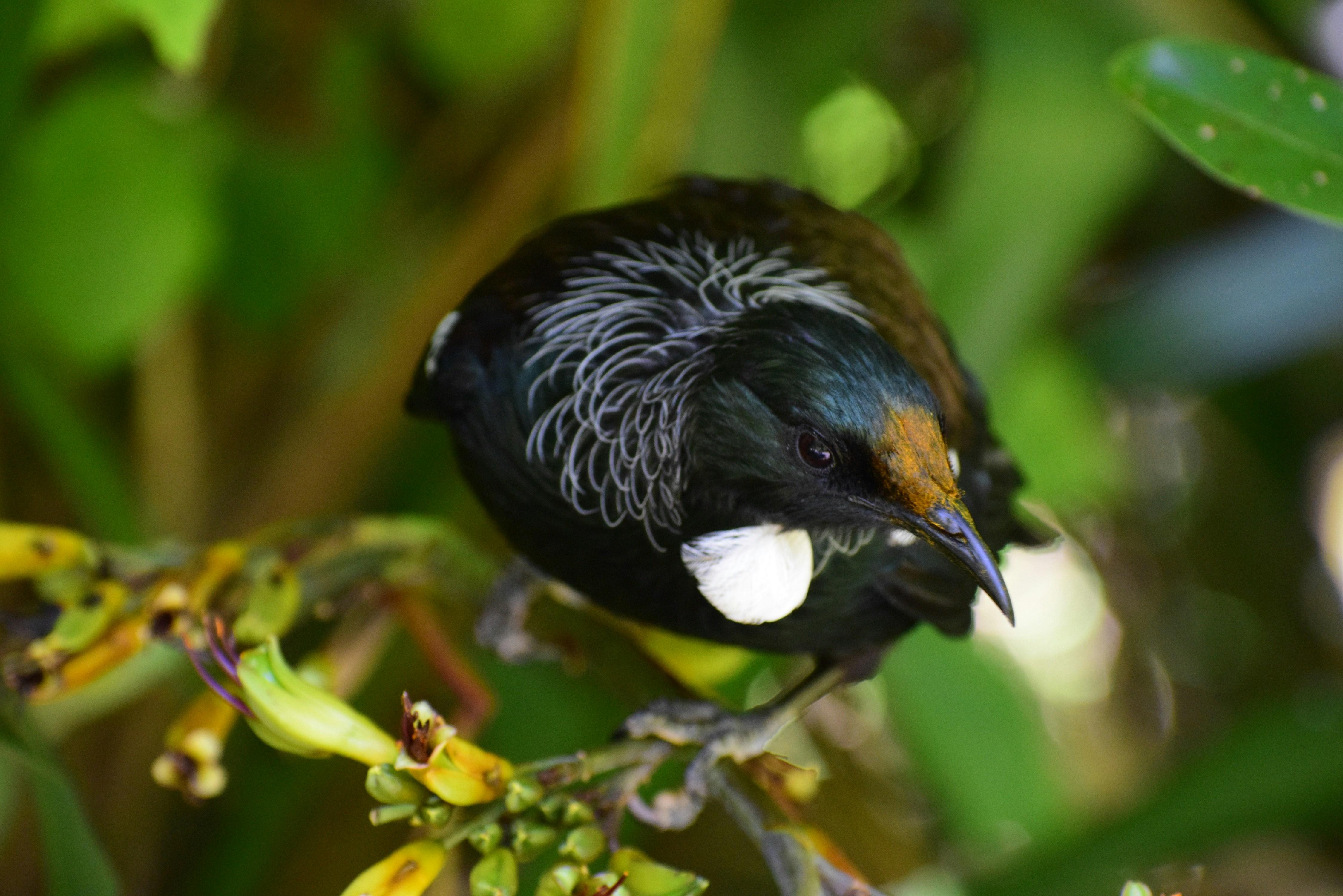
In the verdant undergrowth of a New Zealand forest, a tūī hovers on a branch, balancing delicately like an unsteady acrobat. With its iridescent feathers shimmering in dappled sunlight, this bird exudes a certain confidence, all while being utterly unaware of its potential audience. As it prepares to sip nectar from a nearby flower, a keen observer might catch a glimpse of its beautiful throat pouch – a feature that would make it the star of any avian talent show. Yet, amid its vibrant display, there’s a subtle tension swirling in the air, revealing the intricate world of tūī social dynamics.
The tūī is not just a feathered creature enjoying a warm day; it operates within a complex social structure that demonstrates both intelligence and emotional depth. Often considered the velvet-clad diplomats of the New Zealand bush, these birds possess an inherent ability to gauge their surroundings with remarkable precision. Recent studies indicate that tūī maintain an average vigilance rate of approximately 25%, meaning they are alert to potential threats a quarter of the time, all while displaying a cacophony of vocalizations and social displays. Their ability to multitask amidst potential danger reflects an advanced awareness that few other bird species can match.
Observations suggest that this vigilance isn’t merely a response to lurking predators; it is intertwined with social behaviors. A study published in the Journal of Avian Biology found that 38% of observed tūī adopt sentinel roles, where one bird will keep watch while others feed. Such communal vigilance underscores not just instinct but a shared understanding of safety and security among flock members. The emotional landscape of these birds burgeons with cooperative strategies that may rival those of some primates, encouraging an intricate social fabric woven from trust and mutual reliance.
For those wishing to appreciate the behaviors of tūī in their natural habitat, understanding their social cues can vastly enhance the experience. First, it’s important to respect their space; while they exhibit curiosity about humans, they thrive when allowed to engage with their environment unbothered. When observing them, consider taking note of shifts in their attention. A sudden stillness or a sharp call from one may suggest a shift in their social activity, and heeding these signals can yield a richer understanding of their interactions. Research indicates that adult tūī may dedicate as much as 60% of their day to foraging and socializing, making them vibrant participants in their ecological niches.
As we reflect on the life of the tūī and its tapestry of social cooperation, we find echoes of our own experiences woven in feathers and foliage. Just as these birds understand the value of vigilance and community, so too do we navigate our lives within the intricate dance of relationships – alert, supportive, and ever-evolving. In their world, safety is found not just in individual strength, but in the bonds shared among those who gather in the places they call home.
 Dutch
Dutch
 Thai
Thai
 English
 French
 Spanish
 Portuguese
 Deutsch
 Turkish
 Italiano
 Russian