


 New! Search Engine
 Sobre
Sobre
 Termos
 Privacidade
 Contact
 Invest
Flamingo Vigilance: The Spectacular Social Cohesion of High-Altitude Birdlife
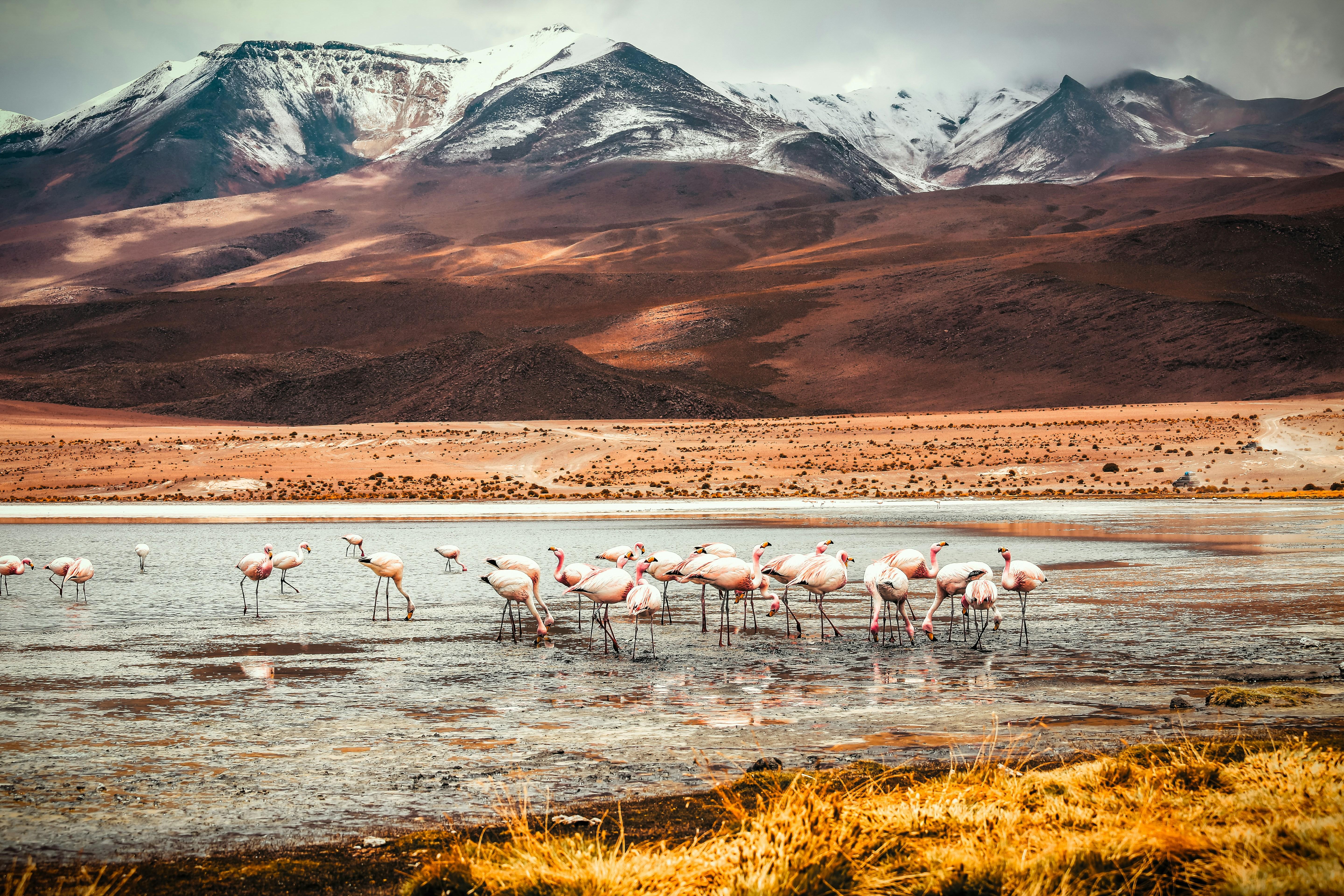
Standing knee-deep in shimmering waters like elegantly clad sentinels, a group of flamingos appears blissfully unaware of the daunting mountain backdrop that looms over them. Their tranquil demeanor belies the relatively high-stakes game of attention they’re engaged in—vigilant against both predators and interlopers, these birds are acutely attuned to their surroundings while still indulging in the gyroscopic ballet of foraging. Interestingly, research shows that flamingos can spend up to 60% of their time in vigilance, where they alternate between feeding and scanning for threats, creating a delicate balance amidst seemingly relaxed gatherings.
Flamingos are social creatures, with their interactions teeming with subtler nuances reflecting both camaraderie and individual emotions. To the casual observer, it may seem like mere grazing or idle chitchat, but beneath the surface lies intricate communication. A study has found that up to 20% of flock members may take on sentinel roles during foraging, diligently noting changes in their surroundings while the others feast. This behavioral adaptability not only emphasizes their inherent cooperative strategies but also mimics human social dynamics where communal safety often hinges on the vigilance of a few. As they dip their heads rhythmically into the waters, one can almost imagine the coordination: “Your turn to keep watch while I snack!”
Given their intimate dependence on community for survival, it’s essential to understand how environmental factors can impact their well-being. Elevated stress hormone levels in flamingos can significantly hinder their ability to flourish in high-altitude environments. Research suggests that when stress hormones (corticosterone) elevate beyond normal ranges, flamingos may reduce overall vigilance and engage in less foraging, potentially risking their health. As such, maintaining a stable environment with minimal disturbance is vital. For those wishing to observe these elegant birds in their natural habitat, consider adopting practices that minimize human impact—keeping a respectful distance, observing during designated times that avoid peak feeding or nesting hours, and supporting local conservation efforts.
In watching these flamboyant figures elegantly navigate both land and water, one can’t help but reflect on the symphonies composed through their collective experiences. They stand not just as solitary beings but as part of a grander narrative—much like humans do in their communities. Each bird contributes to a beautiful tapestry of existence, threading together moments of vigilance, care, and grace. Just as we instinctively look toward each other to ensure safety and belonging, so too do these flamingos float together through life’s unpredictable waters, finding solace in the gentle rhythm of shared routines.
 Portuguese
 Thai
Thai
 English
 French
 Spanish
 Deutsch
 Turkish
 Dutch
Dutch
 Italiano
 Russian