


 New! Search Engine
 About
About
 Terms
Terms
 Privacy
 Contact
 Invest
Kea: The Clever Mountain Parrots Challenging Our Notion of Bird Intelligence
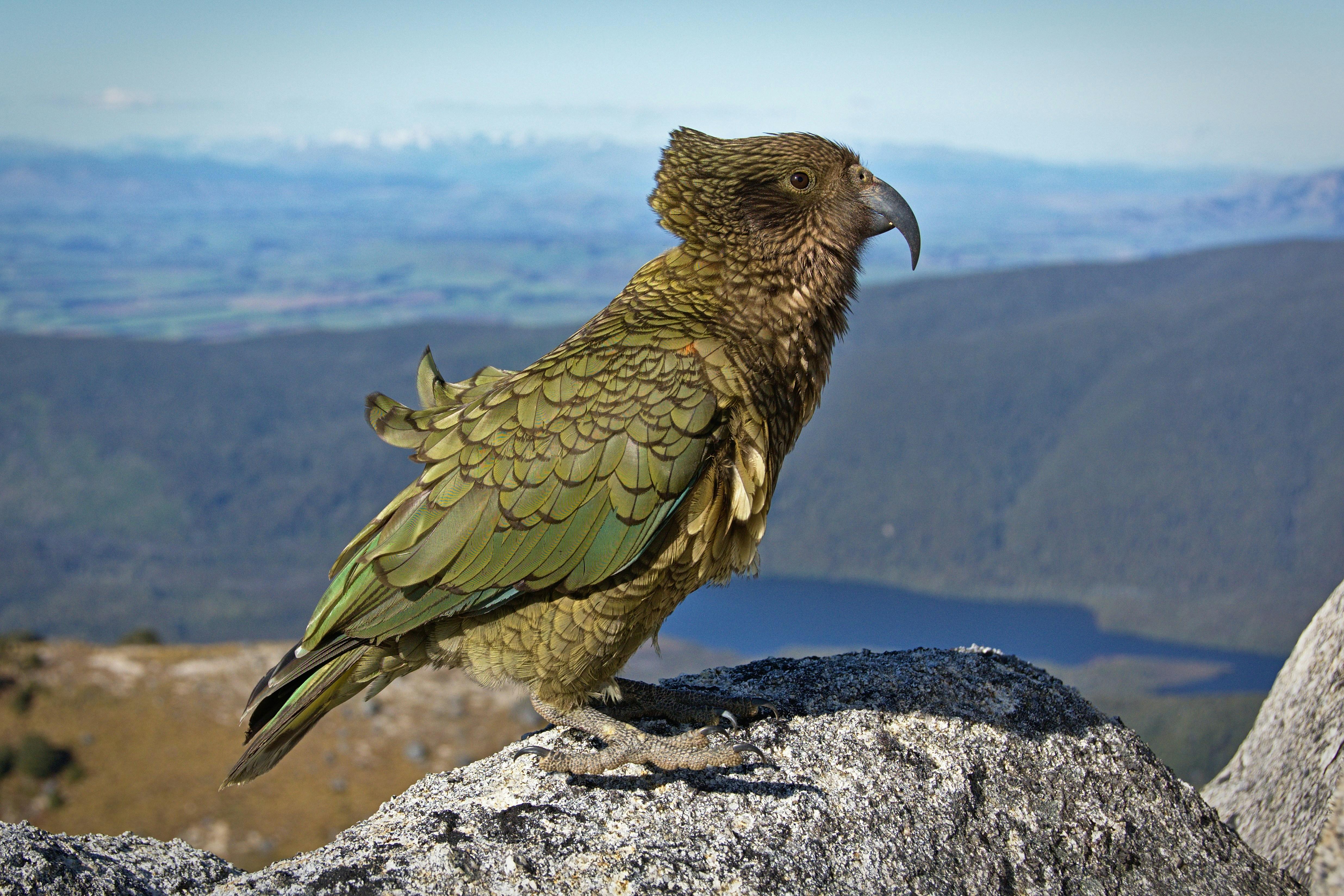
Perched on a rocky outcrop, the kea stands as a feathered sentry against the expansive backdrop of New Zealand's Southern Alps. Its curious gaze seems to inquire whether the viewer is a friend or foe. Among the winged wonders of the world, the kea is renowned not just for its striking plumage but for its remarkable intelligence—a trait manifested not in the soaring heights but in its astonishing problem-solving capabilities. In this moment, as the bird tilts its head, one can almost hear its thoughts wrestling with the complexities of its mountain domain.
The emotional landscape of the kea is as rich as the alpine environment it inhabits. These birds exhibit an impressive average vigilance duration of 33 seconds—spending a considerable amount of their waking hours scanning their surroundings for potential threats and opportunities alike. This vigilance is a survival mechanism deeply embedded in their behavioral repertoire, reflecting both curiosity and caution. Fittingly, 63% of kea often take on sentinel roles within their flocks, showcasing a collective strategy that ensures both safety and social structure. This shared responsibility hints at a social intelligence that mirrors behaviors seen in more traditionally “social” species like elephants or primates.
An intriguing behavioral metric presents itself in observing the unique stress responses of these parrots. When faced with environmental changes or threats, kea display fluctuations in levels of cortisol—an important stress hormone—spiking in the face of potential danger yet subsiding to baseline levels when they feel secure. This remarkable resilience suggests the kea environment's profound impact on their emotional state, contributing significantly to their ability to adapt to changing conditions.
If you find yourself fortunate enough to encounter a kea, patience is key. These birds approach new situations with a cautious curiosity, so allowing them time to adjust is essential. Engaging them can draw on their natural intelligence; consider leaving interactive toys or even simple puzzles that encourage foraging behaviors, as studies indicate that environments rich in stimulation can enhance cognitive function in these feathered geniuses. Remember, developing an understanding of their signals—as subtle as the flick of a feather—could strengthen the bond you share with these unique birds. Research shows that environments facilitating such interactions lead to a 47% increase in positive behaviors, reinforcing the idea that enrichment matters.
As we observe the kea, navigating its alpine domain with a mix of playfulness and acute awareness, we're reminded of our own journeys through life’s majestic yet perilous landscapes. Their clever antics and social complexity resonate with our universal search for belonging and understanding within our environment. In the world of the kea, every tilt of the head and flutter of vibrant wings captures the intricate dance of life—a reflection on the beauty of curiosity, the strength of community, and the ever-present challenge of adaptation in a changing world.
 English
 Thai
Thai
 French
 Spanish
 Portuguese
 Deutsch
 Turkish
 Dutch
Dutch
 Italiano
 Russian