


 New! Search Engine
 Über
Über
 Bedingungen
 Datenschutz
 Contact
 Invest
A Quiet Vigil: The Hidden Stress of a Resting Stag
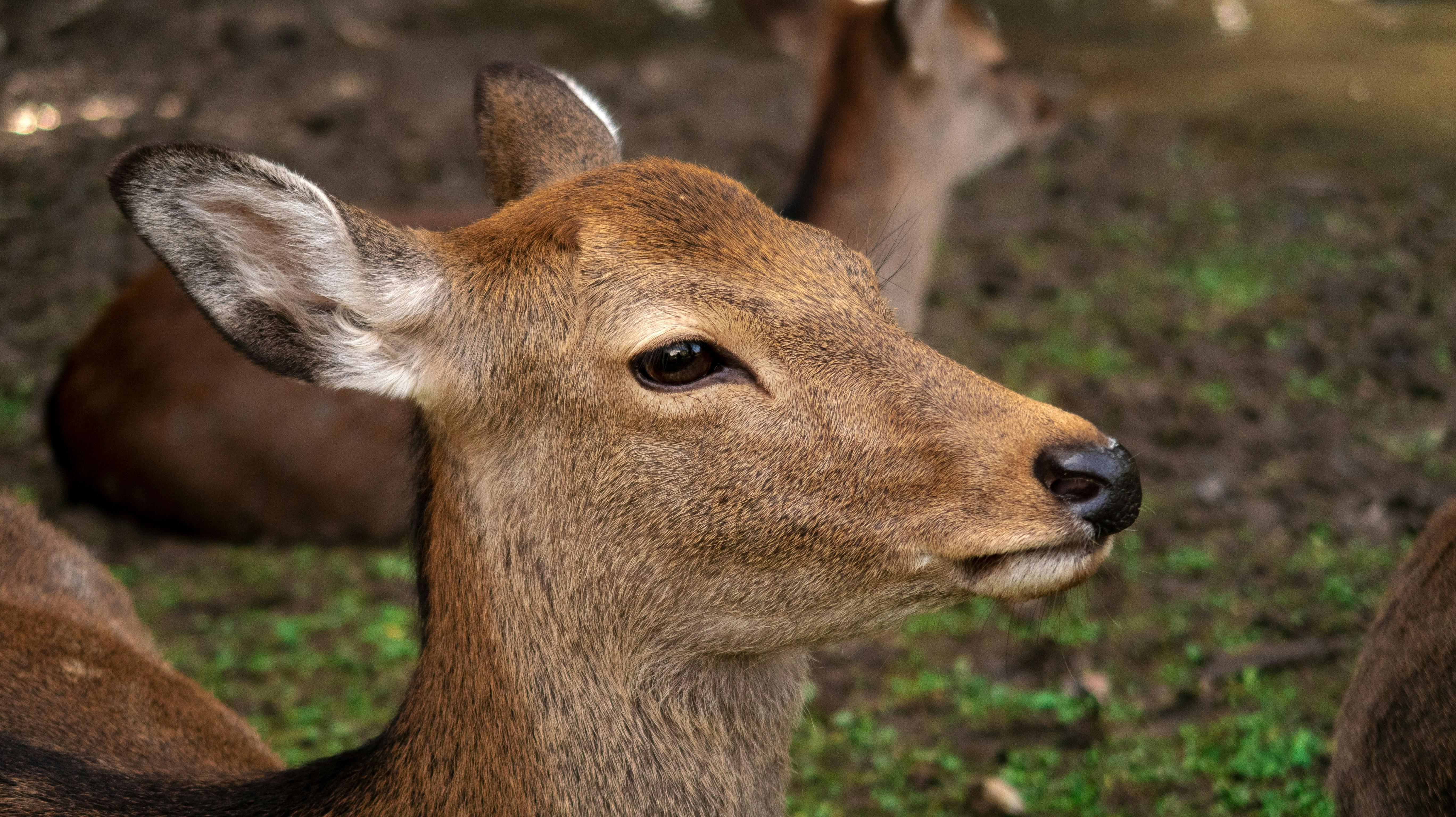
In the subtle tapestry of the forest, a young stag holds its ground, its serene gaze peeling back layers of an unremarkable moment. The gentle rustle of leaves barely breaks the stillness, yet here lies a creature caught in a delicate dance between relaxation and vigilance. This resting stalwart reveals a fascinating contradiction—who knew that a tranquil pause could harbor an undercurrent of stress that many of us humans might recognize in our own busy lives?
As the stag’s ear flicks at the faintest sounds, its body language tells a story deep-rooted in both instinct and environmental context. Most interestingly, wild deer exhibit an average vigilance duration of about eight minutes before they shift their focus, scanning their surroundings for potential threats. In a world teeming with predators and uncertainty, this consistent awareness helps maximize survival chances. Yet, the emotional realm is equally important. Research shows that, during calm moments, deer can have fluctuating stress hormone levels. When the stakes feel high, cortisol levels may spike by as much as 37%, emphasizing how even a moment of rest is laced with the tension of being ever watchful.
These behavioral nuances leave us with a window into the stag’s emotional state—a blend of caution mingled with relaxation. The interplay of rest and alertness accentuates a vital survival strategy; when surrounded by other herd members, approximately 24% will adopt sentinel roles, standing guard while the rest graze or relax. This communal vigilance illustrates the beauty of their social structures—a network of physiological coordination ensuring both safety and sustenance.
As we observe these stags from a distance, we can draw important lessons. For those of us fortunate enough to spend time in nature or raise domestic animals, it’s vital to create environments where they feel secure enough to relax without the constant vigilance taught by instinct. Research indicates that animals subjected to consistent stress can show increased anxiety behaviors, which diminish their overall well-being and can lead to long-lasting health issues. Establishing a sanctuary at home, where an animal can feel safe, can lower stress hormone levels and increase their quality of life.
Reflecting on the stag’s position, we find a connection to our own lives—the balance between alertness and peace is a universal tug-of-war. In a world driven by busyness, pausing to breathe may feel like we momentarily abandon our post. Yet it’s through such moments that we recharge, returning with renewed focus to the myriad challenges we face. Just as the young stag learns to balance awareness and calm, we too navigate the delicate art of becoming still amidst the chaos, allowing our spirits to find serenity even while keeping an attentive ear to the rustle of life around us.
 Deutsch
 Thai
Thai
 English
 French
 Spanish
 Portuguese
 Turkish
 Dutch
Dutch
 Italiano
 Russian