


 New! Search Engine
 About
About
 Koşullar
 Gizlilik
 Contact
 Invest
Title
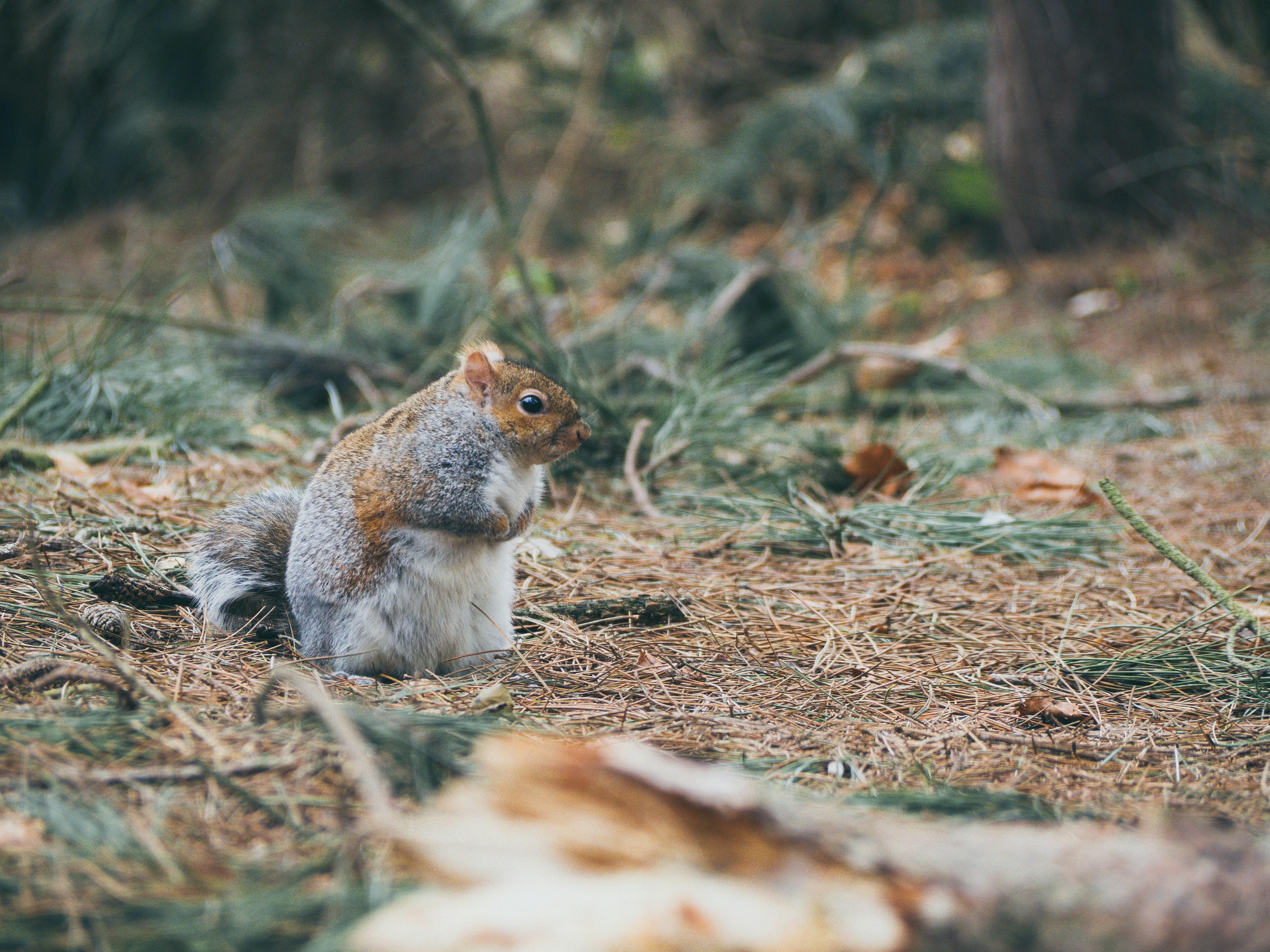
In the Crosshairs of Vigilance: How Squirrels Balance foraging with Survival
Article
Amidst a carpet of pine needles, a squirrel stands motionless, as if caught in a moment of both introspection and alarm. With its bushy tail fluffed as if anticipating a gentle breeze, this small creature exemplifies nature's delicate balance between foraging and vigilance. The unexpected detail? While most of us think of squirrels as frantic gatherers, they can hold remarkably still—sometimes for over 30 seconds—as they assess their surroundings.
This pause serves a vital purpose; it’s a behavioral tactic steeped in evolution. With their keen eyes and acute hearing, squirrels have evolved sophisticated vigilance strategies that allow them to navigate threats. Research shows that on average, a squirrel exhibits vigilant behavior—a heightened state of awareness—about 35% of the time while foraging. This alertness is counterintuitive to their reputation for reckless abandon. In fact, red squirrels can consume food items too quickly, leading to decreased foraging efficiency. Yet, they often adapt their behavior based on environmental cues, adjusting their vigilance levels according to the presence of predators.
What might they be scared of, you ask? Predators such as hawks and domestic cats are formidable adversaries. High-stress environments can elevate cortisol levels in squirrels, with fluctuations documented at approximately 15-25% during high-alert situations. In response, these small mammals often engage in more pronounced sentinel behaviors, where individuals assume watchful roles while others forage. It’s a communal effort that’s both instinctive and critical for survival.
So how does this translate to the broader context of squirrel welfare? For those who wish to support local wildlife, creating a safe foraging environment can be a significant aid. Planting native trees that provide natural food sources, such as acorns or seeds, can decrease the foraging stress of nearby squirrels. Moreover, providing natural cover or birdhouses can serve as lookout points for these nervous foragers, bolstering their confidence in vulnerable moments. Studies suggest that enhancing foraging context increases the time squirrels can search for food without feeling threatened—an important distinction as they operate under both pressure and instinct.
As we marvel at the intricacies of a creature as unassuming as a squirrel, we find echoes of humanity reflected in its behaviors—moments of stillness amid chaos. Much like the anxious moments we all face, the squirrel embodies a universal truth: sometimes, we all need to pause, assess, and adapt. In the fine balance of life, attention to our surroundings can significantly shape our experience, forging a connection between vigilance and survival that resonates beyond species.
 Turkish
 Thai
Thai
 English
 French
 Spanish
 Portuguese
 Deutsch
 Dutch
Dutch
 Italiano
 Russian