


 New! Search Engine
 Sobre
Sobre
 Termos
 Privacidade
 Contact
 Invest
Giraffe Vigilance: Observing the Quiet Complexity in a Towering Society
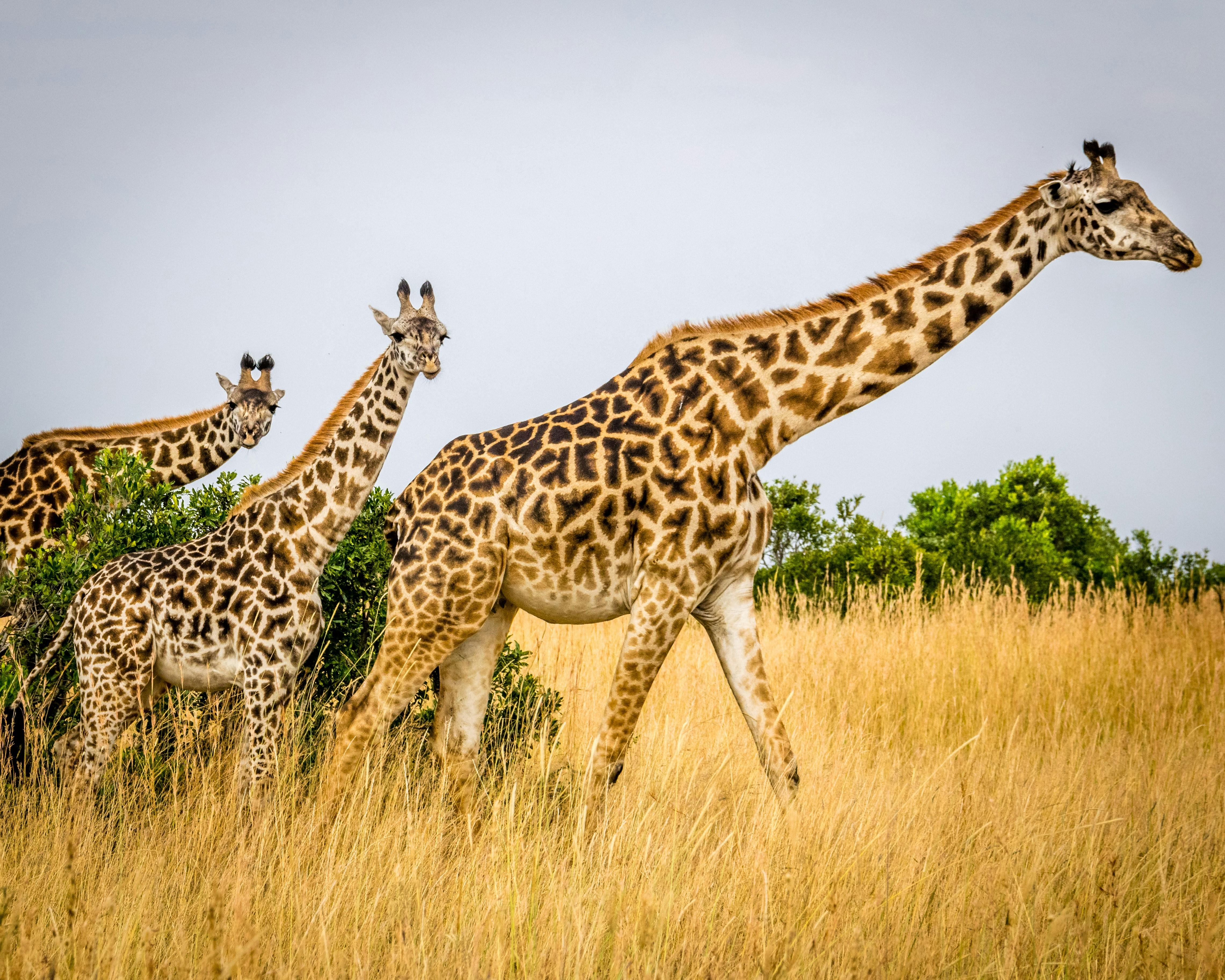
Amidst the golden grasslands of Africa, a quartet of giraffes emerges, their necks gracefully extended toward the horizon, seemingly engaged in a silent conversation. As one leads the parade, meticulously navigating through the underbrush, it’s the younger ones lingering behind, occasionally preening the tall grasses, that bring a flicker of humor to the scene. There’s something delightfully absurd about these towering beings, like a reluctant family caught in a slow-motion waltz, where someone forgot to hit the music play button.
Yet, lurking beneath this quirky exterior lies a striking narrative rooted in vigilance and social dynamics. Giraffes exhibit an intriguing behavior known as "sentinel behavior," where certain members, typically the older or more experienced, take on the responsibility of scanning for predators while others graze. Remarkably, studies have shown that up to 24% of a herd may adopt this sentinel role at any given time. Their watchful eyes are essential for survival; a predator could materialize within seconds. These tall giants, characterized by their elongated necks, can reach impressive heights of up to 18 feet, allowing them to survey the grasslands from a vantage point that would make any lookout green with envy.
The emotional state of these animals is intricately tied to their social structures and environment. When facing potential threats, cortisol levels—indicative of stress—can significantly fluctuate. In giraffes, these levels can peak during heightened alertness, showing a quick transition from calm grazing to an intense focus on potential danger. Fascinatingly, research suggests that giraffes can shift their attention as frequently as every 5-10 seconds, a behavior attributed to both survival instincts and social interactions. This constant vigilance intermingles with moments of relaxed grazing, providing a complex picture of their emotional landscape.
For those interested in fostering the well-being of captive giraffes, understanding their social needs is paramount. Providing a spacious environment enriched with foliage to encourage foraging mimics the wild and promotes natural behaviors. To facilitate a sustained low-stress environment, keeping herd sizes manageable—with ideally no fewer than three individuals—can help. Research has indicated that groups of this size promote stability and social bonding while reducing stress levels, crucial for a species that thrives on social cohesion.
As the giraffes navigate their way through the tall grasses, they embody a nuanced blend of resilience and tenderness that mirrors our own journeys. Just as these gentle giants rely on each other to navigate the perils of their world, so too do we depend on our communities to guide us through life’s unexpected challenges. It is in these shared moments of vulnerability and vigilance—whether grazing or facing the unknown—that we discover the profound connections that bind all living beings.
 Portuguese
 Thai
Thai
 English
 French
 Spanish
 Deutsch
 Turkish
 Dutch
Dutch
 Italiano
 Russian