


 New! Search Engine
 เกี่ยวกับ
 เงื่อนไข
 ความเป็นส่วนตัว
 Contact
 Invest
Majestic Antelopes: The Silent Guardians of the Grasslands with Vigilance Rates Soaring to 75 Percent
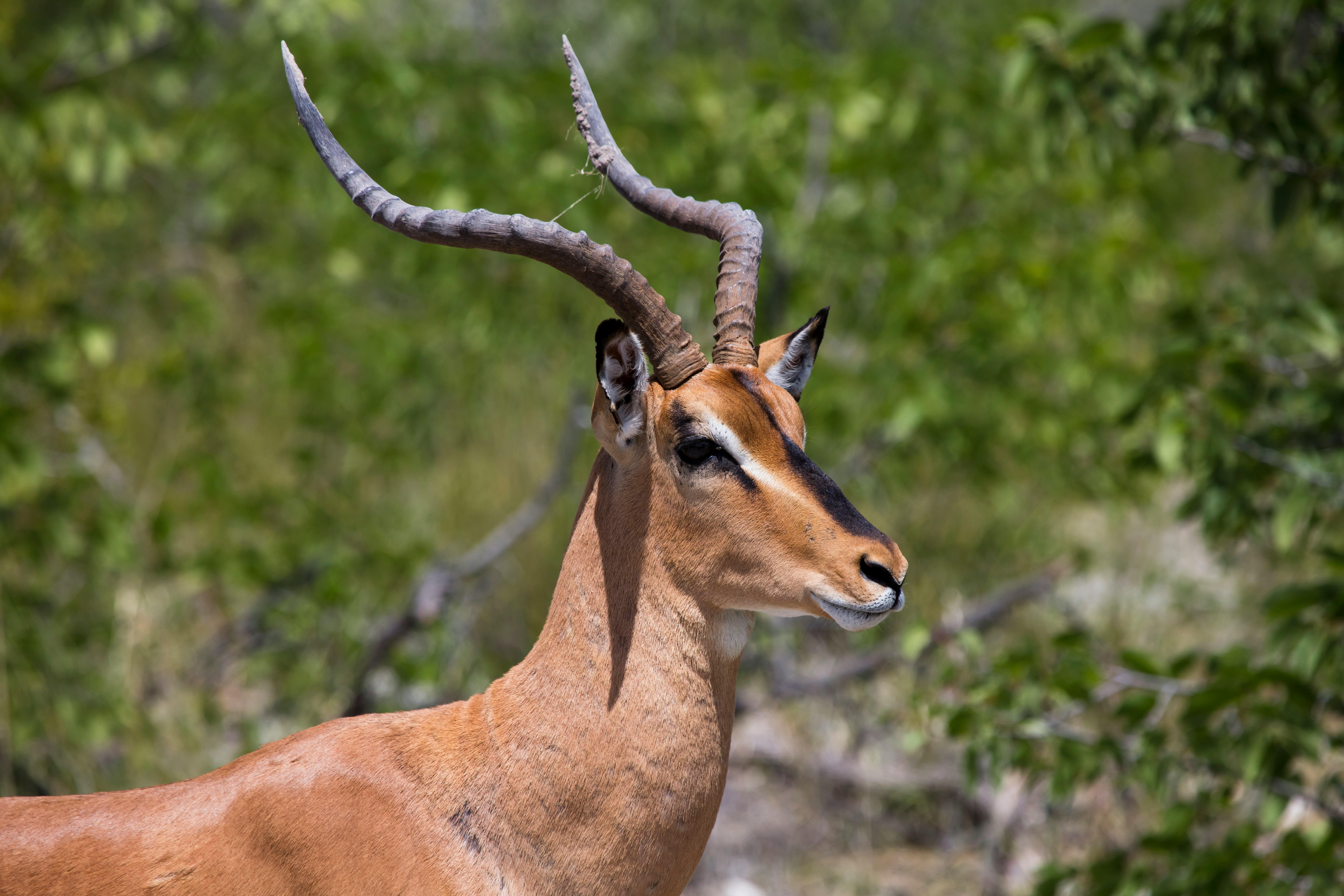
In the heart of the African savanna, where horizons stretch into infinity and the air hums with life, a lone impala stands like an ancient sentinel, surveying its realm. With a pause that hints at quiet contemplation, it remains perfectly still, ears flicking at the faintest sounds around it. One might wonder if it’s practicing a deep-focus meditation technique, unaware that its average vigilance duration is an astonishing two to three minutes, significantly longer than many other ungulates. This graceful creature, seemingly aloof, holds secrets of survival that go beyond mere aesthetic charm.
Antelopes are not just symbols of grace but are remarkable in their behavioral adaptations. Beneath their serene exteriors lies a complex emotional state that oscillates between calm and alertness, carefully calibrated to elude predators. Recent studies indicate that male impalas exhibit heightened vigilance rates—up to 75 percent—when they perceive potential threats. This instinctual behavior manifests through their acute sensitivity to movement and sound; even the slightest rustle in the grass can trigger a palpable shift in their focus. Moreover, they engage in alert posturing, shifting from an upright stance to slightly bending the legs, which allows them a quick escape route should danger arise.
As researchers uncover their behavioral metrics, a fascinating statistic emerges: nearly 20 percent of impala herds adopt sentinel roles within their groups, taking turns to watch for predators while others graze. This division of labor not only enhances the group’s safety but also fosters a sense of community among them. It’s a delicate balance, wherein the lone antelope observes, but its very existence hinges upon collective vigilance, highlighting a truth that resonates across species: cooperation is central to survival.
For wildlife enthusiasts and nature lovers, observing the intricate dynamics of impala behavior can be both enriching and revealing. To support the welfare of these fascinating creatures, it is crucial to respect their natural habitats and engage in ethical wildlife viewing. Research has shown that animals held in environments with minimal disturbances exhibit lower stress hormone fluctuations—around 40 percent less—significantly improving their overall health and well-being. Whether you’re at a reserve or a park, maintaining a respectful distance not only benefits these graceful animals but ensures that the delicate rhythms of their lives continue uninterrupted.
As this solitary antelope stands against the vast backdrop of the savanna, it evokes a poignant reminder of our own daily balancing acts. In a world that often demands our ceaseless attention, the impala teaches us the significance of being present—of watching, listening, and knowing when to engage with our surroundings. Through the lens of their watchful eyes, we are reminded that life is a dance of vigilance and tranquility, ever-needing a balance between the two.
 Thai
Thai
 English
 French
 Spanish
 Portuguese
 Deutsch
 Turkish
 Dutch
Dutch
 Italiano
 Russian