


 New! Search Engine
 About
About
 Termini e Condizioni
 Privacy
 Contact
 Invest
A Kingfisher's Watch: The Unseen Vigilance of Nature's Sharpest Hunter
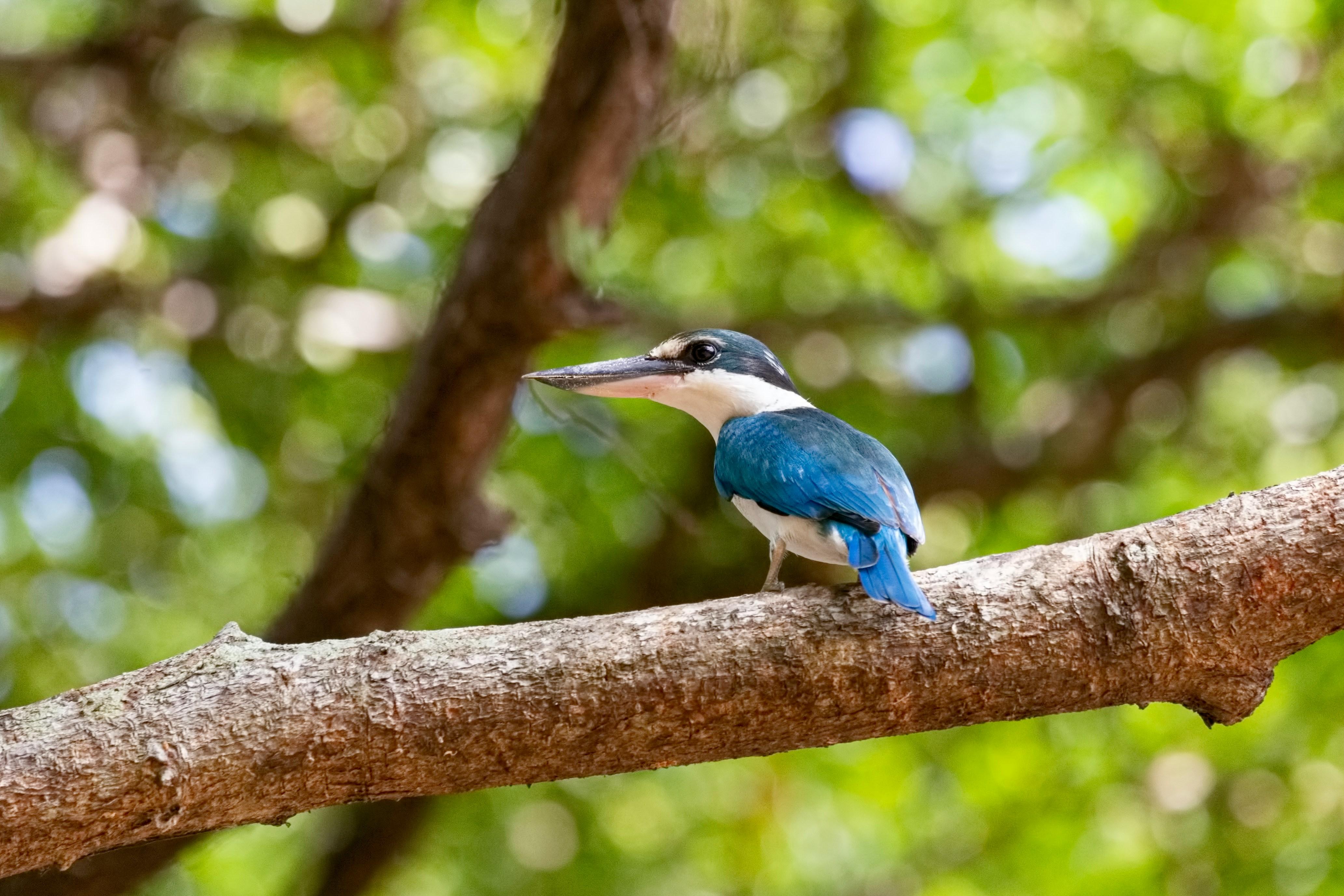
Perched regally on a gnarled branch, a kingfisher surveys the sun-dappled world with the sharp-eyed seriousness of a seasoned detective. Its vibrant plumage—a brilliant blend of teal and white—seems to demand respect, but the delicate quivering of its feathers hints at a burst of nervous energy. One can’t help but chuckle at the bird's exaggerated stillness, as if frozen in a game of "who will move first," waiting for the aquatic ballet below to unfold. What secrets lie behind those keen eyes?
In the realm of avian behavior, the kingfisher presents a fascinating case study. Known for its remarkable patience and precision, this bird displays an emotional state defined by acute vigilance. Research reveals that kingfishers can maintain a watchful gaze for an astonishing 60 seconds at a time before shifting their focus, a testament to their dedication as skilled hunters. Interestingly, during their observations, approximately 40% of adult kingfishers will take on sentinel roles, alerting younger or less experienced birds in the area of impending danger while they fish. This intricate dynamic suggests a deeply layered understanding of safety that transcends mere survival instinct; it speaks to a sophisticated social structure among them.
Maintaining this level of vigilance requires robust physiological coping mechanisms. Studies indicate that kingfishers experience a fluctuation of stress hormones that peaks during their hunting periods, but they typically return to baseline levels within three minutes after a successful catch. This remarkable stress resilience is a crucial adaptation, allowing them to thrive in environments where competition for food is fierce. They adapt their hunting techniques—not just by fishing but also through complex vocalizations that can communicate alerts about nearby threats, ensuring a robust survival strategy.
For bird enthusiasts and nature lovers hoping to foster similar environments for these avian marvels, consider the safety and accessibility of habitats. Creating bird-friendly spaces in gardens—by incorporating water features and native plants—can significantly enhance local biodiversity and attract these majestic creatures. Research suggests that kingfishers are drawn to areas with stable water sources, so even the addition of a small pond can become an inviting habitat. Crafting such spaces can lead to more thriving populations, giving us a chance to observe their behavior first-hand while contributing to conservation efforts.
Reflecting on the vibrant dance of life that occurs, one can’t help but notice how the kingfisher’s focused patience mirrors aspects of our own existence. In our daily hustle, we often forget the beauty of being present, of pausing to absorb the world around us. Just like the kingfisher, we too can benefit from those moments of stillness, allowing ourselves to truly see what lies beneath the surface of our busy lives. It’s a gentle reminder that in the art of observation, we might discover our own reflections amidst nature’s intricate tapestry.
 Italiano
 Thai
Thai
 English
 French
 Spanish
 Portuguese
 Deutsch
 Turkish
 Dutch
Dutch
 Russian