


 New! Search Engine
 Über
Über
 Bedingungen
 Datenschutz
 Contact
 Invest
Flamingos on Alert: How a Simple Head Turn Reveals Complex Social Dynamics
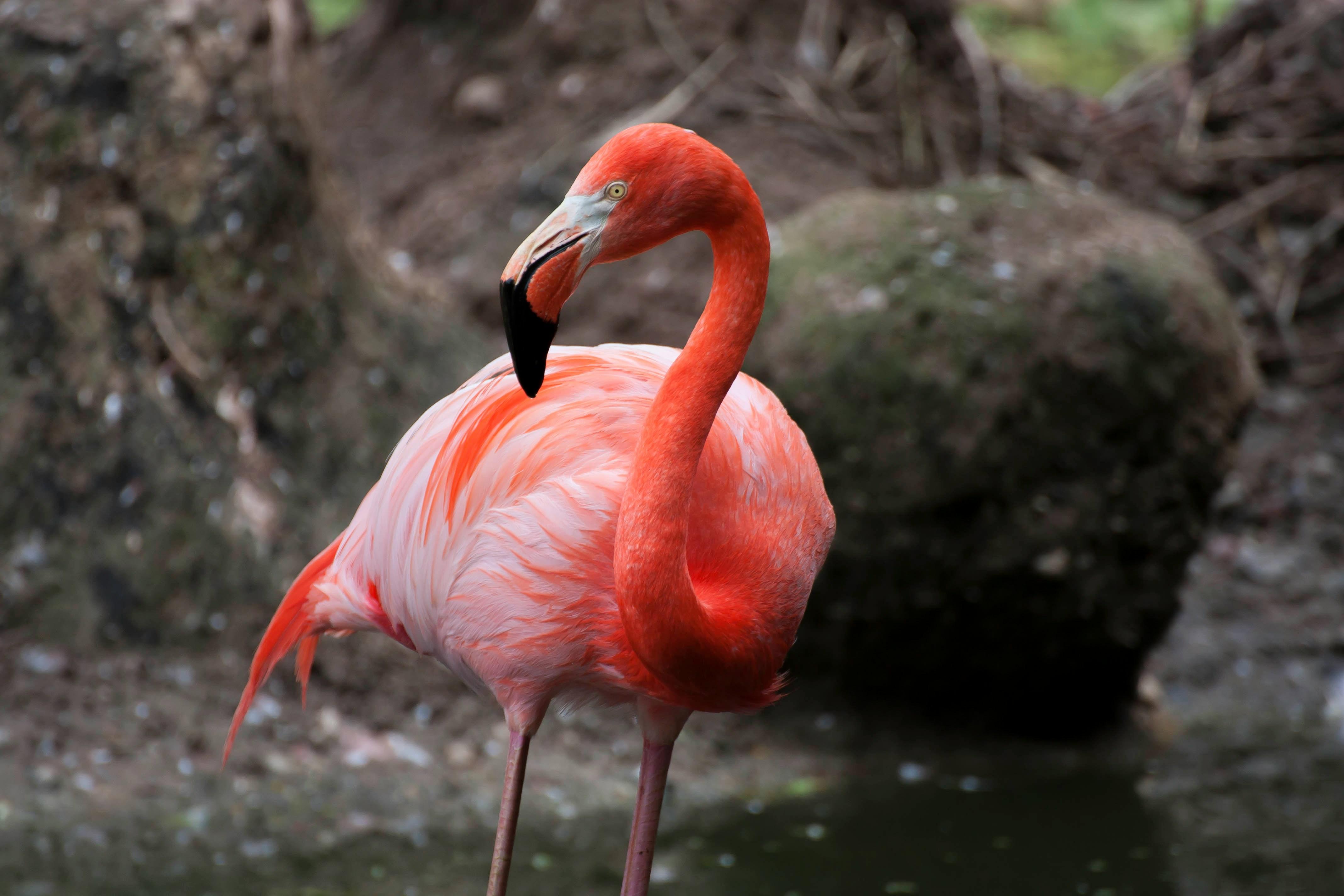
In the mellow light of dawn, the flamingo stands poised—pink feathers aglow—a living illustration of elegance and vigilance. Yet, this stunning creature isn’t merely striking a pose; there’s a deeper choreography at play. With that head turned in a seemingly casual manner, this bird showcases an extraordinary instinct: it can rotate its neck up to 90 degrees, expertly scanning for potential threats while maintaining a serene appearance.
Understanding the emotional nuance behind a flamingo's behavior reveals a world of intricate social communication. Observations indicate that flamingos engage in vigilance behaviors approximately 30% of the time during active periods. This seemingly superficial activity is not merely a quirk of habit; it serves as a crucial survival strategy. During breeding seasons, when threats loom larger—be they natural predators or rival flocks—these birds adopt sentinel roles. Remarkably, up to 40% of a flock will engage in vigilance duties at any given time, a strategy that has been called “distributed vigilance”. It’s a dance of trust and cooperation, where some individuals sacrifice their feeding for the safety of the entire group.
But the stakes escalate in these dynamic social environments; stress levels become palpable, fluctuating significantly when resources are scarce. Hormonal analysis shows that during high-stress scenarios, stress hormones in flamingos surge roughly 60% when confronted with unfamiliar disturbances, making that head turn not just a stylish move but a desperate act of survival. While they maintain their striking presence, there’s no mistaking the underlying tensions as they alternate between grazing and alertness, an ebb and flow steeped in the urgency of nature.
For those managing flamingo habitats, understanding their social dynamics is essential for promoting welfare. Providing ample space to flock, coupled with environmental enrichments—such as varying water depths and substrates—can reduce stress levels significantly. Research indicates that when offered diversions or obstacles to navigate, flamingos show up to a 25% reduction in stress-related behaviors, allowing them to engage more naturally both individually and socially.
As we marvel at the flamingo’s grace, we glimpse echoes of our own social lives, where the nuances of communication often lie hidden beneath the surface. Just as these birds navigate their world with careful social awareness, we too, dance through our days, balancing between vigilance and connection. In every moment of hesitation or attention, we echo the timeless rhythms of their existence, forever searching for harmony amidst the chaos.
 Deutsch
 Thai
Thai
 English
 French
 Spanish
 Portuguese
 Turkish
 Dutch
Dutch
 Italiano
 Russian