


 New! Search Engine
 Sobre
Sobre
 Termos
 Privacidade
 Contact
 Invest
The Silent Vigil: How Great Blue Herons Maintain a 75 Percent Success Rate in Striking Prey
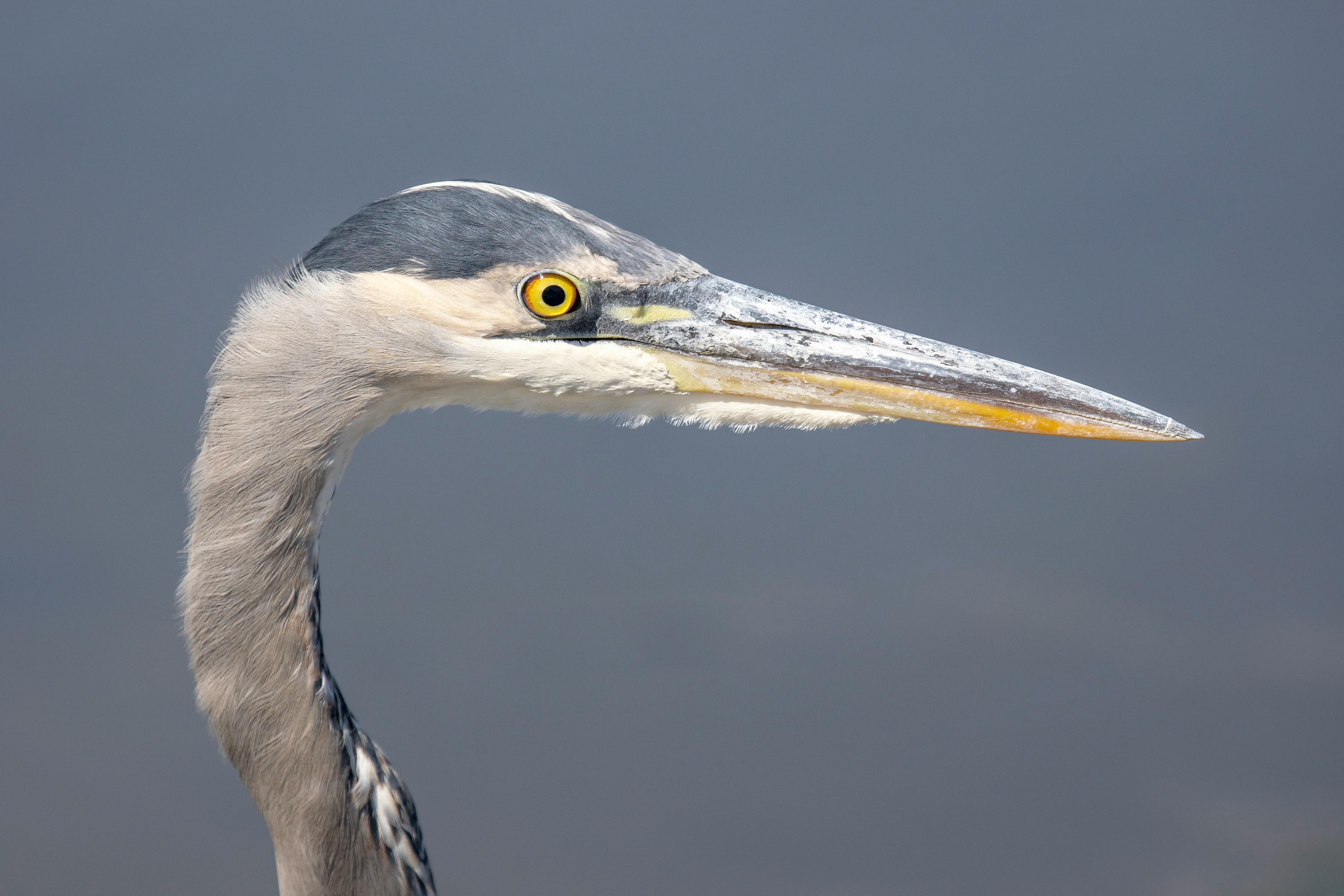
Amid the shimmering waters, a Great Blue Heron stands poised like a living sculpture, its sharp beak glinting in the sunlight. With a neck bent and feathers ruffling slightly in the breeze, the bird displays an almost meditative concentration—hinting at an emotional state that blends tranquility with alertness. Yet, the layered tension of its presence is palpable: what secrets lie behind that eagle-eyed gaze? In a world where small fish are caught unaware while birds of prey plot silently, each moment is charged with anticipation.
The emotive language of the heron's elongated silhouette reflects a masterclass in patience. Known for their stoic nature, these birds can adopt a selective attention strategy that allows them to maintain a focus duration of up to 30 minutes before shifting their gaze. This remarkable vigilance is even more compelling when considering that Great Blue Herons have been observed to have a success rate of approximately 75 percent in striking their prey, a number that starkly contrasts with the average ambush predator’s success rate of about 25 percent. This impressive statistic invites us to ponder: what drives such consistent efficacy in their behavior? The careful calibration of patience and reaction time likely plays a key role here, alongside their innate ability to sense subtle movements beneath the water's surface.
When it comes to welfare considerations, understanding these nuances can illuminate how one might best support environments where these majestic creatures flourish. For wildlife enthusiasts and local communities alike, maintaining clean and accessible waterways is vital. Herons are known to experience a significant fluctuation in stress hormone levels during breeding seasons—sometimes soaring as high as 200 percent above baseline when threatened. Providing undisturbed areas for nesting could buffer these stressors, allowing them a safer haven to raise their young. Additionally, research indicates that specialized feeding areas that limit disturbance from human activities can enhance their ability to thrive, with studies showing a 20 percent increase in fledgling survival rates under optimal conditions.
As we watch mayflies dance above the water’s surface, we can’t help but resonate with the heron’s solitary pursuit—its quiet resolve speaks to our own human experiences of waiting, searching, and hoping. In our fast-paced lives, there’s a certain beauty in adopting the heron’s philosophy of patience, reminding us that sometimes, the best moments arise not from frantic searching but from the calm embrace of stillness and intent. Nature’s lessons run deep and linger long, teaching us that every creature, great or small, is a master in its own rite, embodying the silent struggles that bind us all.
 Portuguese
 Thai
Thai
 English
 French
 Spanish
 Deutsch
 Turkish
 Dutch
Dutch
 Italiano
 Russian