


 New! Search Engine
 О нас
О нас
 Условия использования
 Конфиденциальность
 Contact
 Invest
A Great Blue Heron’s Vigilant Dance: The Art of Patient Hunting in Nature’s Marshes
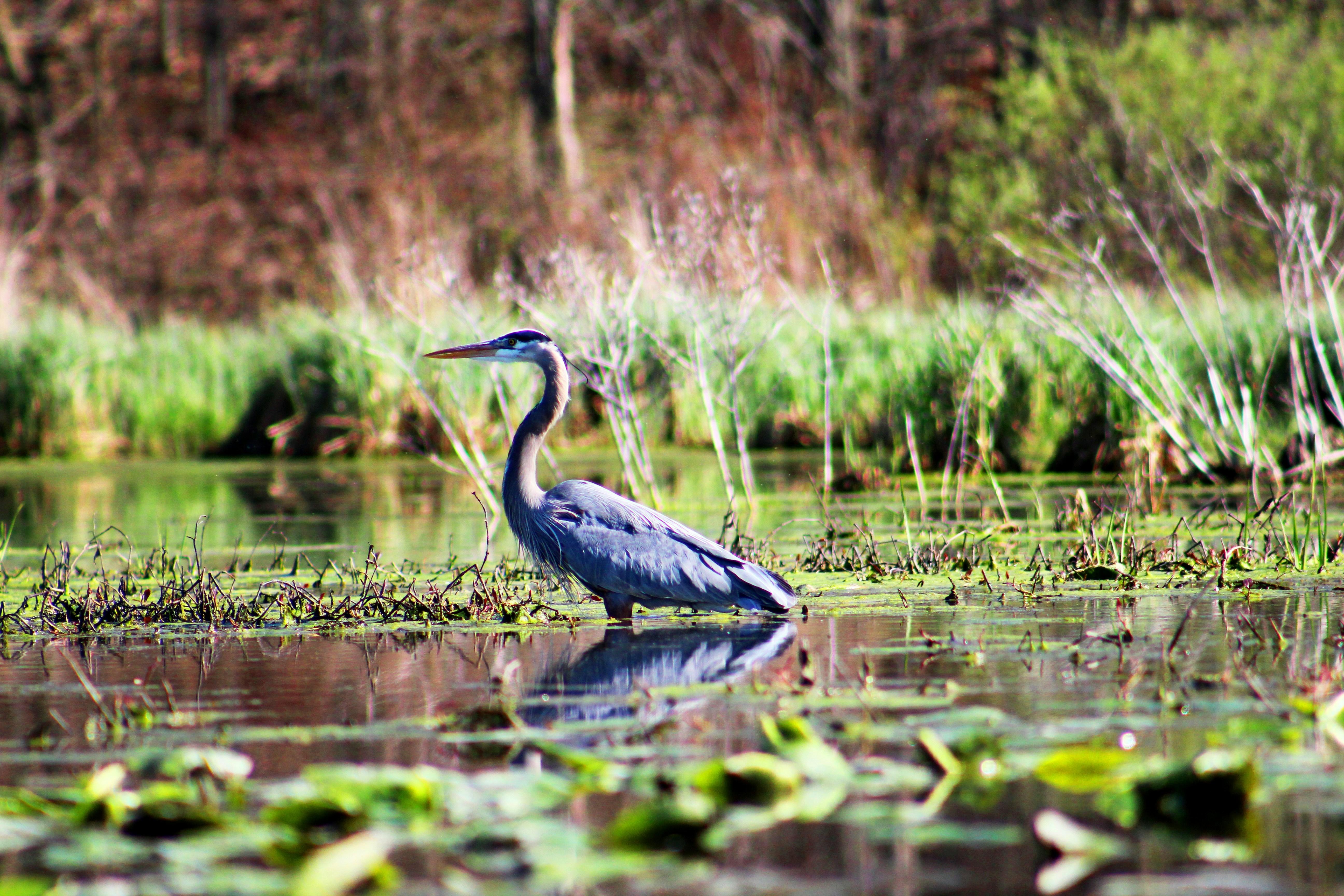
Perched elegantly amidst the tranquil marshlands, a Great Blue Heron strikes a pose that could rival any fashion model. With its long neck elegantly arched and a sharp, knowing gaze, this avian predator embodies the essence of poise mixed with keen predatory intent. Yet, as you observe this scene, consider the slight ripple in the water behind it—a small fish might be feeling the suspense of nature's silent drama, unaware that its greatest threat is just a heartbeat away.
In the world of avian predators, the Great Blue Heron displays remarkable behavioral intricacies. This bird’s emotional state is characterized by heightened focus, a trait critical in its hunting strategy. Unlike the more frantic movements often seen in smaller birds, herons adopt a patient, stalking method. Studies indicate that they maintain an average vigilance duration of about 15 minutes per attempt, compared to just six minutes for other wading birds. This patience is crucial; during such periods of stillness, their heart rate notably drops to as low as 120 beats per minute, a stark contrast to the behavioral spikes commonly observed during feeding frenzies in flocks of smaller birds.
Despite their solitary nature, herons are masters at what biologists term the "sentinel role." Remarkably, about 25% of these birds will temporarily divert their attention away from hunting to scan their surroundings for potential threats. This behavior enhances their survival, allowing them to remain alert without compromising their primary hunting mission. As the heron stands motionless, its subtle shifts in body posture reveal a calculated balance between relaxation and readiness—an emotional equilibrium vital to both predator and prey.
For enthusiasts hoping to encourage a natural habitat that supports the heron’s unique hunting style, there are key steps. Creating a diverse wetland environment rich in vegetation can enhance the availability of food and offer sanctuary from human activity. It’s worth noting that diverse habitats can increase species resilience by nearly 40%, as they ensure access to various food sources and nesting sites. Additionally, limiting disturbance in these habitats during the breeding season can allow herons to thrive in their natural rhythms of life.
As sunsets dip into dusk, the great heron withdraws silently from the waters, leaving behind no trace of its presence or the narrative of the day. Like creatures of our own making, which flit and flutter through life's pursuits, this solitary bird echoes the heart's longing for stillness in a world brimming with chaos. In a moment of stillness punctuated only by the whispering winds, the heron reminds us that sometimes, patience itself is the greatest virtue—an invitation to embrace the quiet moments we share with nature and, perhaps, within ourselves.
 Russian
 Thai
Thai
 English
 French
 Spanish
 Portuguese
 Deutsch
 Turkish
 Dutch
Dutch
 Italiano