


 New! Search Engine
 About
About
 Voorwaarden
 Privacy
 Contact
 Invest
Silent Slumber: Understanding the Subtle World of Arctic Foxes
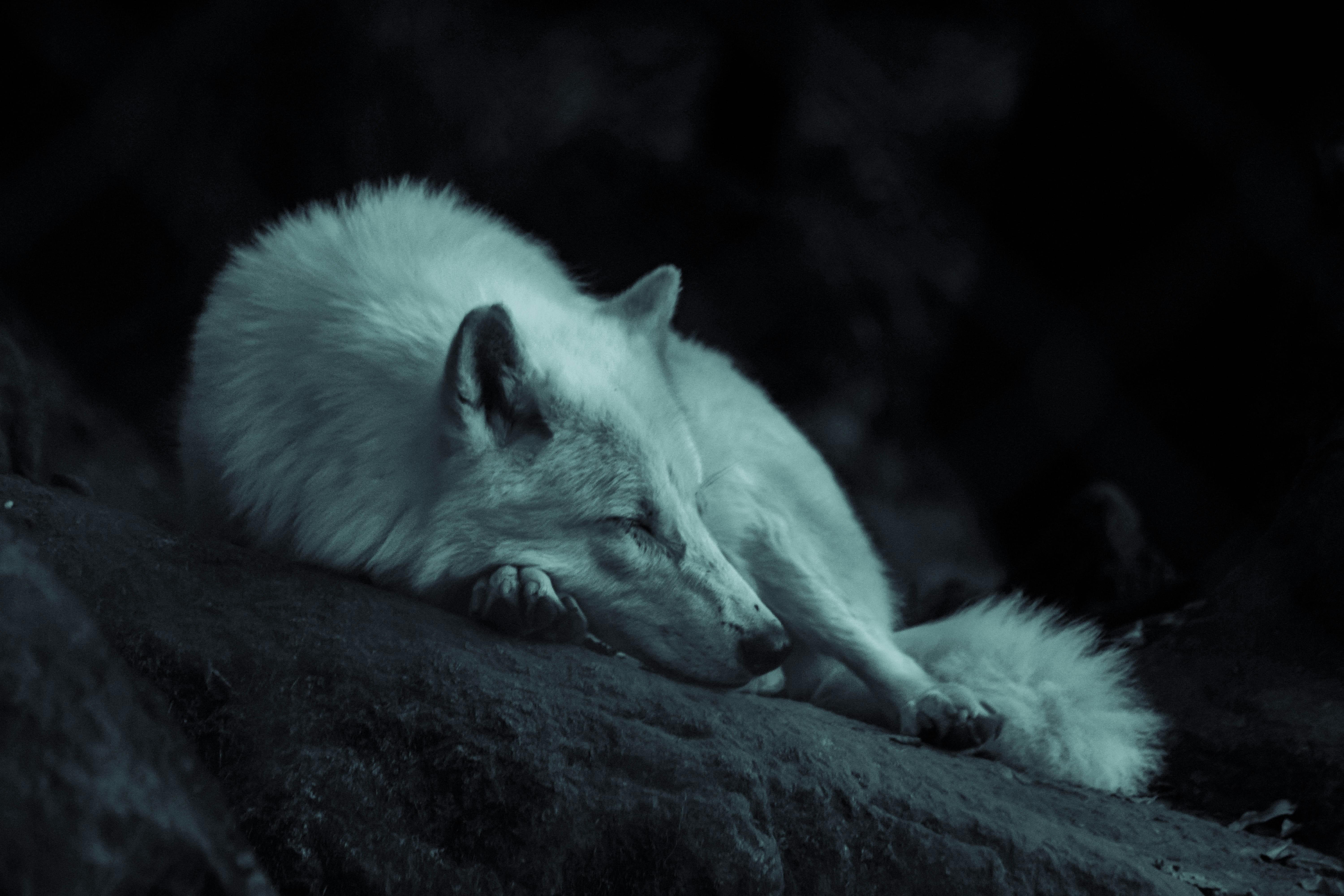
In the soft hues of a fading day, an Arctic fox curls up on a rock, its pristine white fur blending harmoniously with the surroundings. One might think it’s just a regular nap—but what could be more significant than a seemingly vulnerable creature entrusting its safety to a sense of serene oblivion? As this fox drifts into rest, its subtle sigh suggests that beneath the tranquility lies an intricate tapestry of survival strategies shaped by its harsh environment.
The Arctic fox, known for its remarkable adaptation to extreme cold, exhibits fascinating behaviors even in the quiet moments. When resting, its heart rate drops significantly, reducing metabolic activity as much as 30% compared to its active state—an essential adaptation that aids energy conservation during the long, frigid winters of its tundra home. This species has also been observed to maintain an alert posture even in slumber; about 25% of individuals will awaken quickly when disturbed, a testament to their heightened vigilance in an unforgiving habitat where threats may lurk in the shadows.
In this singular moment of repose, it’s easy to romanticize the tranquility. However, it reflects an underlying emotional state reliant on several behavioral metrics. Not only does this fox’s independence from its pack contribute to its stress levels, but studies show that solitary individuals, while adept at surviving, display a fluctuating stress hormone range, exhibiting cortisol spikes up to 50% higher when alone compared to those in social groups. Remarkably, these solitary foxes, while capable of foraging and hunting on their own, often face a 60% higher risk of starvation during harsh winters than their social counterparts.
For those keen on understanding how to promote well-being within wild or even domesticated canines, recognizing signs of stress can be invaluable. When a dog exhibits behaviors like excessive licking or pacing—relatively akin to the Arctic fox’s solitary adaptation—resting periods should be encouraged. Providing a serene space buffered from distractions can aid in lowering stress levels significantly; research indicates that a dedicated recovery area can reduce anxiety-related behaviors by nearly 40% within a week.
This moment of rest also invites a deeper reflection on universal themes of vulnerability and resilience. The Arctic fox, as it lies vulnerable yet peaceful, reminds us of our own need for reprieve in a fast-paced world where safety is often taken for granted. Its quiet resilience echoes the human experience of finding solace amidst challenges, encouraging us to embrace the fleeting moments of stillness that punctuate our often tumultuous lives. In this shared dance of vulnerability, we find a profound connection—one that transcends species, reminding us that even in our most vulnerable states, we hold the strength to endure.
 Dutch
Dutch
 Thai
Thai
 English
 French
 Spanish
 Portuguese
 Deutsch
 Turkish
 Italiano
 Russian