


 New! Search Engine
 About
About
 Koşullar
 Gizlilik
 Contact
 Invest
Flamingos at the Water's Edge: How Isolation Influences Their Social Behavior
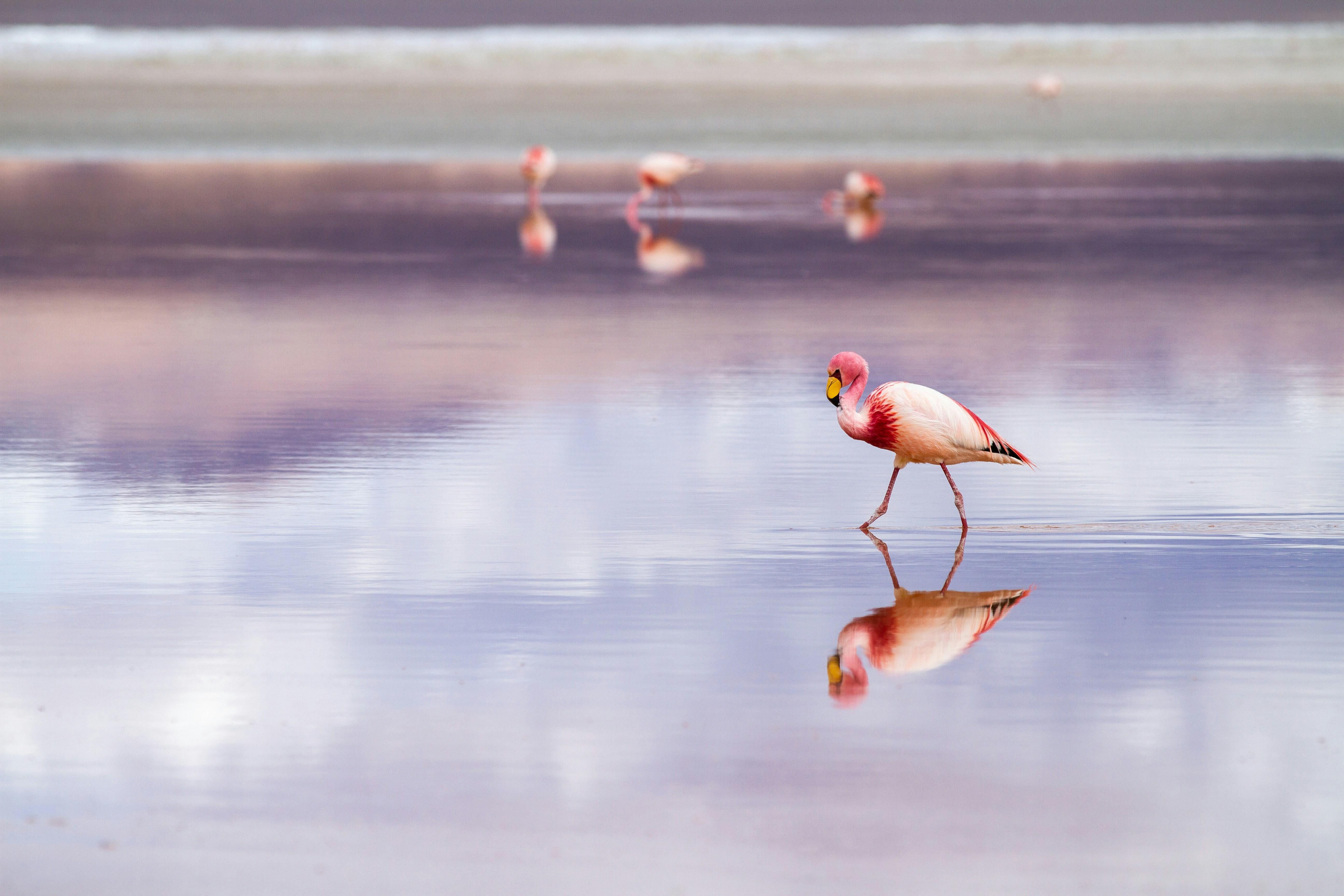
In the surreal landscape of a shimmering lake, where pinks and blues blend in a captivating dance, a solitary flamingo struts purposefully along the water's edge. While its companions lazily wade a few paces away, this individual appears to be contemplating the meaning of life—or perhaps just the nearest snack. Alongside its reflection, it captures an unexpected detail: one foot raised, a pose of balance and consideration. What compels such a display amidst a community of colorfully daft flockmates?
This solitary stroll might be more than a quirky quirk; it encapsulates an innate tension between social and solitary behaviors observed in flamingos. Social animals by nature, flamingos typically maintain group cohesion. However, studies reveal that a striking 25% of flamingos engage in solitary behaviors, particularly during feeding. This tendency offers insight into their emotional state; when alone, they may exhibit both heightened vigilance and a recalibration of social dynamics. In the vast wetlands where competition for food can be fierce, this individual has adopted a temporary rogue status that allows for a deeper focus on foraging. Notably, the attention shift frequency can peak at 10 times per minute, meaning that while indulging in self-driven explorations, they remain acutely aware of their surroundings for threats.
Such deviation in behavior raises questions about the adaptive significance of isolation. Individual flamingos may experience fluctuating stress hormone levels, particularly cortisol, which can rise by 40% when they stray from the flock—an indicator that their decision to forage alone could be both a strategy and a source of anxiety. They are simultaneously social creatures yearning for companionship while also exhibiting the wisdom to engage in singular pursuits when needed.
For those observing flamingos in their natural habitats, understanding their behavioral nuances can enhance both engagement and conservation efforts. Providing a larger, more varied environment can stimulate these innate behaviors that reflect their complexity. Foods that mimic their preferred diet in the wild—especially benthic algae and small crustaceans—can promote both health and the kind of explorative behavior that fosters social bonds when they return to their group. Keeping feeding stations that allow for group dynamics while respecting their occasional need for solitude is critical: studies suggest mixed feeding groups increase resource efficiency by 30%, mitigating competition and encouraging social interaction.
Ultimately, watching a flamingo track its own reflection might evoke thoughts of introspection that resonate beyond the confines of the wetlands. Just as these vibrant birds balance their need for community with moments of solitude, so do we navigate the delicate choreography of our own lives. The act of stepping away, of seizing a quiet moment amid the noise, can lead to clarity that enriches our connections with others. In a world rich with vibrant colors and unpredictable tides, perhaps we all should take time to reflect, engage, and stride forward—as the flamingos so gracefully do.
 Turkish
 Thai
Thai
 English
 French
 Spanish
 Portuguese
 Deutsch
 Dutch
Dutch
 Italiano
 Russian