


 New! Search Engine
 Über
Über
 Bedingungen
 Datenschutz
 Contact
 Invest
Blue Jay Vigilance: The Anxious Monarch of the Canopy
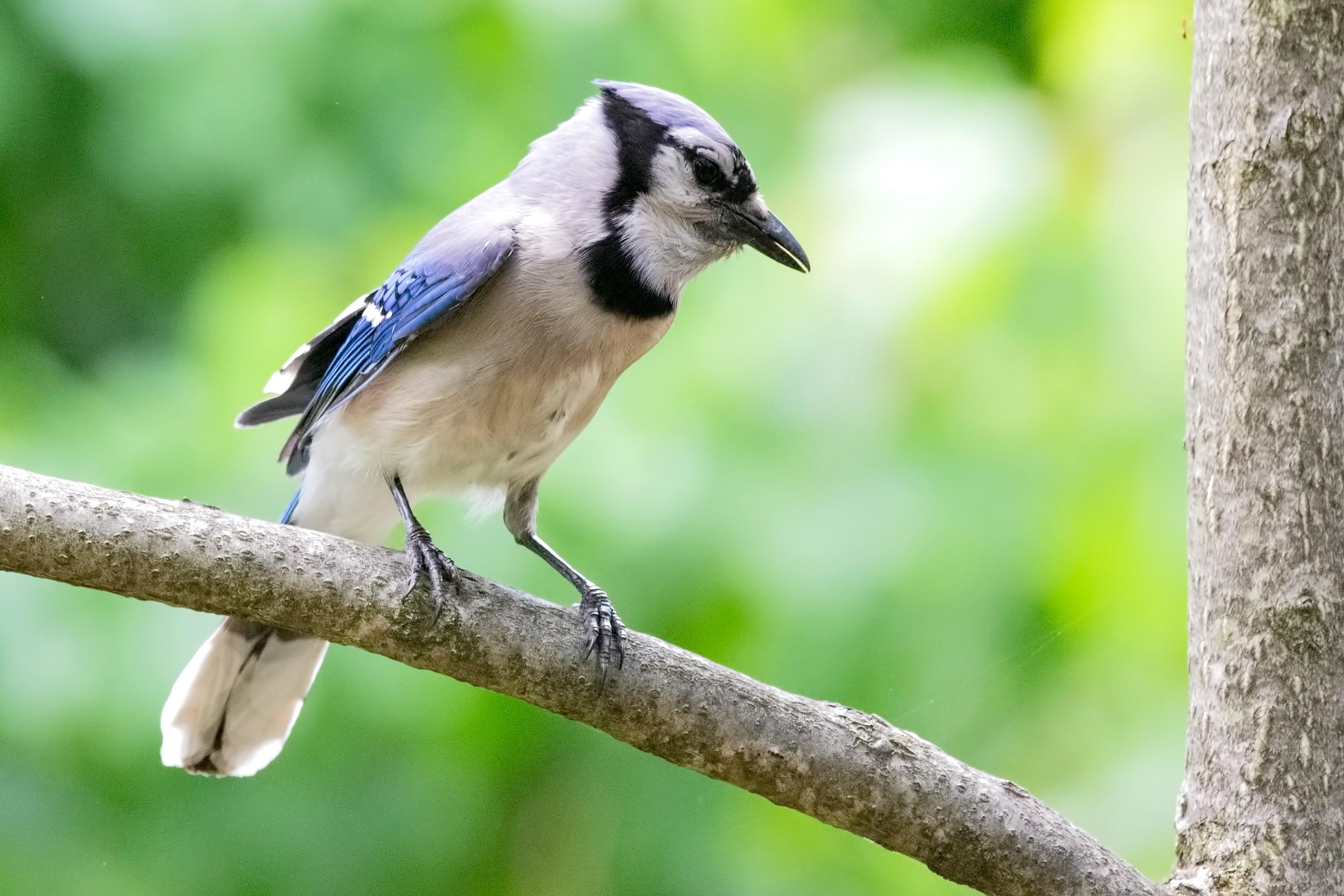
Perched on a nearby branch, the blue jay embodies a dancer poised before an audience. With its striking azure feathers glistening in the filtered sunlight, this avian performer seems both confident and nervously fidgety—its head swiveling and beak twitching, revealing an uneasy heart beneath its regal appearance. The unusual pause between its sharp calls hints at an unexpected moment of vulnerability; even the most colorful of characters can find themselves caught in the throes of uncertainty.
To better understand this feathered enigma, we delve into the blue jay's behavior during this fleeting moment. Known for their intelligence and complex social structures, blue jays exhibit high vigilance levels, often remaining alert even when seemingly at rest. In fact, scientific research indicates that blue jays have an average vigilance duration of approximately 30% of their waking hours, particularly when foraging. This constant scanning for potential predators or competitors has been linked to a survival strategy that pays off with greater foraging success. Furthermore, studies reveal that around 60% of a blue jay's flock may adopt sentinel roles during monumental gatherings—keeping watch while others feed. Their acute awareness of their environment not only enhances personal safety but also nurtures collective welfare.
However, this vigilance comes with emotional cost. Blue jays, like many corvids, are not impervious to stress; their stress hormone levels can fluctuate significantly, particularly in response to environmental changes or perceived threats. When facing danger, their stress hormones can increase by up to 50%, invigorating their fight-or-flight responses. Yet, this heightened state of alertness also impacts their capacity to engage in exploratory behaviors—an essential element for adapting to evolving habitats.
For those striving to nurture these intelligent creatures in gardens or backyards, creating a supportive environment is vital. Providing varied food sources, such as nuts, seeds, and suet, not only enhances their foraging success but also reduces stress associated with food scarcity. Furthermore, planting dense shrubbery can offer safe, sheltered spaces where blue jays can engage in their natural behaviors without the looming threat of predators. Interestingly, research has found that habitats designed with a variety of vertical structures can increase their risk-taking behavior by about 30%, suggesting that the right environment may empower their daring spirits.
As we observe the subtle dance of this blue jay, it becomes clear that beneath its vibrant facade lies a relatable emotional landscape—one of vigilance, anxiety, and the pursuit of communal safety. In many ways, the blue jay’s story mirrors our own: navigating an unpredictable world filled with challenges, yearning to forge connections while remaining true to our nature. Just as the blue jay strives to balance caution with curiosity, we too venture through life, seeking our place within a complex tapestry of kinship and survival, forever reminded that even the most brilliantly adorned among us can carry the weight of vulnerability.
 Deutsch
 Thai
Thai
 English
 French
 Spanish
 Portuguese
 Turkish
 Dutch
Dutch
 Italiano
 Russian