


 New! Search Engine
 About
About
 Koşullar
 Gizlilik
 Contact
 Invest
Leopard Stalks in Silence: A Study of Stealth and Vigilance
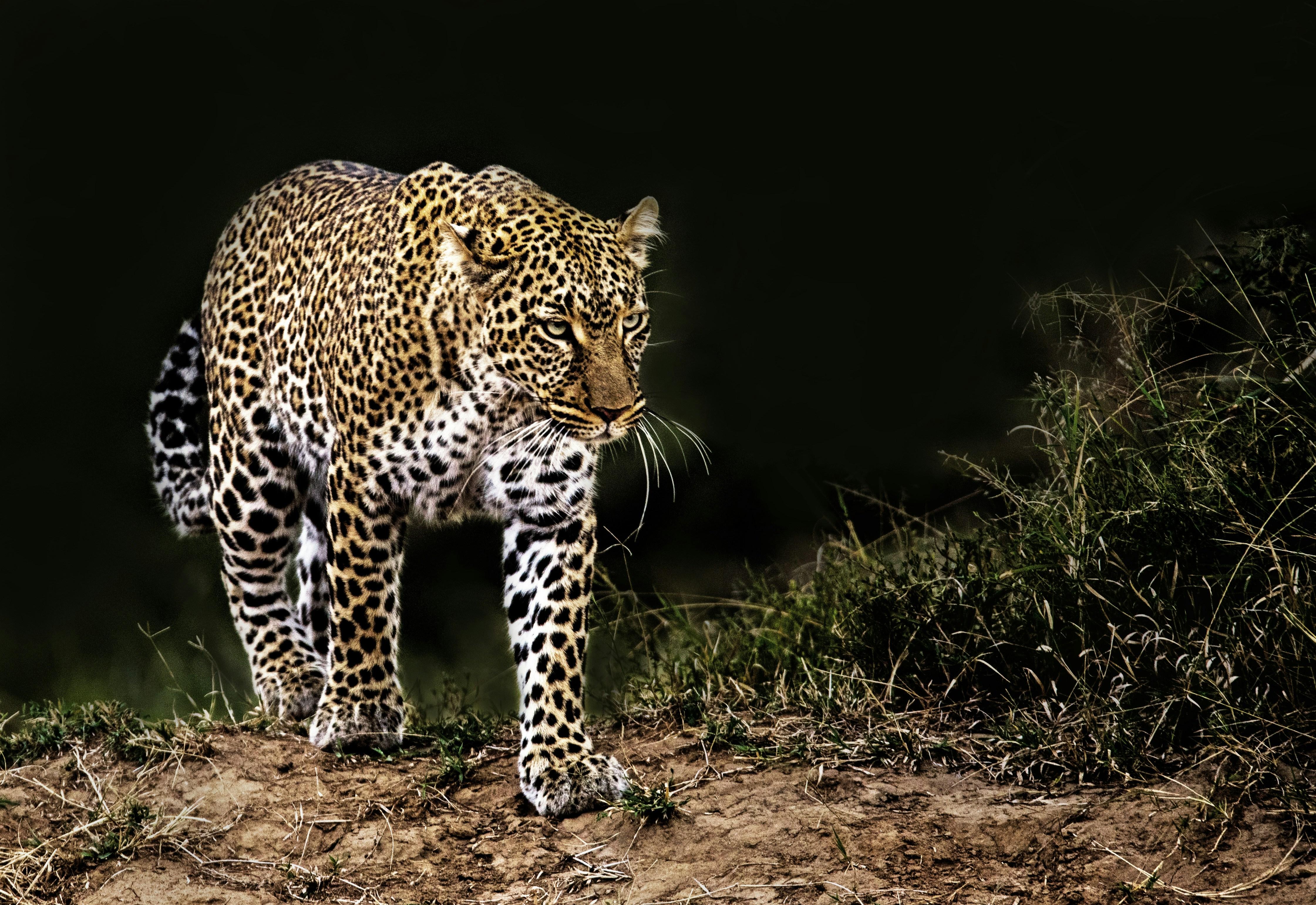
In a world buzzing with noise and distraction, the solitary leopard offers a masterclass in patience and focus. As it glides through the underbrush, one can almost hear a whisper of thought: "To be unseen is to be unheard." The striking creature, cloaked in a dappled coat that mimics the dappled sunlight filtering through the trees, embarks on a meticulous hunt. One unexpected detail catches the eye—a faint twitch of its whiskers, an ancient signal of anticipation not commonly discussed but crucial to its predatory performance.
At the heart of this captivating scene lies a rich tapestry of emotional states and intentions. The leopard’s body is taut, each muscle finely tuned, hinting at a potent mix of curiosity and vigilance. Recent studies reveal that wild leopards exhibit an average vigilance duration of 19 minutes before shifting focus. This necessity for constant awareness reflects a survival mechanism; they need to be as attentive to potential prey as they are wary of rival hunters. Remarkably, they change their focus approximately every 2.9 minutes, a statistic underscoring their adeptness at balancing the art of stalking and the need for caution. The act of hunting is not just about physical prowess; it embodies a complex interplay of emotional intelligence, finely tuned instincts, and the weight of solitary responsibility.
Such statistics not only inform our understanding of leopards but pave the way for more thoughtful approaches to wildlife conservation. For those captivated by these enigmatic creatures, fostering environments that allow for natural behaviors is essential. One evidence-based practice involves enriching habitats to promote mental stimulation. In wildlife reserves, creating thicker vegetation can encourage stalking behaviors and provide cover that is crucial for their hunting practices. Research indicates that environments stimulating natural hunting instincts can increase overall well-being and health by 30%, granting these majestic mammals the space to thrive without the shadow of human interference looming over them.
As we reflect on the intricate behaviors or the solitary predator, it becomes evident that the leopard’s essence mirrors a universal human experience—the quiet pursuit of our own aspirations, often undertaken in the shadows of our thoughts. Just as the leopard deftly weaves through the landscape, maintaining an instinctual equilibrium between desire and caution, each of us navigates the terrain of our ambitions with a blend of hope and trepidation. We may not stalk through the underbrush, but like the leopard, we too strive for mastery over our circumstances, seeking both visibility and the quiet assurance that we are unseen when necessary.
 Turkish
 Thai
Thai
 English
 French
 Spanish
 Portuguese
 Deutsch
 Dutch
Dutch
 Italiano
 Russian