


 New! Search Engine
 About
About
 Voorwaarden
 Privacy
 Contact
 Invest
Hummingbirds: The Tiny Powerhouses with a 70% Energy Burn Rate in Search of Nectar
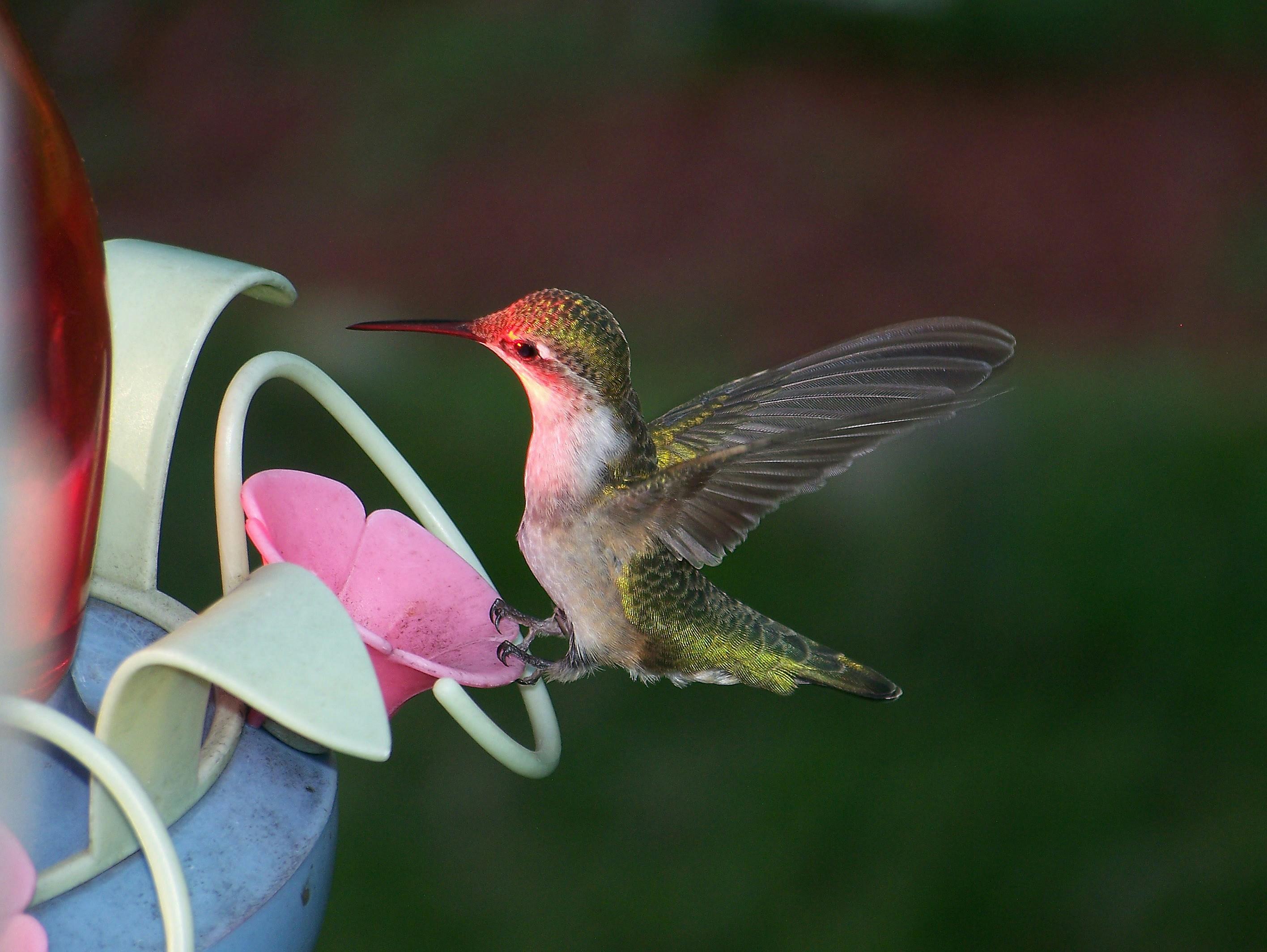
Hovering near a flower as if it were auditioning for a delicate ballet, a hummingbird’s iridescent feathers catch the light, creating a sparkle that both dazzles and distracts. It’s a vivid tableau: this little creature, a marvel of evolution, flits between exertion and rest with agility that can leave even the most seasoned acrobat in awe. Yet, it’s not the ethereal beauty that keeps us watching—it’s the underlying tension in its frantic search for sustenance, which begs the question: how does such a small bird manage its seemingly boundless energy demands?
At the heart of the hummingbird's frenetic behavior lies an intricate balance between survival and energy efficiency. These avian acrobats can burn through their body weight in calories—up to 70% of their energy—just to sustain their metabolic needs during peak foraging times. Despite their small size, averaging only 3 to 4 grams, they demonstrate astonishing versatility. For instance, studies reveal that a typical hummingbird's vigilance rate, which measures its alertness while foraging, is about 30 seconds on average, with frequent shifts to identify potential threats. This vigilance is crucial, given that nearly two-thirds of their energy expenditure occurs during feeding bouts.
Moreover, these birds possess a stress response that can cause a 200% increase in stress hormones like corticosterone when facing challenges, such as competing for nectar or evading predators. This hormonal fluctuation indicates not just a reaction to immediate threats, but a deeper, evolutionary adaptation that allows them to prioritize feeding when it matters most, even when the stakes are high.
For those fortunate enough to observe these incredible creatures, understanding their complex behaviors can greatly enhance our interactions and promote their well-being in artificial settings, such as backyard feeders. To create an optimal feeding environment, consider offering a sugar-water ratio of 1:4—one part sugar to four parts water—while ensuring that feeders are sanitized weekly to prevent harmful mold growth. Research supports that not only does this mixture closely mimic the natural nectar they would encounter in the wild, but it can significantly attract more visitors, with feeders attracting up to 50% more hummingbirds when maintained in pristine condition.
The fleeting moments in which these remarkable birds alight upon a flower remind us of our own quests for sustenance and connection in a world often laden with distractions. Much like the hummingbird, we dance between moments of urgency and peace, tirelessly navigating our environment for support while remaining ever-vigilant for potential detractors. In their delicate balance of fragility and strength, hummingbirds resonate with a universal truth: the pursuit of what nourishes us can be both breathtakingly beautiful and intricately complicated, reminding us that even the smallest beings are deeply interconnected within the tapestry of life.
 Dutch
Dutch
 Thai
Thai
 English
 French
 Spanish
 Portuguese
 Deutsch
 Turkish
 Italiano
 Russian