


 New! Search Engine
 About
About
 Termini e Condizioni
 Privacy
 Contact
 Invest
Cheetahs on the Move: Decoding Their Remarkable Speed and Social Dynamics
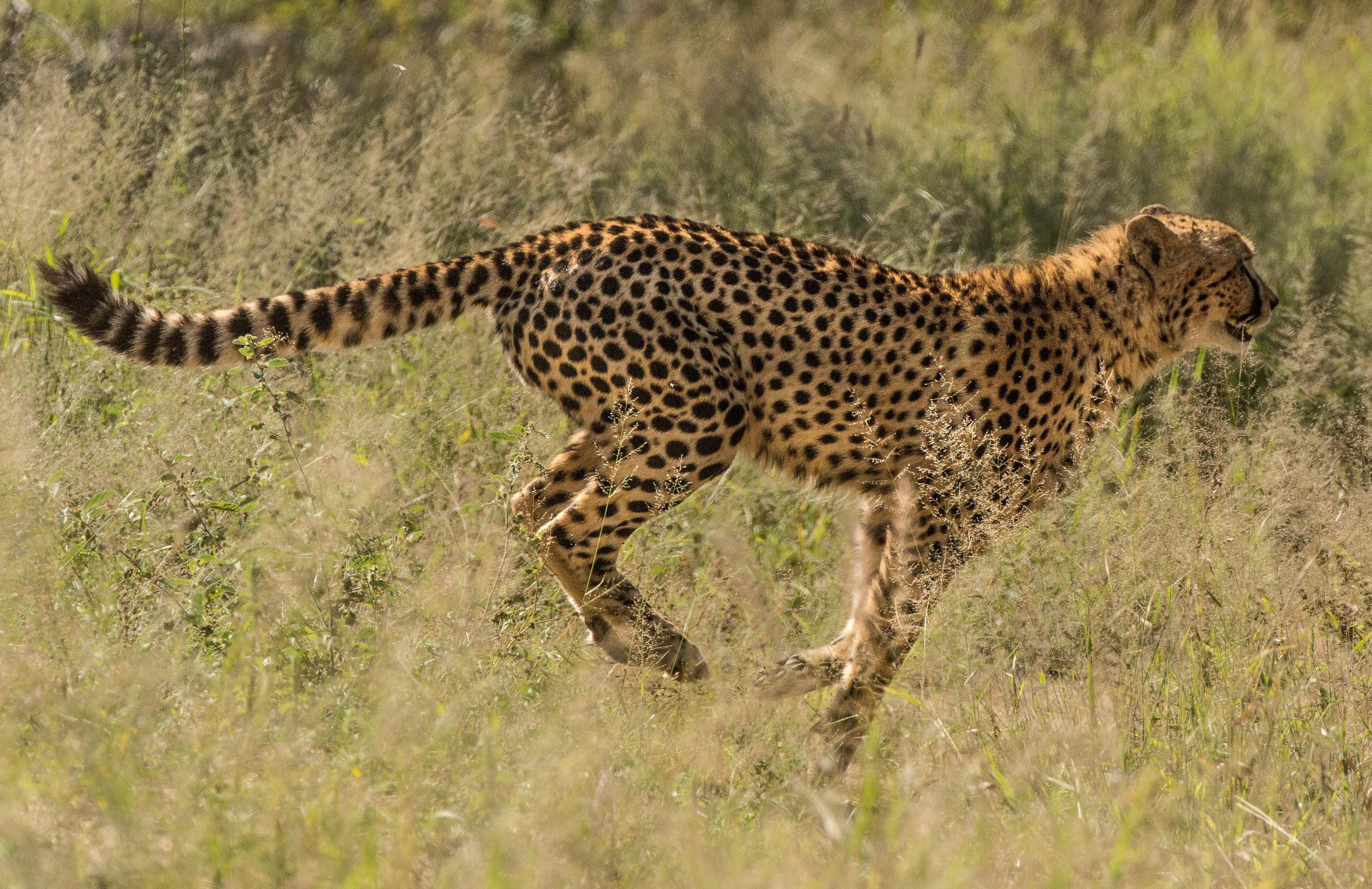
In the golden savannah light, a cheetah bounds across the sun-soaked grass, its sinewy body moving like a well-oiled engine. With a graceful flick of its tail, it seems to dance through the air, as though the very ground beneath it has become a mere suggestion. Watching closely, one might notice an unexpected detail: the cheetah’s eyes darting not just ahead, but occasionally cast back—perhaps an unacknowledged appreciation for the freedom of a fleeting moment, or just a cautious reminder that vigilance is key even in a world of speed.
As the fastest land animal, the cheetah embodies not only agility but also a notable emotional landscape. This sleek predator, in its ephemeral pursuit of prey, exemplifies what scientists term "calculated risk-taking." According to recent studies, cheetahs experience an average vigilance duration of approximately 29 seconds before focusing entirely on their sprint. This is crucial because maintaining this keen awareness allows them to assess their surroundings, spotting potential threats or opportunities. Intriguingly, about 60% of cheetah chases end in failure, often due to distractions or environmental factors. This high turnover rate raises questions about their social dynamics; with only 10% of the population living in groups, social structure plays a subtle yet vital role in their hunting tactics.
When these majestic hunters engage in their lightning-fast endeavors, they exhibit significant physiological responses that underscore their emotional states. Despite their often composed demeanor, cheetahs can experience stress hormone levels that fluctuate significantly during the chase, highlighting a precarious balance between instinct and survival. Unlike many big cats, whose solitary pursuits can lead to higher stress levels, cheetahs demonstrate a nuanced behavior when in the company of family. Cheetah siblings, for instance, often share their hunting experiences—learning from each other can enhance their skills by up to 30%, emphasizing the value of social learning even in seemingly solitary pursuits.
To nurture both the physical and emotional well-being of these extraordinary creatures, particularly in captivity, understanding their behavioral cues is essential. Providing an enriched environment can reduce anxiety and improve overall health. Research suggests that integrating play activities that mimic hunting—perhaps by providing various obstacles and prizes hidden within their habitat—can bolster their natural instincts. Furthermore, maintaining a social group allows for interaction that mirrors their wild counterparts, fostering a sense of security and camaraderie that is vital for their emotional richness.
In the end, as the cheetah effortlessly glides through the tall grass, one cannot help but recognize the parallel between their existence and a universal human experience. The pursuit—be it for love, success, or belonging—often presents itself as a complicated dance of freedom and fear. Just as the cheetah navigates with instinct and strategy, we too weave through life, chasing our aspirations while remain alert to the world around us, ever mindful that the journey itself is a remarkable endeavor.
 Italiano
 Thai
Thai
 English
 French
 Spanish
 Portuguese
 Deutsch
 Turkish
 Dutch
Dutch
 Russian