


 New! Search Engine
 О нас
О нас
 Условия использования
 Конфиденциальность
 Contact
 Invest
Title
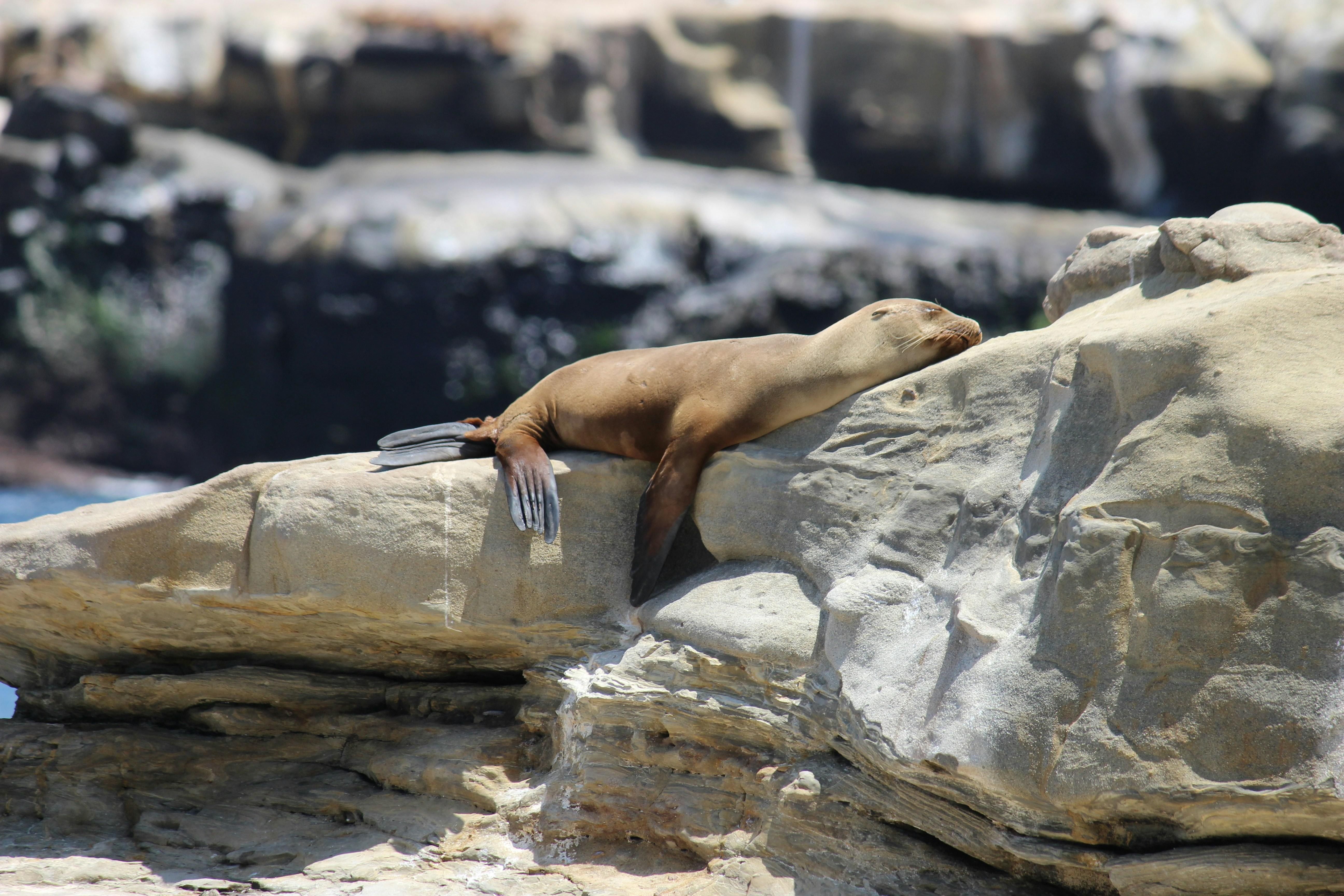
Sunbathing Seals: The Surprising Science Behind Their 25% Vigilance Rate
Article
On a sunbaked rock, a California sea lion sprawls leisurely, head resting on its forelimb like a beachgoer too relaxed to even notice the sunburn creeping in. With its flippers draped lazily over the edge, one wonders: does this sea lion provide the ultimate lesson in relaxation, or is it just waiting for the tide to chase it off its sunny throne? Beneath this comical facade, the sea lion's casual repose is a vibrant tapestry woven with evolutionary wisdom and social commentary.
While the surface-view of relaxation might seem straightforward, the intricacies of sea lion behavior uncover a fascinating blend of social dynamics and survival instincts. When basking in the sun, California sea lions exhibit an average vigilance rate of only 25%, significantly lower than that of their peers in active foraging modes, which can reach upwards of 70%. This temporary detachment from constant alertness is more than just a ploy for leisure; it's a calculated gamble. The sea lion's choice to lower its vigilance allows for restorative processes—essential for managing energy reserves—especially for females caring for pups. Contrary to the common belief that resting times signify weakness, they can also denote social hierarchy, as dominant individuals often claim the sunniest spots, leaving the less assertive members of the group to linger in the shadows—or, in this case, cooler stones.
The behaviors observed in this lounging sea lion mirror insights into stress and social structure. Just like humans, these marine mammals face fluctuating cortisol levels when subjected to environmental pressures. For instance, research suggests that during peak breeding seasons, stress hormones can increase by 60% among territorial males. As the sun warms its slim body, our sea lion melts into its surroundings, momentarily escaping the competitive fray and stress that characterize its daily life. Such findings reveal a profound connection between behavioral states and the underlying physiological processes in these marine mammals.
For intrepid wildlife enthusiasts and animal guardians alike, our sunbathing friend offers more than a picturesque sight—it serves as a reminder of the balance needed between social pressures and restorative behaviors. If you manage a captive environment or are an advocate for marine mammals, consider incorporating structured resting periods into their daily regimes. Research indicates that allowing for adequate downtime—a minimum of three hours in a 24-hour cycle—can lead to notable decreases in aggression and detrimental stress indicators.
In the end, the relaxed sea lion offers a poignant reflection of our shared existence. Just as this creature demonstrates the art of unwinding amidst the tides of life, we, too, must remember to embrace moments of stillness and peace. Perhaps, nestled between the ebb and flow of obligations, lies a simple truth—life, much like the sea, is best savored through both action and repose.
 Russian
 Thai
Thai
 English
 French
 Spanish
 Portuguese
 Deutsch
 Turkish
 Dutch
Dutch
 Italiano