


 New! Search Engine
 About
About
 Términos
 Privacidad
 Contact
 Invest
Kestrels Keep an Eye: The Surprising Vigilance of Small Birds of Prey
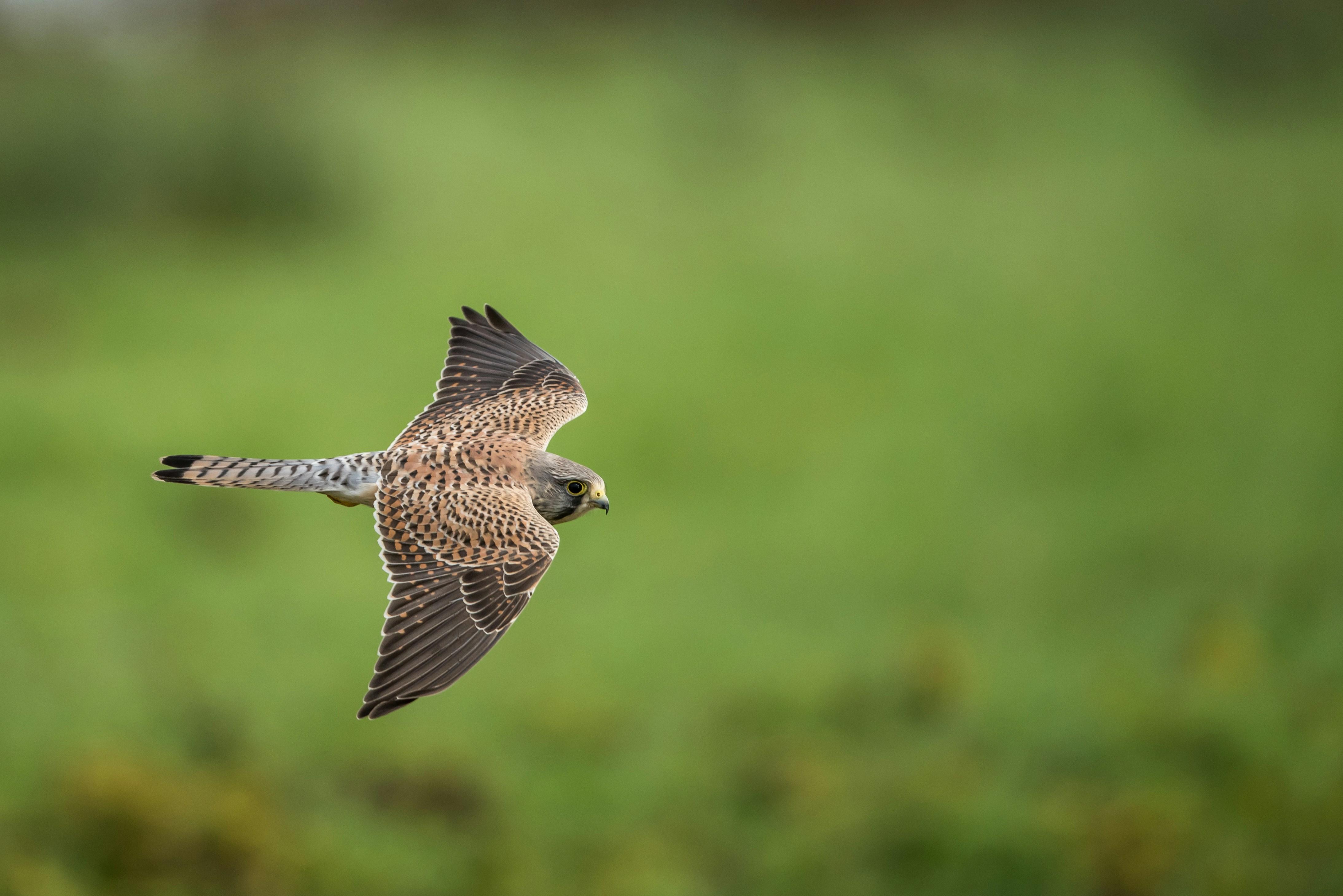
In the golden light of dawn, a kestrel effortlessly carves the air, poised mid-flight with keen eyes scanning the ground below. It’s a scene that evokes both admiration and a tinge of humor. One can't help but wonder if this small raptor is silently critiquing the many uncoordinated squirrels flaunting their acrobatics while oblivious to its presence. With wings outstretched and a gaze so focused, the kestrel embodies the essence of a skilled observer, an avian sentinel in pursuit of breakfast—and perhaps a touch of morning drama.
Kestrels are remarkable for their intense vigilance, a behavioral trait that enhances their hunting success. Research reveals that these small falcons can maintain an average vigilance duration of approximately 30 seconds at a time while hovering. This behavior allows them to detect even the slightest movement in the foliage below, ensuring no potential meal escapes their sharp gaze. Interestingly, studies have shown that up to 40% of a kestrel’s hunting attempts are successful when they hover for extended periods, displaying a unique blend of patience and precision. This vigilant stance draws upon their stress hormone fluctuation, which can spike to three times higher than baseline levels during prolonged observation, underscoring their commitment to the hunt.
Understanding the nuanced emotional states of kestrels during these moments can enhance our appreciation for their intelligence. When hovering—while meticulously scanning their surroundings—they exhibit a balance of excitement and anxiety. The thrill of potential prey is tempered by the ever-present threat of larger predators, a reminder of nature's constant dance between hunter and hunted.
For those passionate about fostering wildlife habitats, especially around their homes, consider planting diverse vegetation that supports small prey species like voles and mice, pivotal in a kestrel's diet. Providing ample foraging grounds can increase the likelihood of spotting these enchanting birds in flight. Nitrogen-rich plants are particularly beneficial, supporting plant biodiversity, which can, in turn, support up to a 25% increase in local prey populations. Creating such environments does not merely help kestrels; it can turn your garden into a vibrant ecosystem thriving with life.
Ultimately, watching a kestrel in flight is more than just observing a bird; it serves as a powerful reminder of the delicate equilibrium within nature—a balance we, too, are striving to maintain in our lives. As we rush from obligation to obligation, perhaps we can learn from these steady predators, embracing moments of pause to observe, appreciate, and ultimately understand the intricate web of life that surrounds us. In this respect, the kestrel's focused gaze is a call to open our eyes—not just to the world of nature but to the intricate tapestry of existence that connects us all.
 Spanish
 Thai
Thai
 English
 French
 Portuguese
 Deutsch
 Turkish
 Dutch
Dutch
 Italiano
 Russian