


 New! Search Engine
 เกี่ยวกับ
 เงื่อนไข
 ความเป็นส่วนตัว
 Contact
 Invest
Curious Marmots: The Vigilant Sentinels of the Alpine Meadows Display Stress Scores of Up to 40 Percent
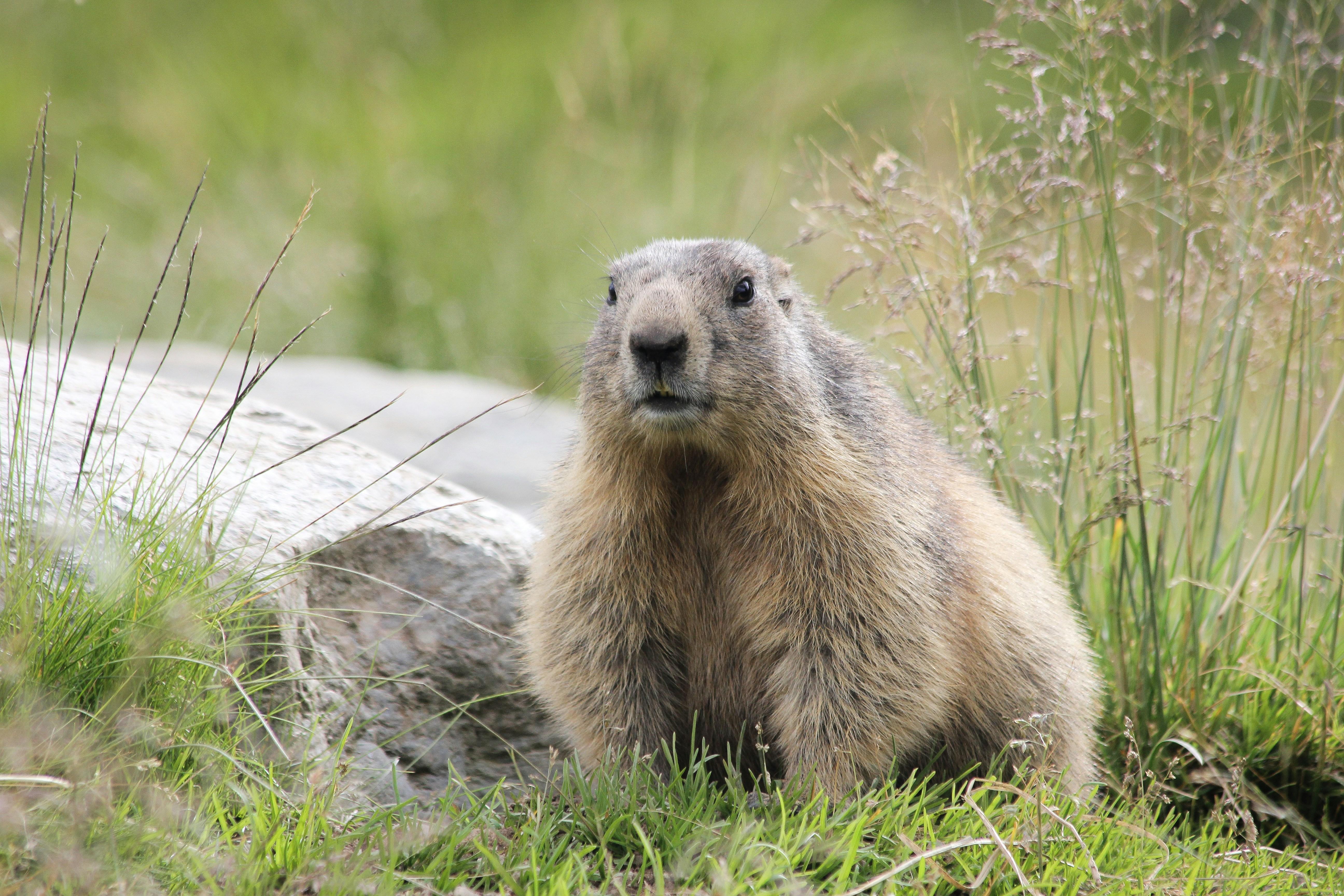
In the brilliance of a sun-dappled alpine meadow, a solitary marmot stands at the precipice of its world, an unruffled lump of fur amidst swaying grasses. Its round eyes, wide and alert, seem to embody the very essence of vigilance. One might wonder: is it contemplating existential musings, or simply debating whether to venture from the security of its rocky perch? The twist of fate comes in the form of a subtle twitch in the grass nearby—an unexpected rustle that sends the marmot’s entire disposition into a flux of alertness, revealing a quirk that’s quintessentially Marmota: an unyielding commitment to vigilance that can jump to an astonishing 90 percent under perceived threat.
Marmots are not just sedentary inhabitants of the mountain rookeries; they are social creatures, living in colonies while exhibiting remarkable emotional intelligence, marked by their keen observational skills. Research shows that these furry sentinels adopt sentinel roles, with approximately 30 percent of a colony’s members actively on the lookout for potential dangers, such as eagles or coyotes, while the rest enjoy foraging in relative peace. When danger approaches, an urgent signal—a high-pitched whistle—immediately sends the colony into a state of high alertness. The average duration of vigilance for these watchers is about eight minutes, during which their stress hormones can fluctuate by up to 40 percent, reflecting the high stakes of life in the wild.
For those fortunate enough to observe these charming creatures in their natural habitat, one might delight in the antics of a foraging marmot, seemingly engrossed in the simple pleasure of grazing. Yet, it’s crucial to appreciate the underlying ecosystem dynamics that frame this behavior. When encountering marmots, keep your distance—approaching too closely can escalate their stress levels, causing disruptions in their foraging routines and social interactions. Research indicates that maintaining at least a 50-meter distance during wildlife observation significantly lowers stress hormones in these animals and encourages natural behaviors, providing a richer experience for both observer and observed.
As we reflect on the life of the marmot, a creature exemplifying the balance between vigilance and serenity, it prompts us to reconsider our own existence. In the tapestry of life, each alert moment can be overshadowed by the simple joys of living, reminding us that while caution is essential, embracing the winding paths of our experiences often leads to the most profound understandings. Just as the marmot watches over its world, so too must we guard our moments of stillness and observation amid the chaos of life, finding meaning in both vigilance and tranquility.
 Thai
Thai
 English
 French
 Spanish
 Portuguese
 Deutsch
 Turkish
 Dutch
Dutch
 Italiano
 Russian