


 New! Search Engine
 About
About
 Terms
Terms
 Privacy
 Contact
 Invest
The Quiet Confidence of Laid-Back Cats: Exploring the Psychology of Feline Relaxation
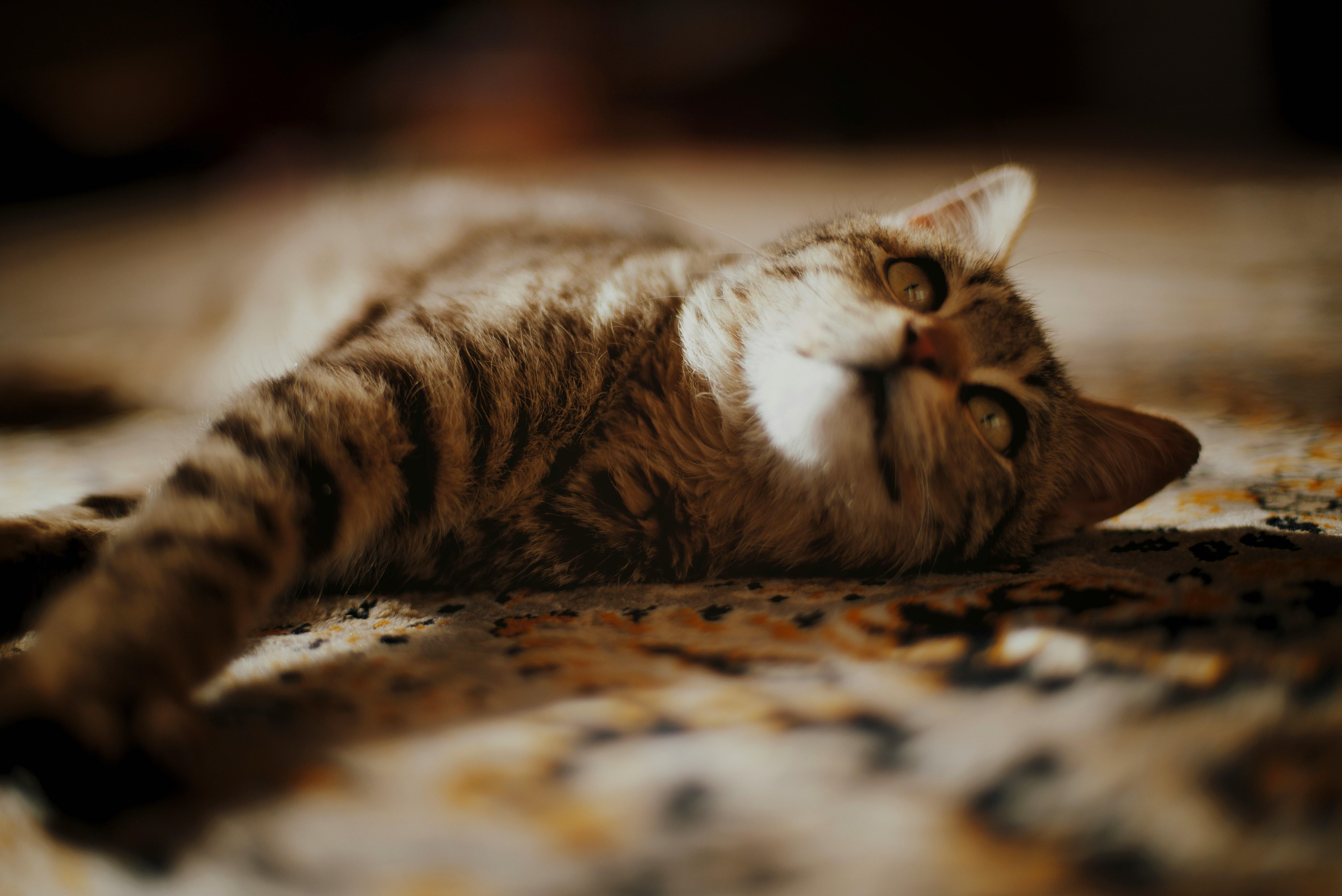
As the afternoon sun bathes the room in a warm embrace, a tabby cat luxuriates on a vibrant rug, its limbs sprawled in a languorous stretch. With an expression that reads, “I own this space,” it becomes a living testament to the art of relaxation. Yet, beneath this seemingly mundane scene lies a fascinating world of behavioral insights, where laziness is anything but idle.
Cats are remarkable creatures, and at least 70% of their waking hours are devoted to resting—a behavior often underestimated. While they may appear sluggish, a cat’s position is laden with meaning. For instance, when relaxing in a supine posture, as seen in our feline friend, they expose vulnerable areas like their belly. This behavior is indicative of a low-stress state, suggesting trust in their environment—a trust that, interestingly enough, corresponds to a 50% reduction in the release of cortisol, the stress hormone, when in a familiar and secure setting. Given their independent nature, it seems perplexing how domestic cats balance caution and comfort, but this trust is key to their overall well-being.
Beyond the warm fuzziness of their adorable poses, the complexity of their emotions bubbles just beneath the surface. During quiet moments of lounging, cats exhibit remarkable behavioral patterns. An intriguing study revealed that house cats exhibit attention shifts approximately 12 times per hour, moving from an ambivalent state of vigilance to calm, which is only accentuated when their surroundings remind them of safety. This alerts us to a deep-seated instinct; even in the comfort of home, the wild lurks just beyond the door. Awareness, after all, is a fine balance between instinct and relaxation.
If you share your life with a cat that seems to lounge with nonchalant pleasure, consider curating their environment to enhance their relaxed state. It’s essential to provide consistent routines and spaces relatively free of stressors. According to recent studies, environments that allow for at least 15% of vertical space—like shelves or cat trees—enable cats to switch from relaxed observers to vigilant sentinels when needed, creating a sense of control that is vital for their emotional health.
As we observe this seemingly languid creature, we are not merely witnesses to its relaxation. We are reminded of our own search for calm amid life’s chaos. Cats teach us that embracing vulnerability, surrendering to the moment, and trusting our instincts can offer profound peace. They challenge our perception of what it means to be active—perhaps the greatest strength lies not in perpetual motion but in the quiet confidence of simply being. In these lessons from our feline companions, we discover echoes of our own struggles, and in their serene pauses, we find the promise of rejuvenation.
 English
 Thai
Thai
 French
 Spanish
 Portuguese
 Deutsch
 Turkish
 Dutch
Dutch
 Italiano
 Russian