


 New! Search Engine
 About
About
 Voorwaarden
 Privacy
 Contact
 Invest
Bright Feathers, Complex Minds: Understanding the Inner Workings of the Blue-and-Yellow Macaw
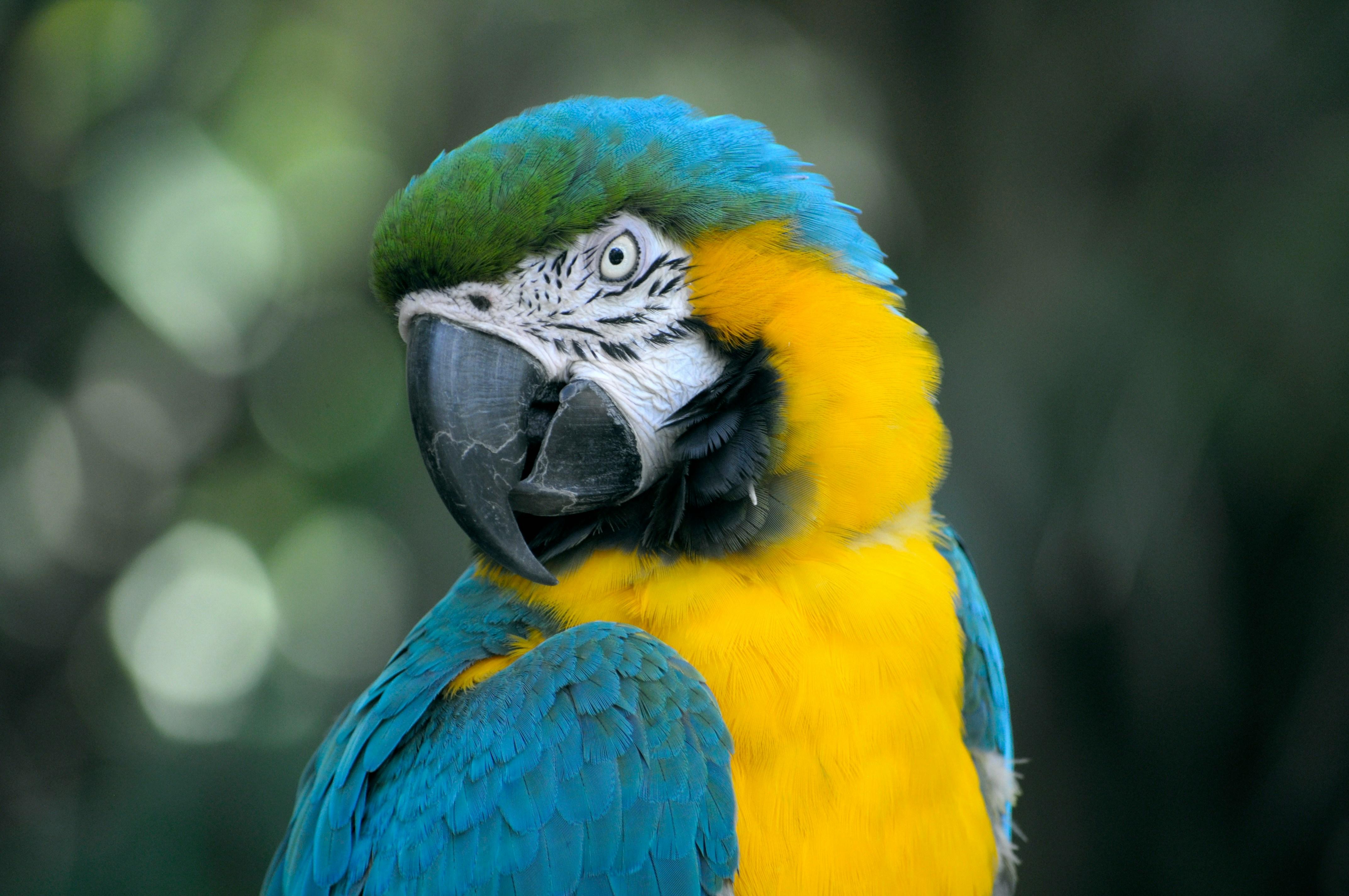
Perched in the dappled sunlight of a rainforest canopy, a blue-and-yellow macaw raises one eye toward the world—a curious gaze that hints at mischief and intelligence. With feathers as vibrant as a tropical sunrise and a beak that seems to possess its own personality, the macaw both dazzles and intrigues. Ever notice how, despite a backdrop of lush greenery, these birds linger in the eye of the beholder? One unexpected detail: their intense, sidelong glances often precede bursts of vocal mimicry that could rival a stand-up comedian’s timing.
Understanding the emotional state of a blue-and-yellow macaw involves more than just observing its beauty. These intelligent birds engage in complex social behaviors frequently unseen outside their natural habitat. Research indicates that macaws exhibit an average vigilance duration of approximately 20% of their active foraging time, a statistic that helps explain why they seem to pause so dramatically before making the next move. Even the most frivolous squawking is calculated; during high-stress situations, stress hormone levels can rise by as much as 50%, indicating a heightened state of alertness. Yet, paradoxically, they also display an extraordinary capacity for bonding. Approximately 75% of macaws in a flock will engage in communal preening, a behavior linked to social cohesion, emphasizing that for beings so colorful, their emotional lives are anything but simplistic.
For bird enthusiasts and pet owners alike, understanding these traits of macaws can enhance the welfare of such intelligent creatures. Providing them with opportunities for social interaction can reduce stress and foster healthier behaviors. Have you ever noticed how a neglected parrot might forgo vocalization and display signs of depression? Research shows that at least 68% of captive birds exhibit some form of destructive behavior when deprived of social contact. Effective strategies include enrichment activities that mimic their natural foraging behavior—think hanging food puzzles or varied perches that encourage exploration. These simple adjustments can reduce stress hormone fluctuations and create a more fulfilling life for macaws in our homes.
As we gaze into the shimmering eyes of a blue-and-yellow macaw, we are reminded of our shared experiences of curiosity and connection. Like these remarkable birds, we too seek companionship and engage in complex social interactions, whether through shared laughter, whispered secrets, or quiet moments of reflection. The macaw’s vivid existence elegantly ties into our universal stories of togetherness and the innate desire for meaningful relationships. In their colorful world, there lies a deeper truth: understanding the heart of another is the first step toward harmony, whether feathered or not.
 Dutch
Dutch
 Thai
Thai
 English
 French
 Spanish
 Portuguese
 Deutsch
 Turkish
 Italiano
 Russian