


 New! Search Engine
 About
About
 Koşullar
 Gizlilik
 Contact
 Invest
Title
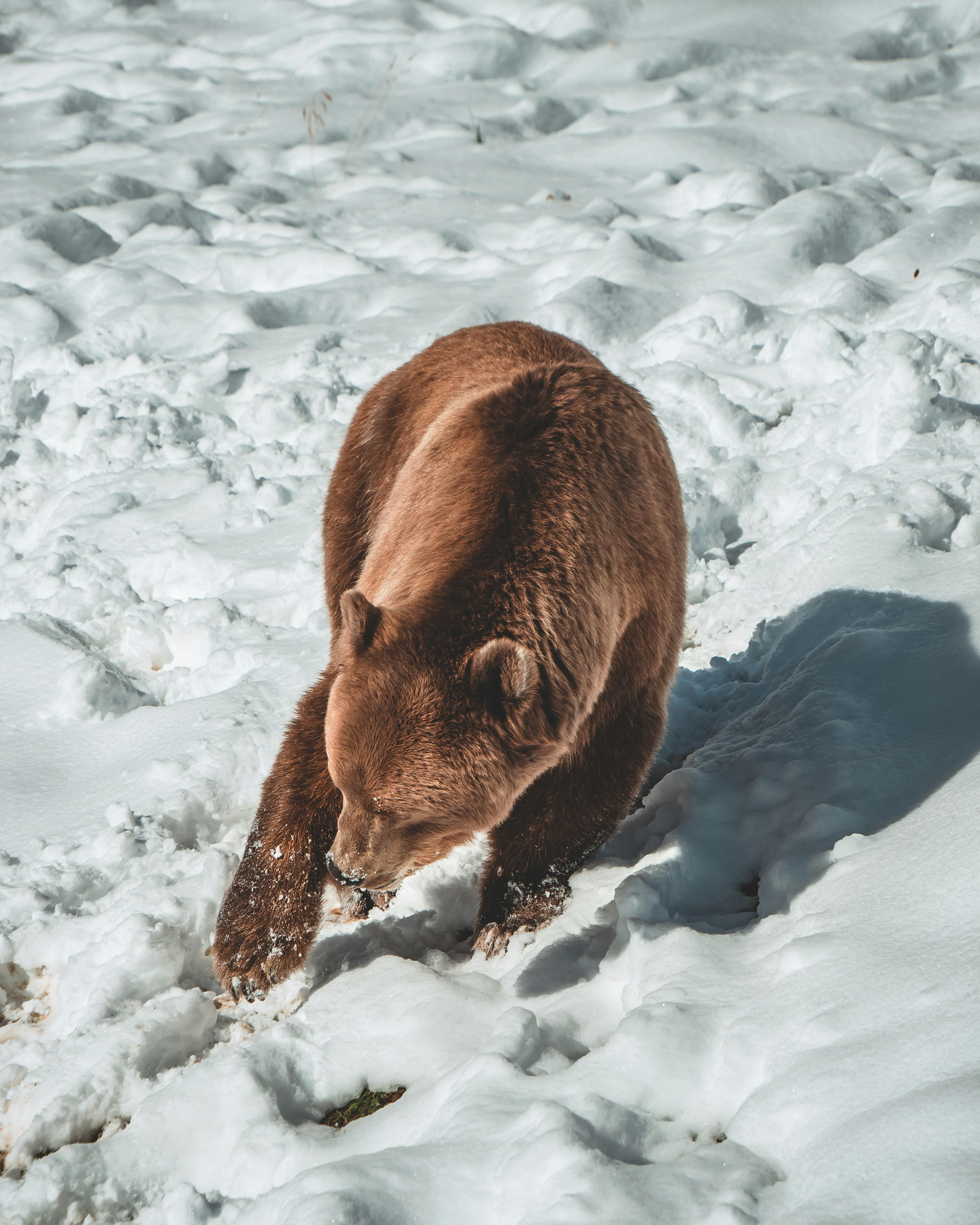
Bears, Snow, and Sudden Curiosities: A Glimpse into a Grizzly's Winter Rituals
Article
In the stark winter landscape, a solitary brown bear shuffles through a blanket of snow, its massive paws breaking the surface with soft thuds. The scene is almost comical, as the bear, often portrayed as a lumbering giant, adopts a surprisingly delicate posture while sniffing intently at the ground. What could be so enticing beneath the frosty veneer, you might wonder? Perhaps it’s the scent of a buried treasure from the fall—a cache of berries or roots now hidden under a thick layer of snow.
This bear's behavior reveals not just curiosity but also a complex emotional landscape driven by instinct and seasonal survival. As winter progresses, bears often exhibit an increased vigilance, peering over their shoulders more frequently, with a staggering 60% of their time dedicated to scanning their surroundings for potential threats. This heightened awareness is essential for their survival, especially when foraging during a period when their food sources are scarce. While the average vigilance duration for many wildlife species rests around 20 seconds, a brown bear can maintain its focused alertness for up to 90 seconds, a testament to their adaptability and the unforgiving nature of winter's challenges.
Bears also exhibit intriguing foraging techniques: they employ both scent and tactile hunting strategies, often utilizing their powerful claws to dig through the frosty crust in search of food. Remarkably, it’s estimated that up to 80% of their foraging success during winter comes from such persistent digging behaviors. This bear's gentle pawing is a study in focus, showcasing an innate understanding honed over generations.
For those who may encounter these magnificent creatures in the wild, particularly in winter, it's vital to respect their space and understand their behavior. When observing a bear, maintain a safe distance—ideally 100 yards—and remain silent as you watch. This not only ensures your safety but minimizes the animal's stress response. Research has shown that sudden disruptions can elevate stress hormone levels in bears, potentially affecting their overall health; therefore, understanding and respecting their environment can lead to healthier wildlife populations.
In conclusion, watching a bear—solo in the snow—offers a poignant reminder of nature's intricacies and the universal quest for sustenance. Just as we navigate our own complexities in search of comfort and security, these bears epitomize the resilience needed to face a harsh world that offers both charm and challenge, inviting us to reflect on our shared journeys through survival and connection.
 Turkish
 Thai
Thai
 English
 French
 Spanish
 Portuguese
 Deutsch
 Dutch
Dutch
 Italiano
 Russian