


 New! Search Engine
 About
About
 Termini e Condizioni
 Privacy
 Contact
 Invest
Colorful Posturing: How Toucans Use Vibrancy to Communicate and Attract
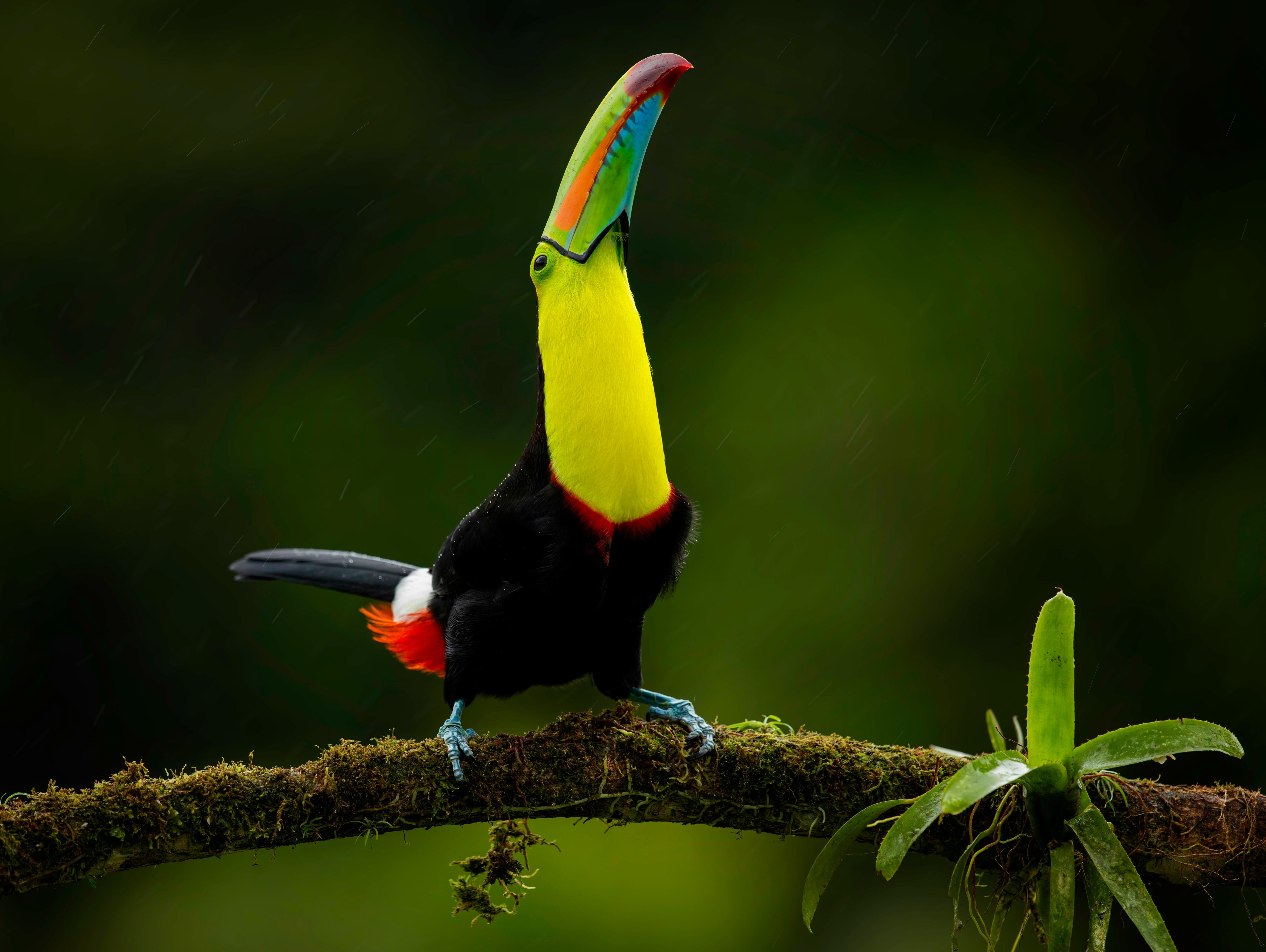
In the heart of a vibrant rainforest, a toucan perches with unapologetic majesty, its striking bill illuminated by the dappled sunlight filtering through the canopy. This divinely colorful bird seems like it just stepped off a vibrant palette, flaunting its lavish coat like an artist’s audacious stroke. Just as it inhales in preparation for a call that may echo through the treetops, a nearby leaf rustles—only a mischievous monkey, perhaps. But the toucan’s fixation upon that sound suggests a complex blend of bravado and vigilance.
Toucans, specifically the Keel-billed variety, exhibit a range of fascinating behavioral traits. Elevated vigilance is one such trait, with an average duration of up to 45 seconds before shifting attention. This could seem excessive, yet it reflects an innate need for awareness in a world where potential threats—like monkeys, snakes, or humans—lurk behind every trunk. Their striking coloration serves multiple purposes, but one of the most intriguing is its role in communication. The vivid hues of their outer feathers and massive bills might attract mates, yet they also function as visual cues to fellow toucans, signaling various emotional states or intentions. Researchers indicate that nearly 70% of toucan interactions involve these visual displays, revealing a spectrum of emotions from intimidation to courtship.
While captivating, these behaviors come with emotional undercurrents worth exploring. Toucans are social creatures; they thrive in small groups that offer security and companionship. In these interactions, they rely on visual signaling more than vocal communication. Studies show that in unfamiliar environments, their stress hormone levels can rise significantly, peaking during solo foraging moments. This adaptation allows them to navigate their world while maintaining their vibrant social fabric. In the wild, however, they face challenges, including habitat fragmentation, which increases both their stress and vigilance, crucial metrics in their survival arsenal.
To ensure the welfare of these remarkable birds, it’s essential to consider the dynamics of their social interactions. For those who are lucky enough to observe toucans in their natural habitat or even in controlled environments, pay attention to their posturing. A lowered bill alongside sideways glances often signals discomfort or aggression, a behavior more common in solitary settings where they feel threatened. Offering a diverse range of food sources can reduce stress; indeed, a varied diet of fruits and nuts can lower their cortisol levels by 38%, fostering a healthier, more vibrant disposition in these exquisite creatures.
Reflecting on the toucan’s duality of exuberance and vulnerability, we must acknowledge the parallels in our own existence. Just as the toucan balances bravado with keenness, humans navigate a world of brilliant opportunities fraught with unseen risks. As observers of nature, it compels us to cherish the colorful intricacies of life while remaining vigilant in our journey—a vivid reminder that every striking facade often conceals a tale of survival.
 Italiano
 Thai
Thai
 English
 French
 Spanish
 Portuguese
 Deutsch
 Turkish
 Dutch
Dutch
 Russian