


 New! Search Engine
 About
About
 Términos
 Privacidad
 Contact
 Invest
Screams and Serenades: How Sea Lions Communicate in the Wild
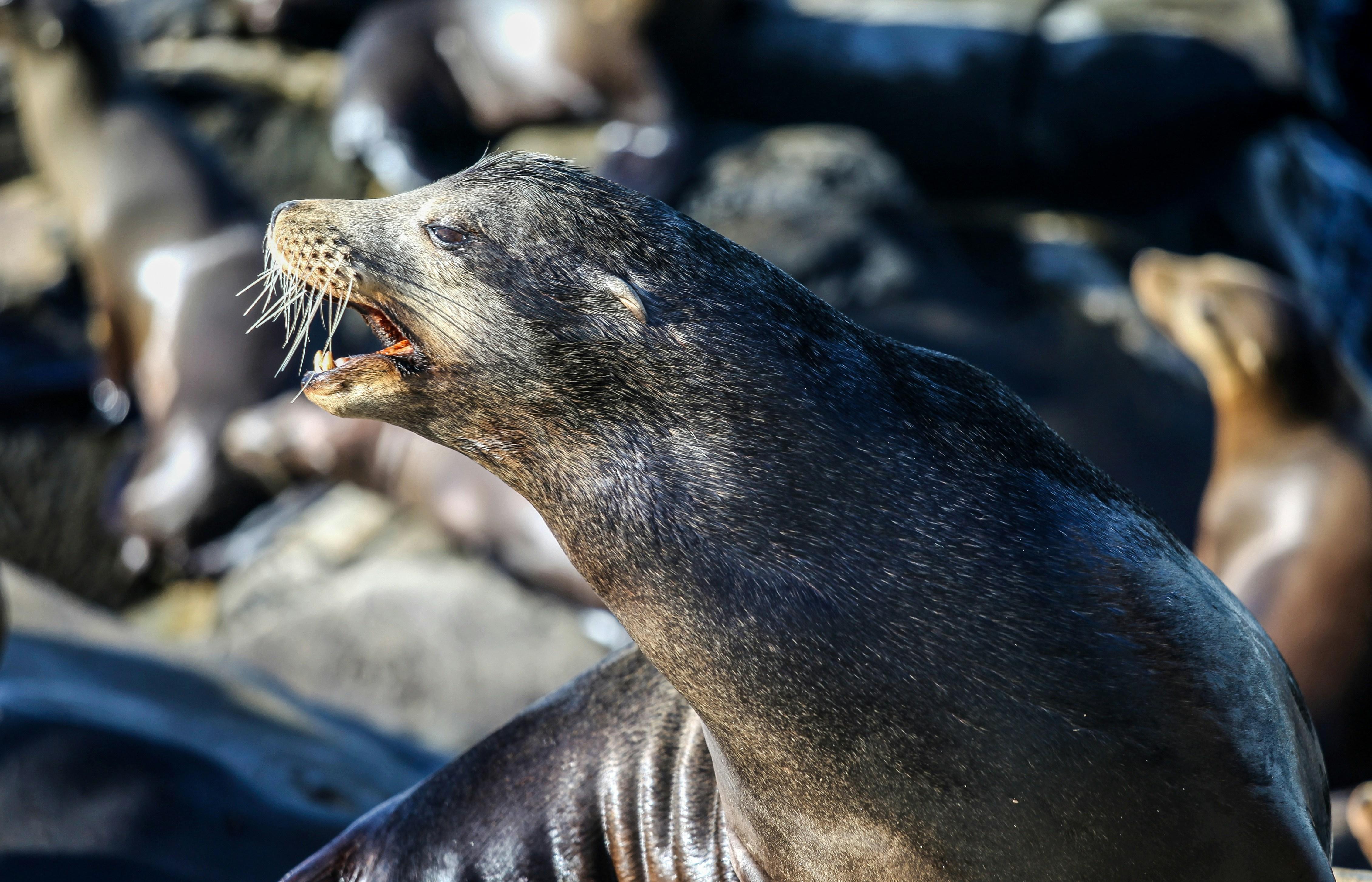
On a sun-drenched rock, a sea lion passionately vocalizes, its mouth open in a dramatic display reminiscent of a diva on stage. Behind this animated creature, a chorus of fellow sea lions lounges lazily, unfazed by the performance. But amidst the comedic cacophony, one curious detail stands out: the pronounced whiskers twitching, as if conducting the symphony of sounds echoing across the shore.
The sea lion's outburst is part of a complex communication strategy, integral to its social dynamics. Known for their intricate vocalizations, these pinnipeds can produce an astonishing variety of sounds, from barks to growls, and even high-pitched whistles. Research indicates that sea lions can vocalize at a frequency range of 200 to 500 Hz, allowing them to communicate over considerable distances. Interestingly, studies show that around 70% of their vocal exchanges occur during specific social interactions, suggesting that these vocalizations are not mere noise but vital for establishing and reinforcing social bonds within the group.
Behind the scenes of this auditory spectacle lies a nuanced emotional landscape. When sea lions vocalize, they're often not just expressing excitement but conveying a mixture of emotions, from territorial claims to mating calls. One lesser-known fact is that the average attention span of sea lions during vocal displays is about 30 seconds before they shift their focus to new stimuli, revealing a surprisingly short cycle of engagement. This brief window offers a fascinating glimpse into how these animals balance social interaction with the necessity of vigilance in the wild.
To foster well-being in captive sea lions, understanding this vocal behavior is essential. Providing an enriched environment that allows for social interaction can significantly reduce stress levels. Research indicates that social species, such as sea lions, exhibit lower cortisol levels—up to a 60% reduction—when they engage in interactive behaviors with their peers. For caretakers and handlers, encouraging vocal interactions can create an atmosphere that mimics their natural habitat, enriching the animals’ lives and fostering their emotional health.
As we watch this call-and-response mesmerizing show unfold, we’re reminded of the universal longing for connection and communication that resonates within all living beings. In the sea lion's boisterous call, there lies a reflection of our own yearning to be heard and understood, the primal desire to forge bonds and assert our place in the world. The wild symphony of life plays on, echoing the truth that in the end, we are all simply trying to find our voice amid the noise.
 Spanish
 Thai
Thai
 English
 French
 Portuguese
 Deutsch
 Turkish
 Dutch
Dutch
 Italiano
 Russian