


 О нас
О нас
 Условия использования
 Конфиденциальность
 Contact
 Invest
Squirrels in the Spotlight: How Vigilance and Munching Habits Reveal More Than You Think
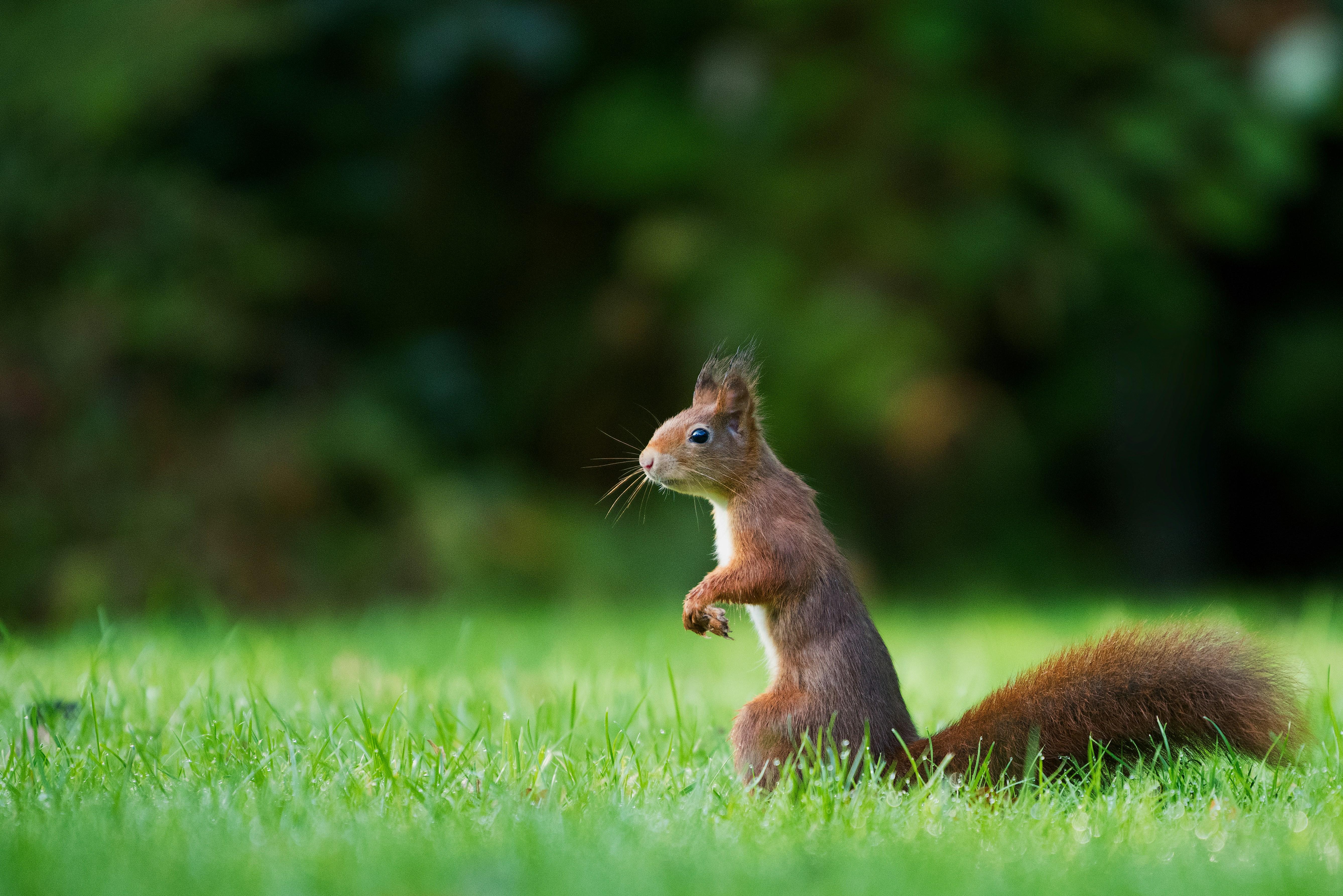
In the dappled light of a late afternoon, a red squirrel adopts the quintessential pose of vigilance—perched upright, with paws clasped and ears twitching to catch every rustle of grass. With a half-eaten acorn cradled in its hands, it seems less like an ordinary squirrel and more like a fur-coated philosopher lost in thought, contemplating the complexities of nut-hoarding strategies. If only it could convey the inner turmoil of deciding whether to camouflaged snack or keep watch for lurking predators.
This vigilant stance is not merely for show; it reflects a complex interplay of emotions and intentions among these small creatures. Red squirrels exhibit an average vigilance duration of approximately 20 seconds when they sense potential threats. Their acute awareness comes partly from the notable fact that about 40% of their waking hours are spent actively assessing their surroundings. In the wild, this level of alertness can spell the difference between life and death, especially given that red squirrels are preyed upon by hawks, foxes, and even larger mammals. When standing with their toes digging into the earth, they can shift their focus, alternating attention between foraging and scanning the environment—an estimated 30 attention shifts per minute, a remarkable indicator of their anxiety levels and behavioral intent.
The red squirrel's behavior also reveals intriguing insights into its emotional state. When they sense danger, the fluctuations of stress hormones, particularly cortisol, increase significantly. One study noted that juvenile squirrels exhibited twice the normal cortisol levels when in the proximity of potential threats. This biochemical reaction highlights that even the smaller inhabitants of our ecosystem experience stress in ways that resonate with our own lives, sparking a burst of empathy for their perpetual state of hyper-awareness.
For those fortunate enough to observe these delightful creatures in nature, or even in urban parks, aiding their well-being goes beyond simply providing food. Focus on creating environments that mimic their natural habitats, offering plenty of trees and bushes for refuge. Research indicates that squirrels benefit from a varied diet—approximately 50% more nutritionally rich when their environment includes nuts, seeds, and vegetation. This variety is crucial for both their physical health and their mental well-being since a balanced diet can lower tension and stress levels.
As you sit back and watch this furry philosopher contemplating its next move, consider a world less driven by frantic alerts and anxieties. The red squirrel stands as an emblem of our own wrestle with uncertainty in this dynamic universe. Its simple quest for food, safety, and connection resonates with the human experience—a universal reminder that while we navigate the complexities of life, sometimes all we need is a moment of stillness to appreciate what really matters.

 Thai
Thai
 English
 French
 Spanish
 Portuguese
 Deutsch
 Turkish
 Dutch
Dutch
 Italiano