


 New! Search Engine
 About
About
 Koşullar
 Gizlilik
 Contact
 Invest
The Secrets of Hummingbird Vigilance: How These Tiny Titans Determine the Risks of Flower Foraging
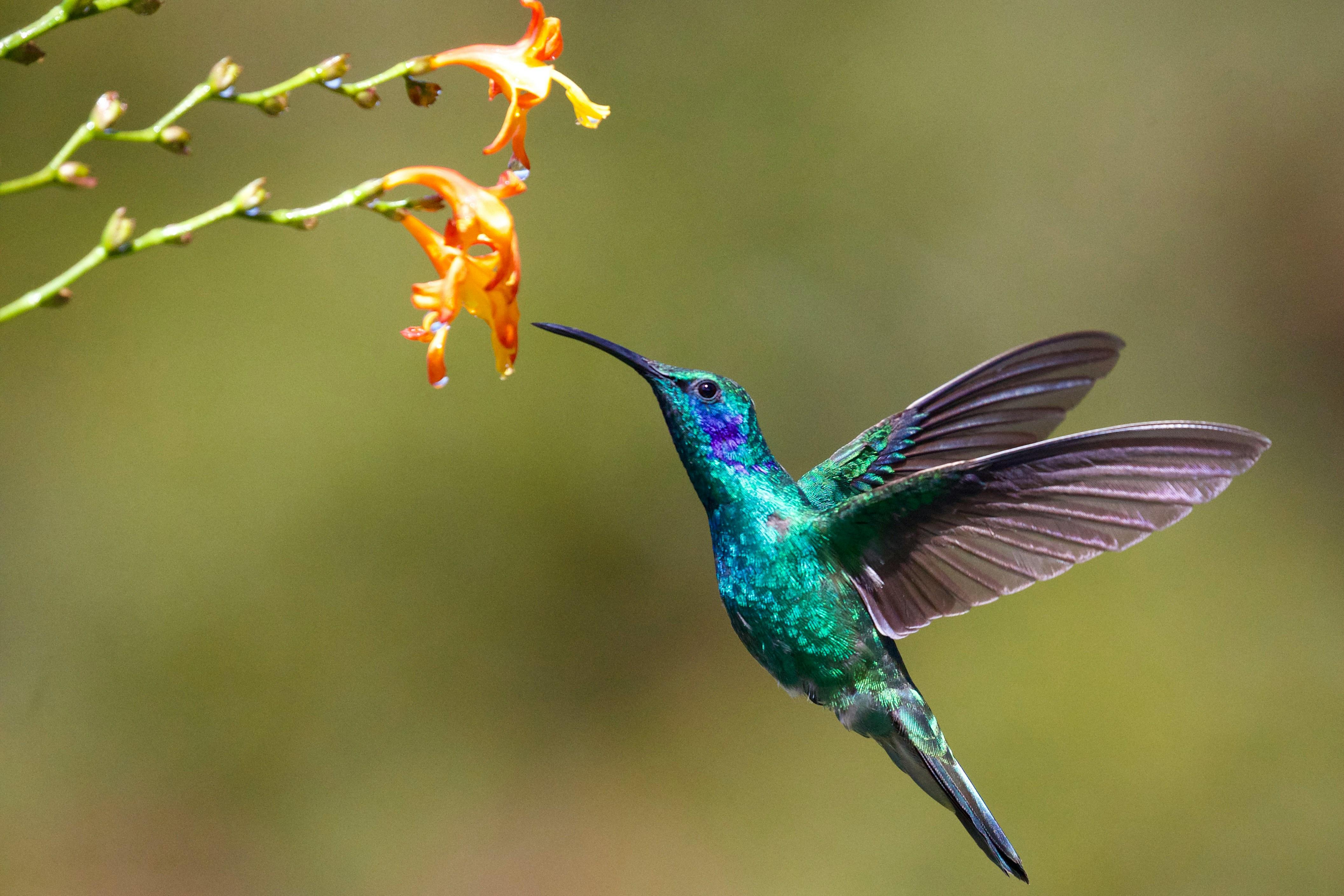
Suspended in mid-air, the hummingbird flutters before a vibrant bloom, its iridescent plumage shimmering like precious gemstones in the sunlight. It hovers with remarkable stillness, a feat that seems almost impossible for a creature weighing less than an ounce. Yet, remarkably, this minute marvel may be more than just a fearless nectar thief; it’s a tactical forager, finely attuned to the subtleties of its environment. In this moment, the loudest noise is silence, yet beneath this tranquil façade lies a complex layer of survival instincts.
Hummingbirds, known for their rapid wing beats, possess an exquisite sensitivity to both their surroundings and their own physiological state. Recent studies have unearthed intriguing insights: these birds can spend up to 80% of their time in vigilance as they scan for both potential predators and rival males. This extended vigilance duration is particularly notable given their energy-intensive lifestyle; they must consume more than their body weight in nectar daily to fuel their frenetic activity. Furthermore, during flowering seasons, the average successful foraging attempt is punctuated by brief bouts of risk assessment, representing up to 15% of their foraging behavior. This goes beyond mere instinct; it suggests a nuanced cognitive capacity for assessing threats while engaging with the very flora that sustains them.
In the vibrant dance between flower and hummingbird, practitioners of wildlife conservation gain practical wisdom. Those caring for backyard feeders can enhance the experience for these aerial acrobats by placing feeders near sheltered spots, allowing them to feel safe while accessing their sugar-rich sustenance. Studies show that hummingbirds are less likely to approach feeders that lack a clear pathway to escape—a finding that underscores the necessity of creating a safe haven in their feeding territories. Moreover, research indicates that offering a variety of flowering plants can increase visitation rates to feeders by nearly 30%, not just enhancing their sustenance but also drawing these vivid creatures into our shared spaces.
Reflecting on the precision of a hummingbird’s flight—its wings racing at up to 80 beats per second—we are reminded of the delicate balance of existence. These tiny creatures embody resilience and adaptability, their every meal a combination of instinct, intelligence, and acute awareness. Like the hummingbird’s quest for nectar, we too navigate life with moments that demand attention, vulnerability, and daring choices. In the stillness of their hover lies a poignant parallel to our shared human experience: to find sustenance, we must first understand the world around us.
 Turkish
 Thai
Thai
 English
 French
 Spanish
 Portuguese
 Deutsch
 Dutch
Dutch
 Italiano
 Russian