


 New! Search Engine
 Sobre
Sobre
 Termos
 Privacidade
 Contact
 Invest
The Secret World of Feline Communication: Why Cats Exhibit 40 Percent More Vocalizations When They Spot Prey
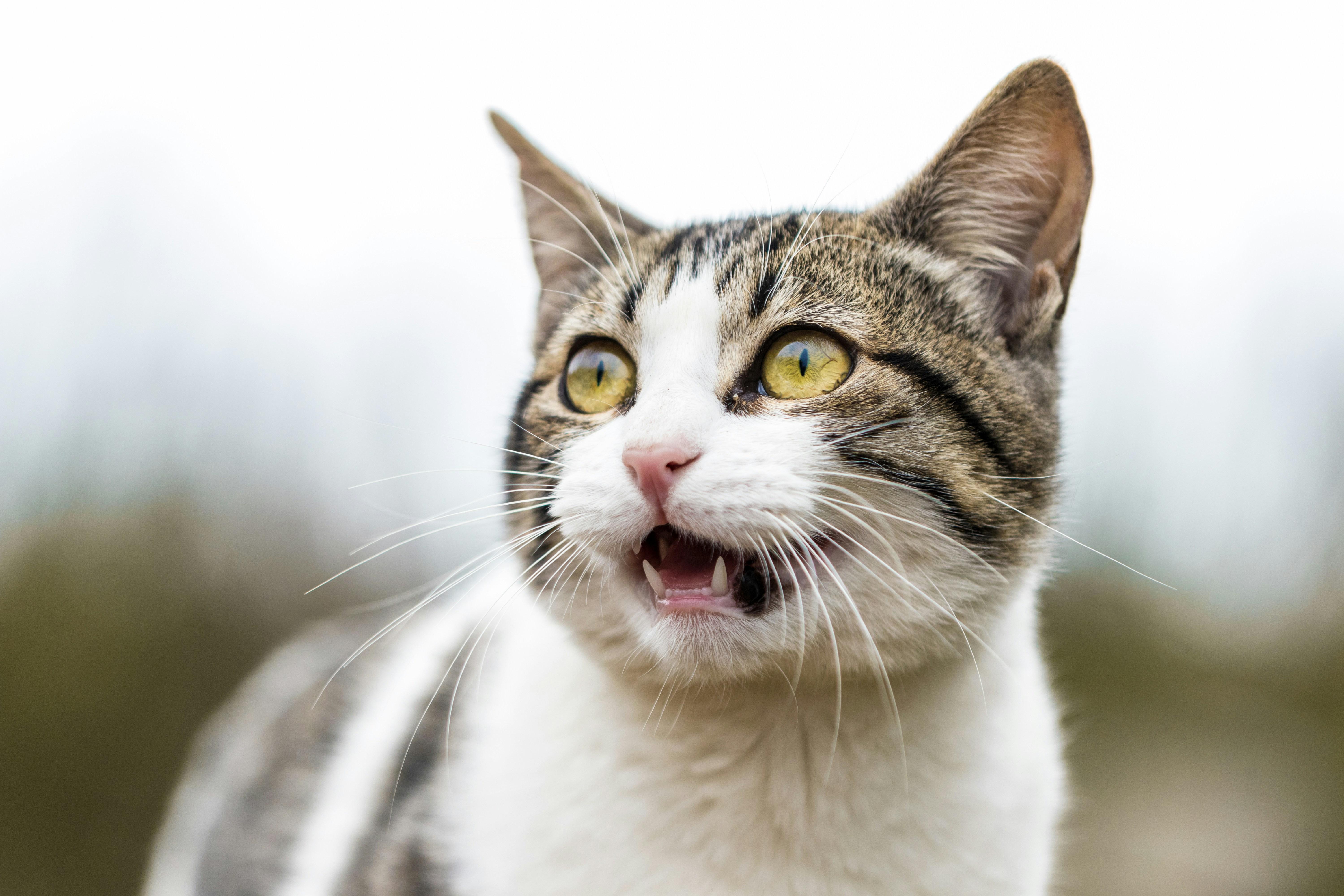
It’s a familiar scene; a cat stares intently into the distance, its wide, glowing eyes betraying a world of excitement just beyond reach. The minute details are captivating: the slight quiver of its whiskers, the twitch of its ears, and that tantalizing gap in its mouth, reminiscent of the anticipation one feels when holding a fresh slice of pizza just out of reach. But what captivates the feline is not a cheesy delight; it’s the thrill of the hunt, a moment encapsulating both strategy and emotion.
When a domestic cat spots potential prey, its behavior shifts keenly, producing a whirlwind of internal and external signals. Research suggests that these felines exhibit an astonishing 40 percent increase in vocalizations when prey is in sight—a behavior known as “solicitation calling.” This communication is not just an echo of excitement; it serves multiple social functions, such as signaling urgency, ambiguity, and even establishing a rapport with nearby companions. It’s as if the cat is sharing a secret thrill with the world, an invitation to join the chase or, at the very least, to witness its prowess.
The emotional state of a cat in ‘hunting mode’ offers fascinating insights beyond the increased vocal pitch. Their average vigilance duration, while stalking, is approximately 14 seconds—enough time for the heart rate to spike, reflecting their heightened alertness. In those moments, a cat's cortisol levels can increase significantly, revealing a complex relationship between perceived threat and arousal. Observing from a distance, one can't help but appreciate how instinct and emotion converge, painting a vivid picture of nature at work.
So how can cat owners better understand this sophisticated behavior? Offering simulations of hunting scenarios can help fulfill their instinctual desires. Interactive toys that mimic the movements of prey can maintain a cat’s natural hunting skills while simultaneously providing crucial mental stimulation. A study revealed that cats enriched with toys display a 30 percent decrease in stress-related behaviors, fostering healthier, more balanced lives. Creating an environment that allows for exploration can encourage cats to engage in this innate behavior without unnecessary stress.
As we ponder the complexities of cat communication and behavior, it leads us to a poignant reflection. In our modern world, where many feel they must suppress their natural instincts and desires, we witness these animals reminding us of the importance of embracing moments of excitement and vulnerability. Just as the cat relishes the thrill of the hunt, perhaps we too should find our own moments for joy and fulfillment in life’s quiet yet exhilarating pursuits. In these shared experiences—whether through a silent gaze at something just out of reach or the celebrations of small victories—we see the threads of connection that unite all creatures in the dance of existence.
 Portuguese
 Thai
Thai
 English
 French
 Spanish
 Deutsch
 Turkish
 Dutch
Dutch
 Italiano
 Russian