


 New! Search Engine
 About
About
 Términos
 Privacidad
 Contact
 Invest
Press Tool Enhancing Precision, Speed, and Safety Across Modern Industries
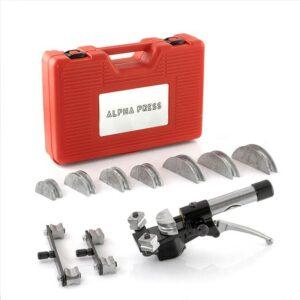
Introduction
In professional trades and industrial environments, efficiency and accuracy are critical. One piece of equipment that consistently delivers both is the Press Tool. Used widely in plumbing, manufacturing, automotive work, and construction, press tools allow professionals to complete tasks faster while maintaining high-quality results. As technology advances, press tools have become smarter, safer, and more versatile, making them an essential investment for modern workflows.
What Is a Press Tool
A press tool is a specialized device designed to apply controlled pressure to materials in order to connect, shape, or assemble components. Unlike traditional methods that depend on heat, welding, or manual fastening, a press tool uses mechanical, hydraulic, or electric force to achieve secure and consistent results.
Press tools are available in various forms, from compact handheld units to large industrial machines. Their flexibility makes them suitable for both on-site work and factory production lines.
How Press Tools Work
At its core, a press tool operates by exerting precise force through specially designed jaws or dies. The applied pressure permanently forms or joins materials without damaging their structure. This controlled process ensures reliable outcomes every time.
In plumbing systems, press tools are commonly used to connect pipes by pressing fittings onto copper, steel, or plastic pipes. The result is a tight, leak-resistant connection created in seconds. In manufacturing, press tools shape metal parts or assemble components with high precision and repeatability.
Types of Press Tools
There are several types of press tools, each designed for specific applications and environments.
Hydraulic press tools generate high force using fluid pressure. These tools are ideal for heavy-duty tasks such as metal forming and industrial assembly.
Electric press tools are popular in plumbing and mechanical installations. They offer portability, speed, and consistent performance, making them suitable for job sites and maintenance work.
Manual press tools rely on physical effort and are best for smaller projects or situations where power sources are unavailable. Although simpler, they still provide reliable results for light-duty tasks.
Choosing the right press tool depends on material type, project scale, and required pressure.
Key Applications of Press Tools
Press tools are used across a wide range of industries due to their efficiency and reliability.
In plumbing and HVAC installations, press tools eliminate the need for soldering or welding, reducing installation time and fire risks. This makes them especially useful in residential buildings, hospitals, and commercial spaces.
In manufacturing, press tools are essential for stamping, bending, and forming metal components. Their ability to deliver consistent results improves product quality and reduces waste.
Automotive and aerospace industries use press tools to assemble critical components with precise tolerances. Even in electronics, small press tools help assemble delicate parts without causing damage.
Advantages of Using a Press Tool
One of the biggest advantages of a press tool is speed.These days, tasks that used to take minutes or hours can be finished in a matter of seconds. This increased efficiency translates directly into cost savings and higher productivity.
Accuracy is another major benefit. Press tools apply uniform pressure, reducing the risk of weak connections or misalignment. This consistency improves durability and long-term performance.
Safety is also enhanced with press tools. Since many applications do not require heat, the risk of burns, fires, or harmful fumes is significantly reduced. This creates a safer working environment for professionals.
Press Tool vs Traditional Methods
Traditional joining methods such as welding, soldering, or bolting often require extensive preparation, specialized skills, and safety precautions. Press tools offer a faster and cleaner alternative.
For example, soldering pipes requires open flames and cooling time. A press tool creates a secure joint instantly, without heat or waiting. This makes it ideal for tight spaces and occupied buildings.
In manufacturing, manual assembly methods can lead to inconsistencies. Press tools ensure repeatable results, improving quality control and reducing rework.
Choosing the Right Press Tool
Selecting the right press tool requires careful consideration. Material compatibility is crucial, as different tools are designed for metal, plastic, or composite materials. The size and thickness of the material also influence the required force.
Power source is another key factor. Electric and hydraulic press tools offer higher force and efficiency, while manual tools provide simplicity and portability.
It is also important to consider compatibility with fittings and attachments. A versatile press tool should support multiple jaws or dies to handle various tasks.
Maintenance and Care
Proper maintenance ensures long-term performance and safety. Regular inspection of jaws, seals, and moving parts helps prevent wear-related failures. Electric press tools should be checked for battery health, while hydraulic tools require fluid level monitoring.
Following manufacturer guidelines and using the tool within recommended limits ensures consistent results and extends tool lifespan.
The Future of Press Tools
Modern press tools continue to evolve with technological advancements. Features such as digital pressure monitoring, automatic shut-off, and smart diagnostics are becoming increasingly common.These developments lower operator error and increase accuracy.
As industries demand faster, safer, and more sustainable solutions, press tools will remain a key component of professional toolkits.
Conclusion
A Press Tool is more than just a time-saving device—it is a symbol of modern efficiency and precision. Whether used in plumbing, manufacturing, or mechanical assembly, press tools deliver reliable results while enhancing safety and productivity.
By choosing the right press tool and maintaining it properly, professionals can improve workflow efficiency, reduce costs, and achieve consistently high-quality outcomes. As technology continues to advance, the press tool will remain an indispensable asset in today’s industrial and professional environments.
See more our website:visit here
 Spanish
 Thai
Thai
 English
 French
 Portuguese
 Deutsch
 Turkish
 Dutch
Dutch
 Italiano
 Russian