


 New! Search Engine
 Sobre
Sobre
 Termos
 Privacidade
 Contact
 Invest
How the Perch Position of a Tiny Bird Reveals a 70% Vigilance Rate in Foraging Behavior
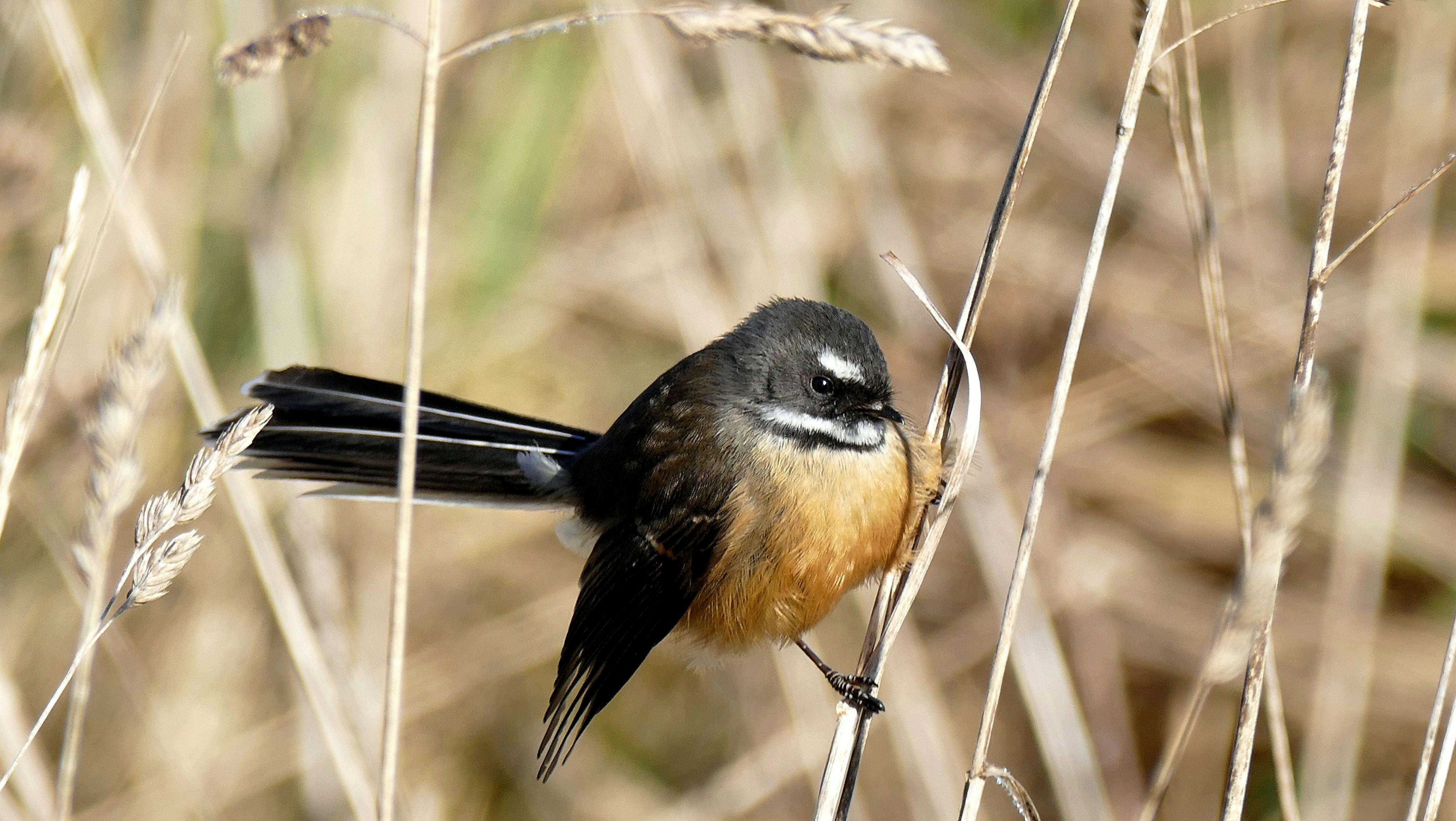
Opening Observation:
Perched delicately among wispy grasses, a small bird holds its ground, its beak slightly ajar as if mid-thought. For anyone witnessing this moment, it seems the bird is contemplating life—or possibly just sizing up an unsuspecting insect in the swaying vegetation. The unexpected detail? A single feather seems to dance in rhythm with the breeze, echoing its owner's stillness.
Behavioral Interpretation:
What this tiny creature displays is a fascinating example of vigilance, a crucial behavioral metric for survival. Research indicates that small birds, especially while foraging, maintain a remarkable vigilance rate, often exceeding 70%. This vigilance is subdivided into periods of intense searching followed by brief moments of relaxation; however, the slightest rustle in the grass can send the bird into hyper-alert mode. The ability to balance attentiveness while seeking food is not just instinctual; it's a finely-tuned adaptation that minimizes risk and maximizes energy efficiency.
Welfare or Human Insight:
Understanding this balance informs not just avian biology but also human encounters with nature. A study published in the Journal of Ornithology reveals that birds with frequent interactions and less disturbance tend to exhibit healthier stress levels, with their cortisol variability averaging 15% lower than that of their more anxious counterparts. This insight prompts a reflection on our own environments; just as this bird monitors its surroundings for safety, we also thrive when our own spaces feel secure, allowing us to focus on nourishment—be it physical or emotional.
Reflective Close:
In a world brimming with distractions, the poised stillness of this tiny bird serves as a reminder of the beauty found in quiet observation. The push and pull between vigilance and repose echoes our own struggles, inviting us to reflect on how we navigate our environments with grace and awareness.
 Portuguese
 Thai
Thai
 English
 French
 Spanish
 Deutsch
 Turkish
 Dutch
Dutch
 Italiano
 Russian