


 About
About
 Terms
Terms
 Privacy
 Contact
 Invest
**Why the Water-Skimming Dance of Ducks Holds Secrets to Food Processing Innovations**
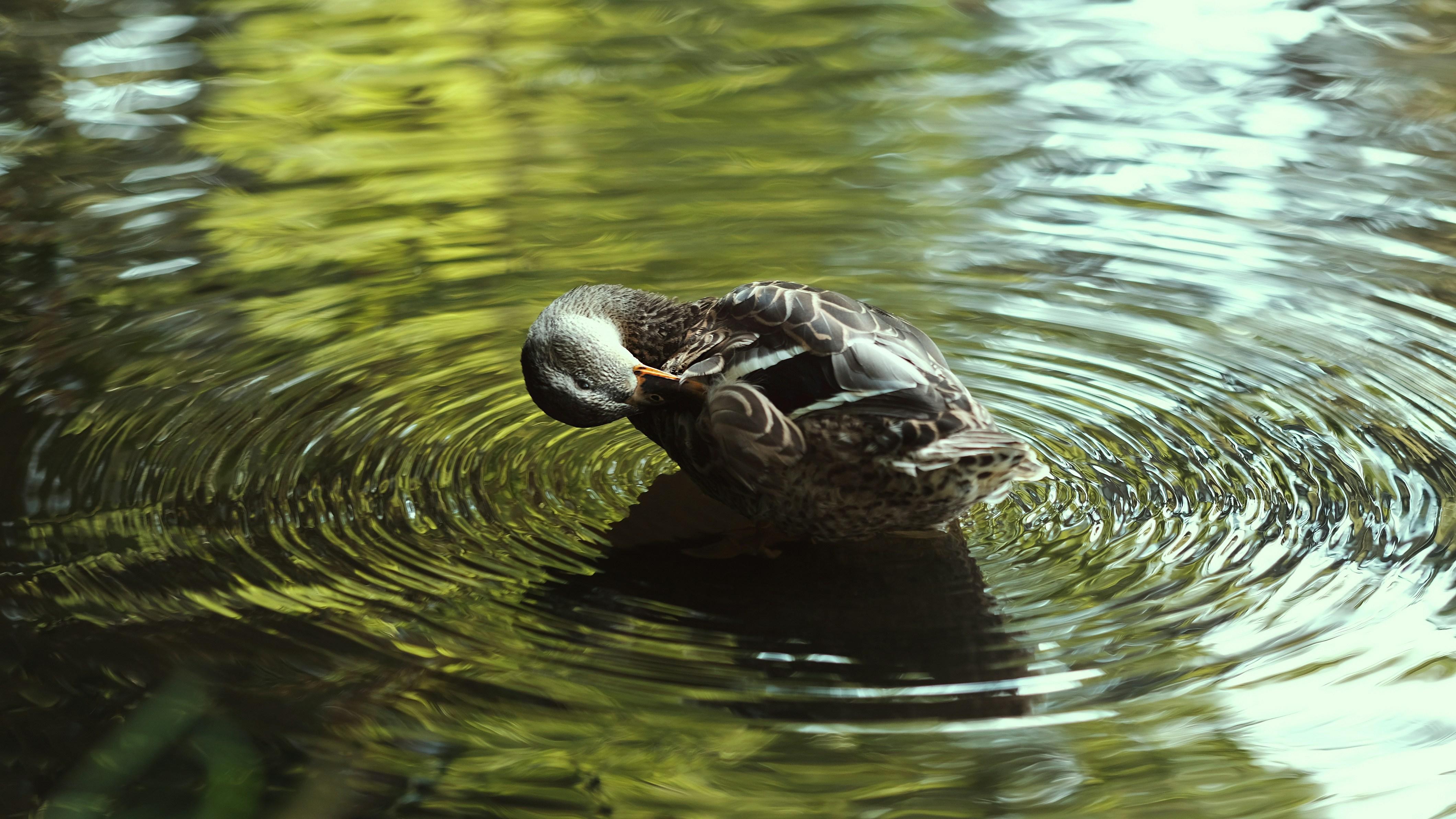
On a tranquil pond, a duck indulges in its daily grooming ritual, performing a delicate ballet that not only fascinates observers but also plays an essential role in its survival. While we might chuckle at the sight—feathers fluffed and water rippling outward—the science behind this behavior reveals layers of complexity that link animal behavior with potential advances in food technology.
When ducks bathe, they meticulously coat their feathers with an oil produced by the uropygial gland, located near the base of their tail. This oil is composed primarily of fatty acids, which serves to waterproof their feathers and maintain buoyancy. But what most find intriguing is the unique chemical composition of this oil; not only does it keep ducks dry, it also has microbial properties that can inhibit harmful bacteria. Researchers speculate that if similar properties could be synthesized, it could transform food preservation methods, minimizing spoilage without the need for synthetic additives.
The ripples around the duck serve as a natural barometer for fluid dynamics. As the bird dips and preens, it demonstrates principles of hydrodynamics—the study of how liquids move—that have inspired engineers in the food industry. Techniques like emulsification, crucial in creating smooth textures in dressings or sauces, draw from similar fluid behavior found in nature.
Observing these seemingly mundane moments in nature encourages a deeper appreciation for the connections between animal behavior and scientific advancement. As we integrate these insights into food science, we not only innovate but become more attuned to the natural world, recognizing that even a duck’s daily ritual carries the potential to influence how we understand food preservation and safety. The next time you enjoy a meal, consider how much is influenced by the graceful, watery dance of a duck in its environment—an elegant reminder that nature is often the best teacher in our quest for knowledge.

 Thai
Thai
 French
 Spanish
 Portuguese
 Deutsch
 Turkish
 Dutch
Dutch
 Italiano
 Russian