


 About
About
 Términos
 Privacidad
 Contact
 Invest
The Art of Survival in a Snowy Landscape
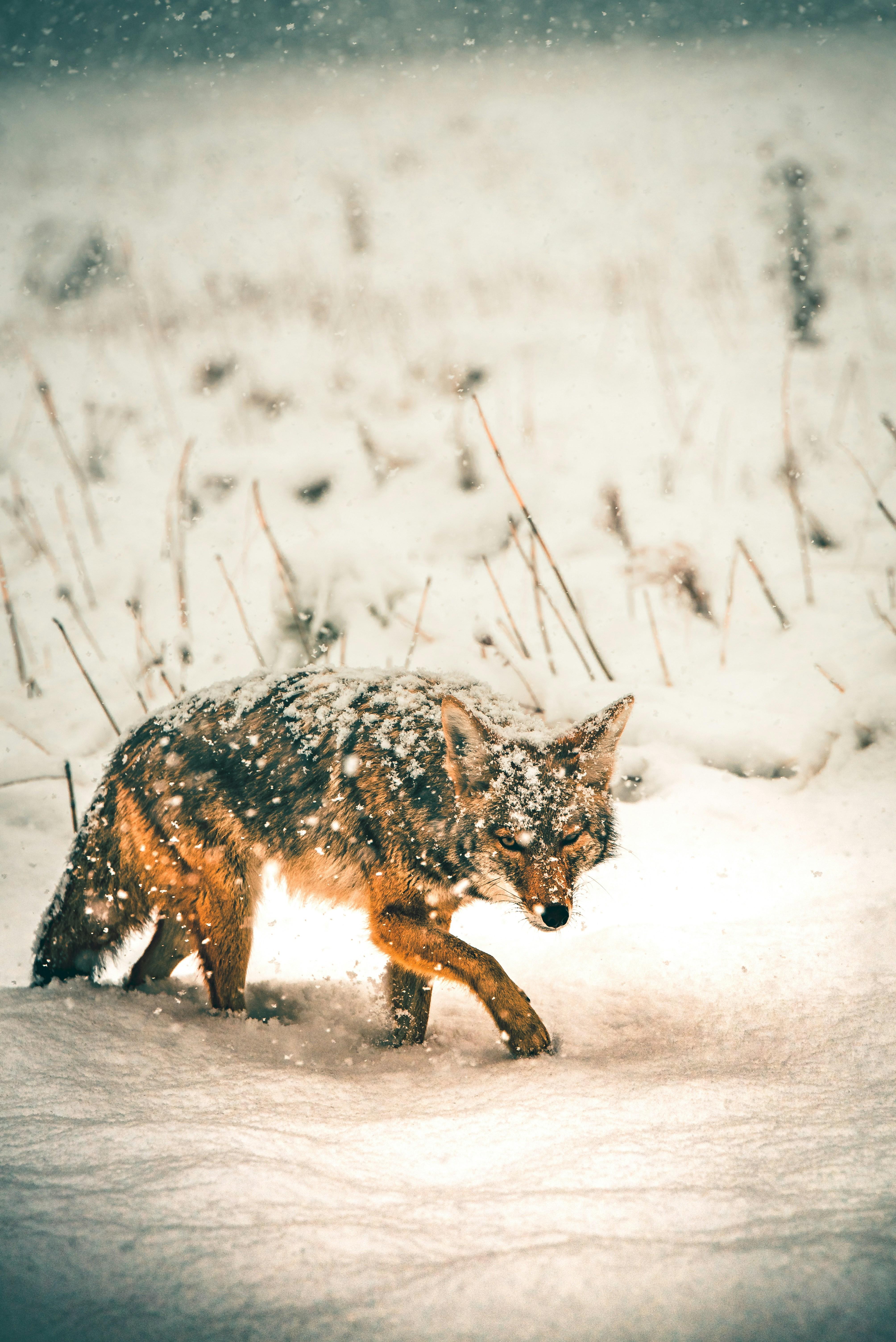
In the depth of winter, a coyote navigates a snowy world, each paw step disappearing beneath the drifts. This adaptable canine is not just surviving; it embodies the very essence of resilience and ingenuity that nature demands. With a coat perfectly suited to the cold, its fur acts as insulation against frigid temperatures, but it’s the coyote’s behavior that reveals the true brilliance of these creatures.
Coyotes are opportunistic hunters, using their keen senses to detect hidden prey beneath the blanket of snow. The remarkable hearing capabilities of these animals allow them to detect the slightest movement of rodents or birds, soundlessly skimming the surface, giving the impression of a poised ballerina atop a frosty stage. It’s engaging to observe how a hungry coyote pauses, ears perked, as it calculates its next move, showcasing instinctual intelligence that has evolved over millennia.
In winter, food may be scarce, but the coyote’s adaptability shines. Their solitary endeavors are often punctuated with playful interactions, suggesting a social structure that not only fosters survival but adds a layer of complexity to their behavior. These creatures thrive in the most challenging of environments, learning from their surroundings and each other as they traverse territory that could easily dishearten less tenacious species.
Interestingly, studies show that coyotes have expanded their range significantly, adapting to urban environments with a surprising success rate. In the face of adversity, their numbers have not only held steady but flourished, adapting strategies that some other species have failed to replicate. As we observe this resilient predator in its snowy habitat, we’re reminded that survival is not merely a matter of endurance, but of adapting with finesse and cleverness in the delicate balance of nature.
 Spanish
 Thai
Thai
 English
 French
 Portuguese
 Deutsch
 Turkish
 Dutch
Dutch
 Italiano
 Russian