


 About
About
 Voorwaarden
 Privacy
 Contact
 Invest
The Subtle Gaze: Understanding Animal Emotions Through Canine Expressions
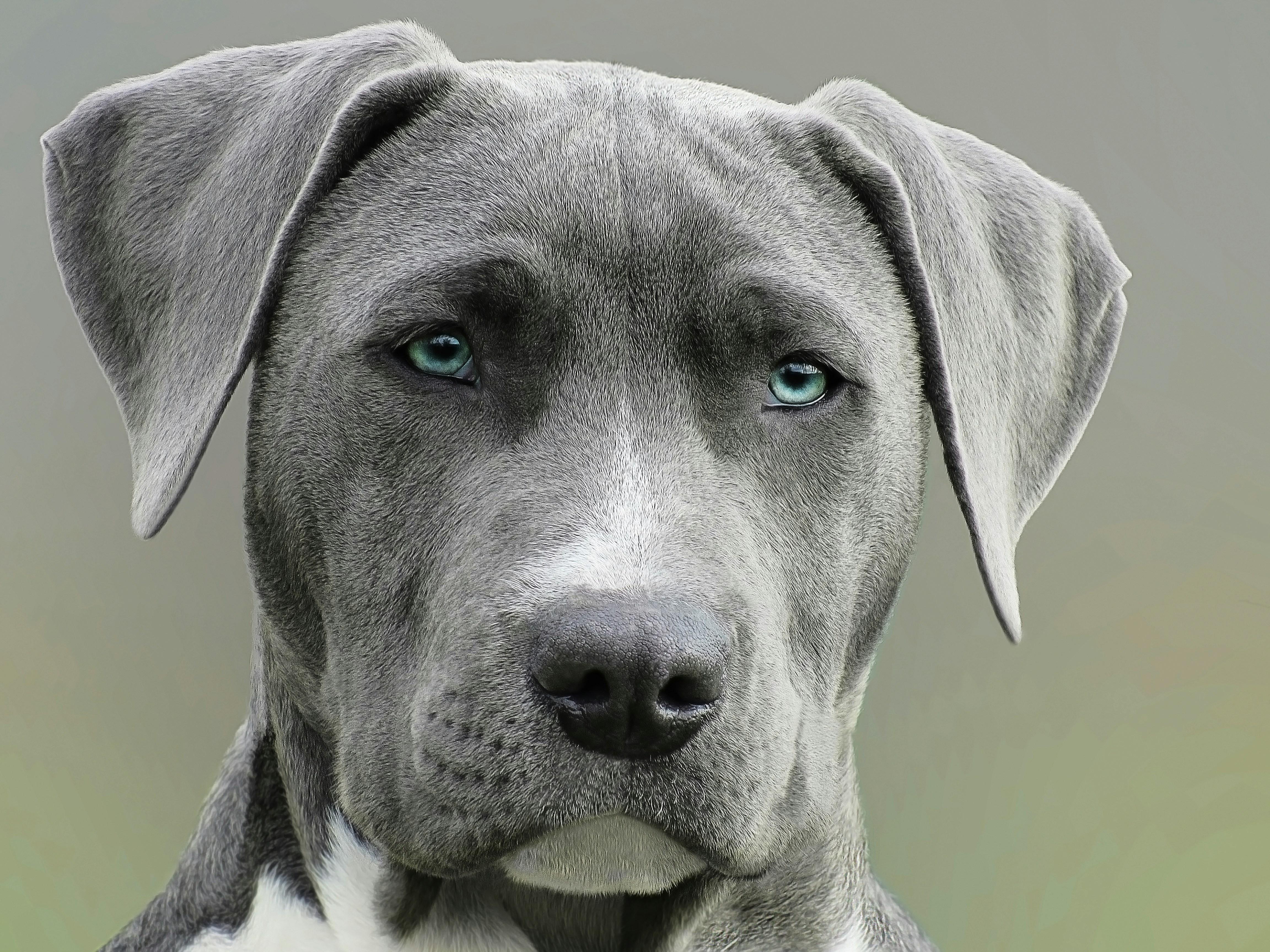
In the realm of biological behavior, the emotional palette of animals, particularly dogs, often astonishes us. The striking image of a canine with a serene yet penetrating gaze invites a deeper look at how these creatures communicate their feelings. Dogs have evolved alongside humans for thousands of years, leading to a profound connection that transcends mere companionship. Their facial expressions are not just cute or endearing; they are intricate signals of their internal states.
What makes the canine face remarkable is the range of subtlety it can express. Research suggests that dogs can differentiate between human emotions by interpreting facial expressions, allowing them to respond with empathy. A dog’s ability to mimic human emotions showcases an evolutionary adaptation for survival and social bonding. For instance, when a dog tilts its head or narrows its eyes, it may be exhibiting curiosity or concern—behaviors that not only help it navigate its world but also maintain a connection with its human counterparts.
Interestingly, the emotional responses of dogs are linked to oxytocin, often called the “love hormone.” This hormone surges when dogs interact positively with humans, enhancing trust and affection. Thus, the depth of a dog's gaze can reflect their emotional state, often mirroring the feelings of those around them.
In observing our four-legged friends, we are reminded of the intricate dance of communication that transcends species. Statistically, studies indicate that nearly 65% of dog owners believe that their pets can read human emotions, reflecting our shared journey of understanding. This multifaceted relationship between species contributes to the larger narrative of empathy in the animal kingdom, showcasing the delicate interplay between instincts and emotions.
 Dutch
Dutch
 Thai
Thai
 English
 French
 Spanish
 Portuguese
 Deutsch
 Turkish
 Italiano
 Russian