


 Über
Über
 Bedingungen
 Datenschutz
 Contact
 Invest
In the Crown of Canines
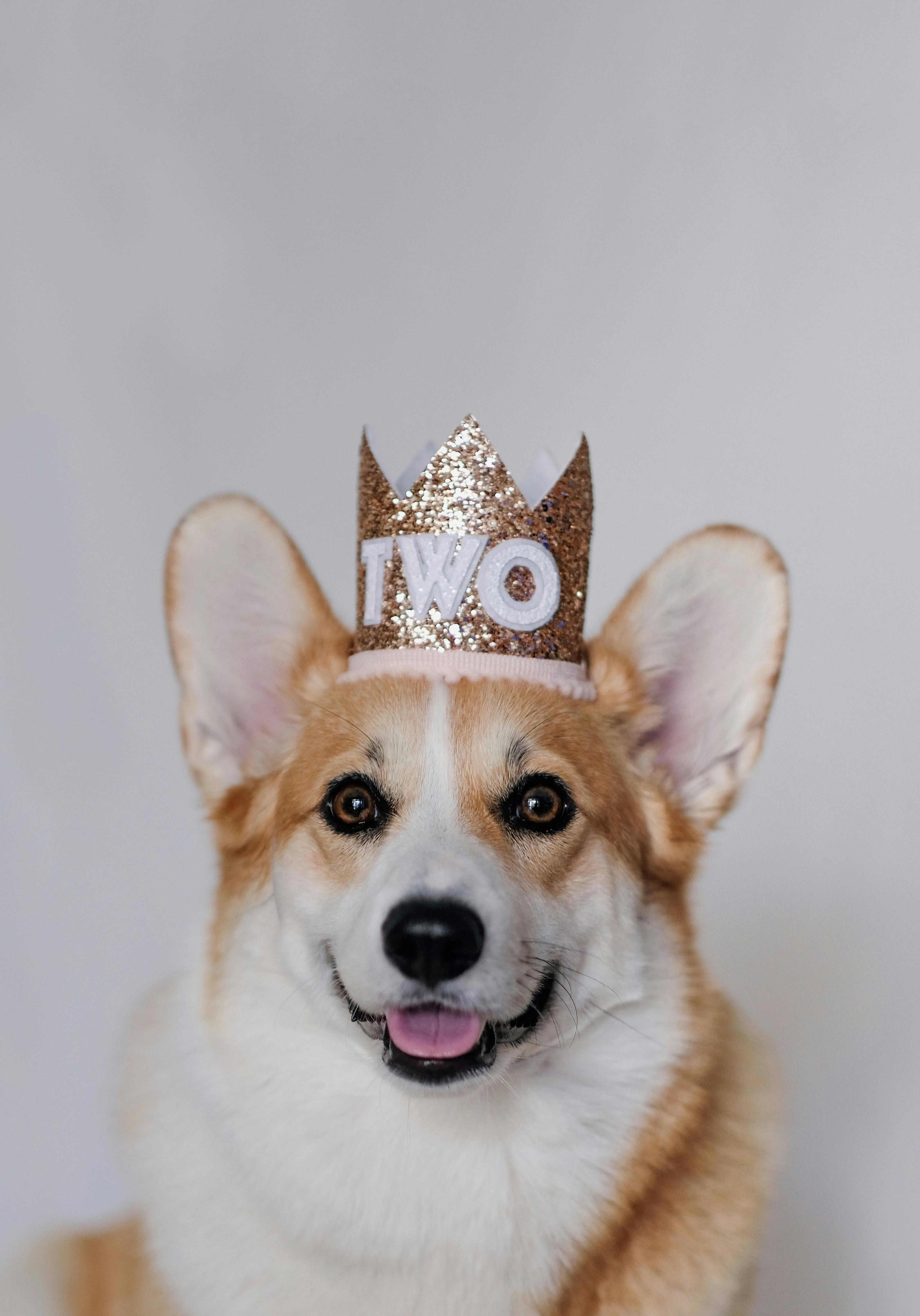
On a seemingly ordinary day, a corgi dons a sparkling crown, signaling a milestone that transcends mere celebration. This playful creature, distinguished by its signature stance and expressive eyes, allows us a glimpse into the complexities of animal behavior and communication. The corgi, an embodiment of joy and companionship, serves as a reminder of the emotional depth that furred beings can experience.
The playful attitude shown here reveals the unique ability of dogs to adapt their behaviors in social settings. This adaptability isn't just amusing; it's a fascinating survival mechanism. In the wild, social signaling—expressions of playfulness through posture and facial expressions—ensures cohesion within packs. Dogs have evolved alongside humans, learning to tailor their behavior to forge deep bonds with us, leading to the rich, intimate relationships we see today.
Notably, corgis are known for their intelligence and herding instincts, showcasing an intricate blend of play and purpose. Their playful demeanor often masks a keen strategic mind, evident when they engage in games or subtly navigate their environment. Each wag of the tail and tilt of the head not only conveys happiness but reflects a complex understanding of social dynamics.
As we observe this joyous little being celebrating its second year, it invites us to ponder the statistical insight that dogs can understand up to 165 words on average, with some breeds exceeding even that. This remarkable cognitive capacity unveils a world of understanding and connection, underscoring why our bond with canines is more than companionship; it is a shared language of love and joy, rooted in the heart of biological behavior.
 Deutsch
 Thai
Thai
 English
 French
 Spanish
 Portuguese
 Turkish
 Dutch
Dutch
 Italiano
 Russian