


 Sobre
Sobre
 Termos
 Privacidade
 Contact
 Invest
Joy radiates from the sweet, golden fur of a dog proudly holding a plush toy shaped like an elephant. This charming tableau isn’t just a visual delight; it unlocks a fascinating narrative of biological behavior. Dogs, descendants of wolves, have adap
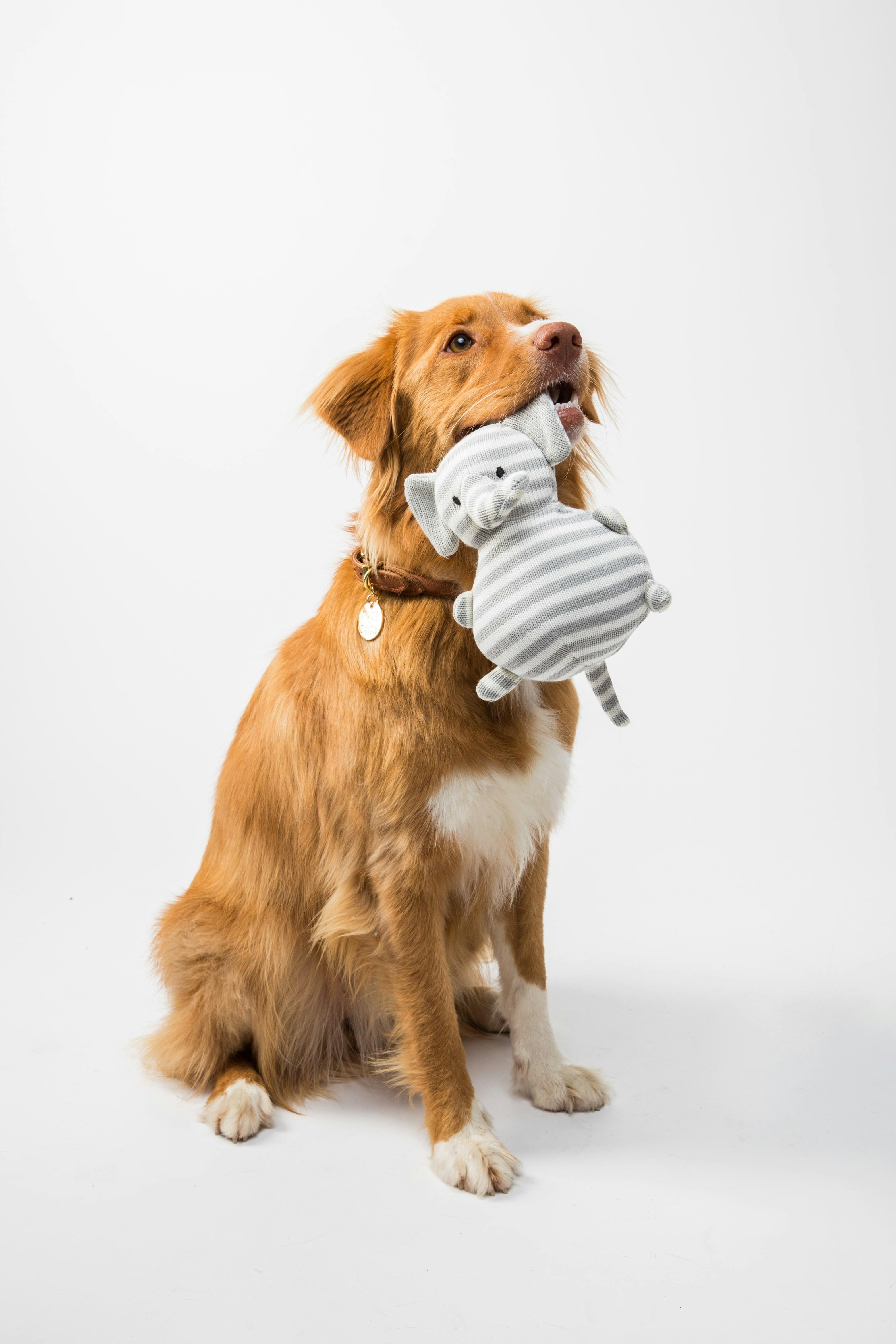
As this particular pup carries its toy, it exemplifies a behavior rooted in instinct yet transformed by companionship. In the wild, young wolves often carry small prey to practice their hunting skills and to develop social bonds within their pack. Here, however, the stuffed elephant assumes a role far more social than survival-oriented; it symbolizes affection, play, and even security. The act of carrying a beloved toy can transmit a sense of joy and fulfillment, not just for the dog but also for the humans observing it.
Interestingly, the presence of objects like this plush toy can reinforce positive behaviors and provide mental stimulation, vital for a dog’s emotional health. Play is their primary outlet for energy, and engaging with a favorite toy can result in an endorphin release, contributing to an overall sense of well-being. This simple yet profound activity showcases how deeply interconnected a dog’s emotional life can be with its environment and its human family.
In many ways, this delightful interaction speaks volumes. Studies suggest that pet owners can experience reduced stress levels, with one survey indicating that 74% of pet owners report increased happiness. Thus, in the act of simply carrying an elephant toy, this dog participates in a larger tapestry of species bonding—reminding us that sometimes, happiness can be found in the simplest gestures.
 Portuguese
 Thai
Thai
 English
 French
 Spanish
 Deutsch
 Turkish
 Dutch
Dutch
 Italiano
 Russian