


 Über
Über
 Bedingungen
 Datenschutz
 Contact
 Invest
The Art of Indulgence: Sweet Temptations and Biological Behavior
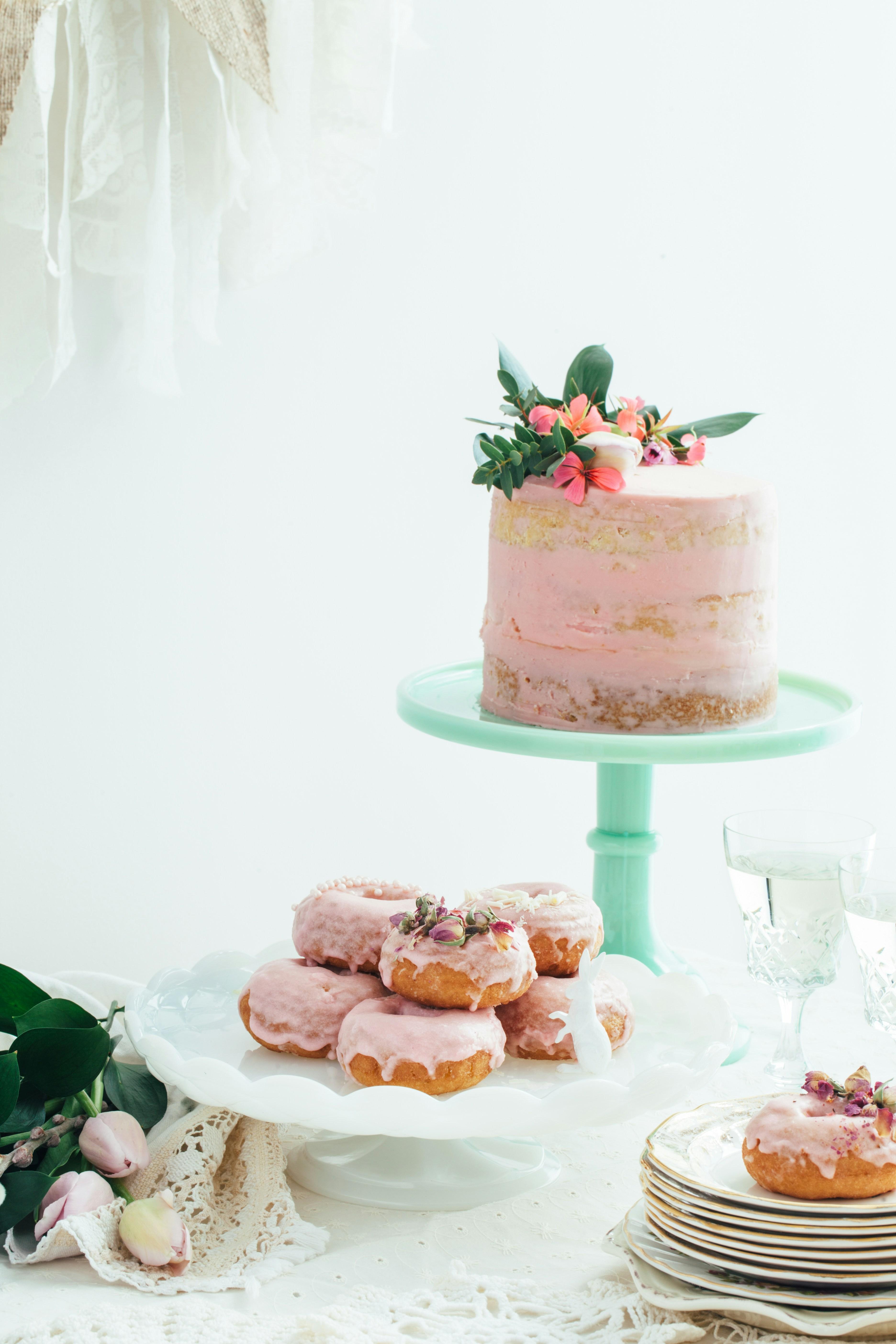
In the world of desserts, pastries often hold more than just sugary confections; they reveal a fascinating interplay of biological behavior and social dynamics. Consider a beautifully decorated cake and its mesmerizing array of donuts, each a crescendo of color and sweetness. The allure of these sweet treats taps into fundamental instincts rooted in our biology. Our ancestors were hardwired to seek out high-calorie foods, which were scarce in the wild, creating an evolutionary predisposition toward the consumption of rich, energy-dense substances.
It’s no coincidence that the sight of a cake frosted with vibrant pink icing garnished with delicate flowers can trigger a rush of dopamine in our brains. This neurochemistry sets off a delightful inner dialogue: the promise of pleasure versus the whisper of restraint, reminiscent of our primal forager selves weighing the benefits of indulgence against survival needs. The delicate balance of being drawn towards beautiful treats plays out in our social interactions as well. Sharing slices of cake or passes of donuts fosters community and creates bonds—a behavior steeped in both pleasure and evolutionary survival.
Even the intricate floral decorations and pastel hues invite curiosity, evoking our inherent appreciation for beauty—a trait that likely evolved as a signal of health and abundance. Such aesthetic elements can be compelling enough to transcend simple cravings, weaving threads of desire and connection into our shared experiences.
Interestingly, research shows that when we share or gift food, it satisfies not just hunger but also nurtures our need for social belonging. In social settings, dessert can serve as a powerful tool for signaling generosity and fostering goodwill. A staggering 75% of people report that shared meals can deepen bonds, illustrating beautifully how food is not just nourishment; it’s a social tapestry. This interconnection between our biology and the enjoyment of sweet treats serves as a delightful reminder of how deeply rooted our behaviors are in both nature and nurture.
 Deutsch
 Thai
Thai
 English
 French
 Spanish
 Portuguese
 Turkish
 Dutch
Dutch
 Italiano
 Russian