


 About
About
 Termini e Condizioni
 Privacy
 Contact
 Invest
In the lush embrace of nature, a small figure stirs curiosity: a child nestled among interwoven ferns and manicured leaves. This scene, seemingly simple, offers profound insights into the innate biological behaviors that shape our understanding of explorat
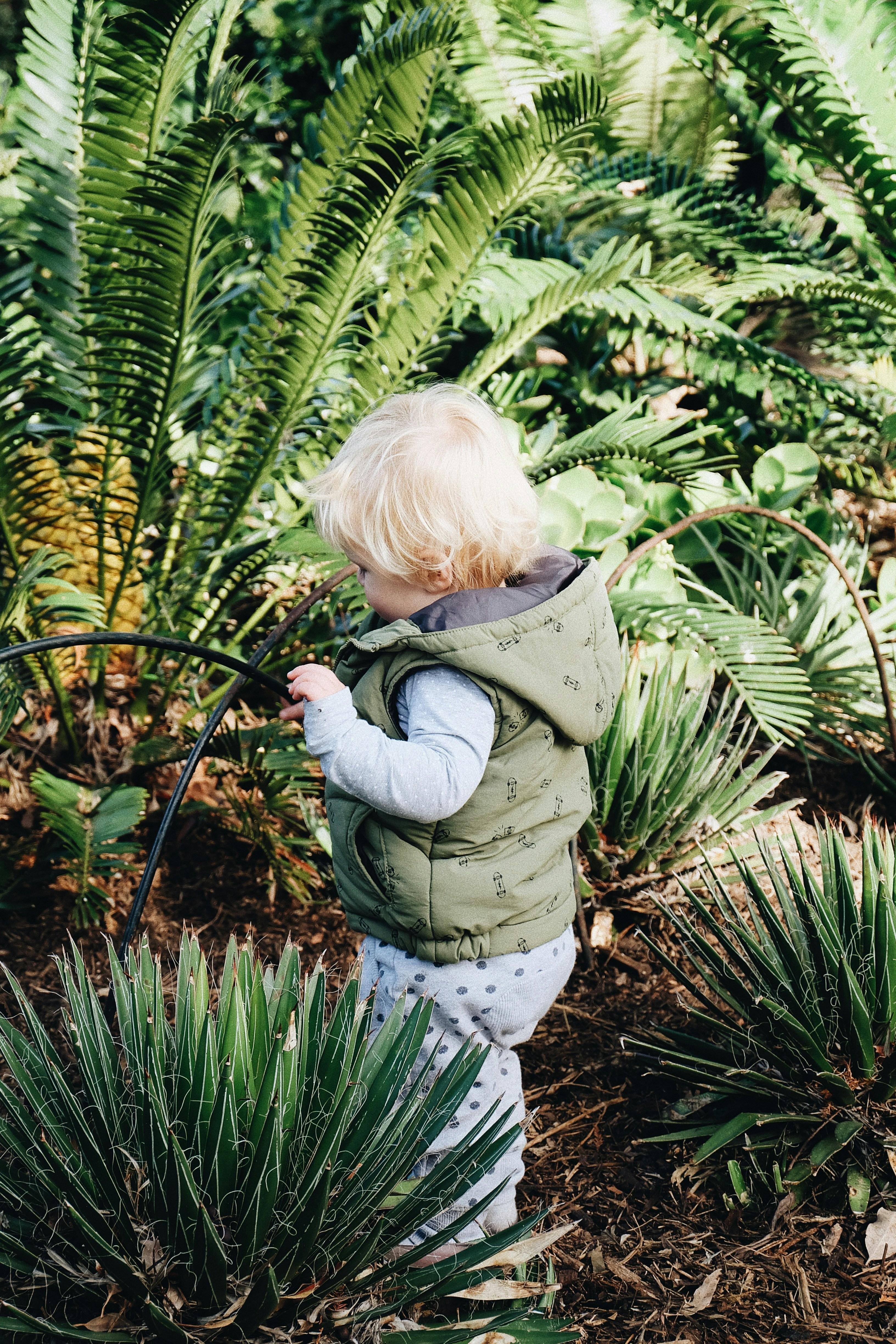
Children possess an extraordinary drive to engage with their surroundings, often described as 'exploratory behavior.' This instinctual impulse not only entertains but serves a vital evolutionary purpose. In their formative years, children engage in active learning, developing motor skills, cognitive abilities, and emotional resilience. Every brush against the foliage and tentative bend toward a flowering plant is a mini-experiment in their burgeoning world of cause and effect. Their behaviors reflect a deeper evolutionary narrative, one that emphasizes adaptability and survival.
Interestingly, such outdoor explorations are complemented by an innate attraction to biodiversity. Research suggests that exposure to varied natural settings can positively affect a child’s health and well-being, fostering both physical and psychological development. In fact, children who play in diverse green spaces show increased social interaction and enhanced problem-solving skills.
As this young explorer twists a mysterious object in hand, they embody an essential truth: play is not just frivolity but a crucial developmental tool. With over 80% of a child’s brain development occurring in the first three years, each interaction—no matter how small or fleeting—forms a transactional bond with their environment. The world is a classroom, and in moments like these, lessons unfurl like the leaves around them, waiting to be observed, understood, and cherished.
 Italiano
 Thai
Thai
 English
 French
 Spanish
 Portuguese
 Deutsch
 Turkish
 Dutch
Dutch
 Russian