


 About
About
 Voorwaarden
 Privacy
 Contact
 Invest
In the silent corners of our homes, the peculiar presence of the Sphynx cat unfolds a narrative both intriguing and whimsical. Stripped of fur, this breed’s exposed skin not only draws attention but also serves as a canvas reflecting a unique evoluti
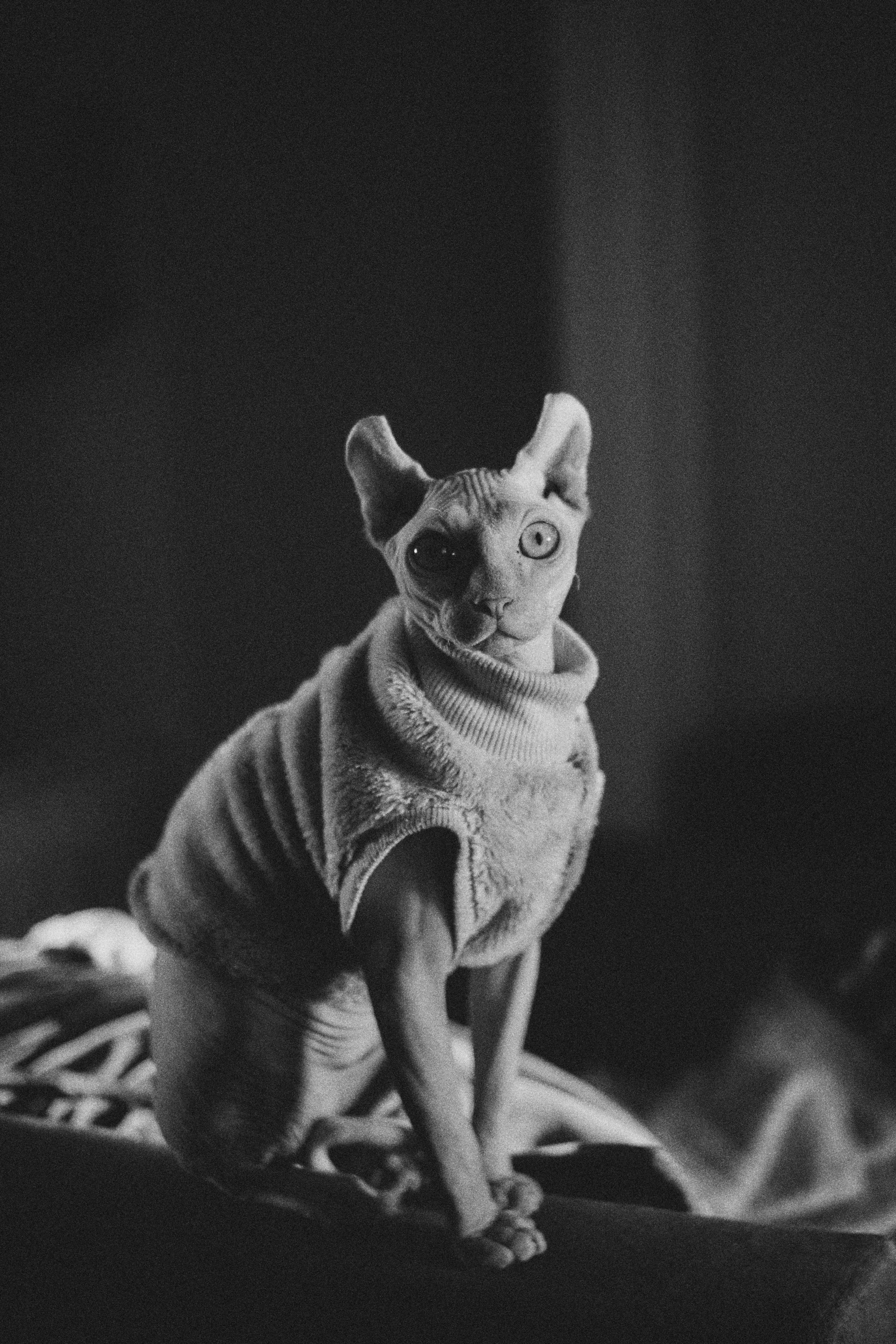
What sets these cats apart is not merely their aesthetics, but their behavioral patterns, which reveal rich layers of social interaction. Unlike typical solitary felines, Sphynx cats often display affectionate and playful tendencies, seeking companionship and attention rather than retreating into solitude. Their playful antics, marked by an almost dog-like exuberance, offer a glimpse into the complexities of feline social behavior. This departure from the traditional aloofness of cats subverts common expectations, allowing us to see a species capable of forming deep bonds with humans.
If one would pause to observe their agile movements and distinct expressions, it becomes evident that the Sphynx embodies a blend of vulnerability and resilience. The lack of fur, far from a disadvantage, prompts these cats to seek warmth and comfort in unique ways—often curling up under blankets or snuggling close to their human companions. Behavioral scientists suggest this need for warmth is directly linked to their higher metabolism, making them more active and social.
This breed’s popularity has surged, with nearly 15,000 registered in the United States alone, captivating the hearts of many. As we contemplate the charm and curiosity of the Sphynx cat, we uncover a delightful reminder of nature's boundless creativity, reflecting the intricate interplay of genetics and environment within the realm of animal behavior.
 Dutch
Dutch
 Thai
Thai
 English
 French
 Spanish
 Portuguese
 Deutsch
 Turkish
 Italiano
 Russian